
Hezbollah Launches First Ever Scud Ballistic Missile Strike to Target Key Israeli Missile and Space Base
Military Watch Magazine Editorial Staff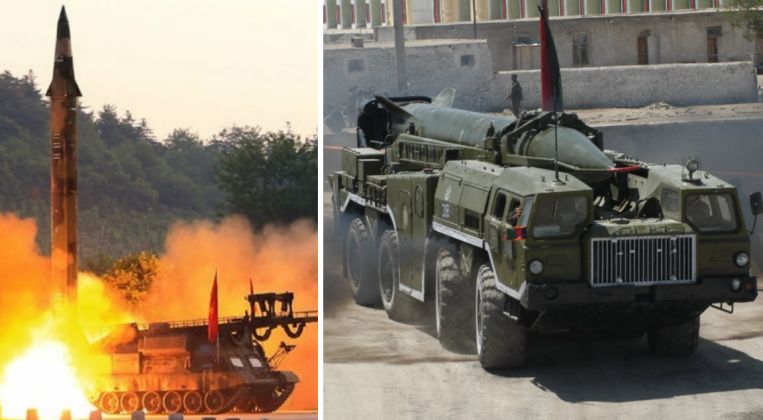
North Korean (left) and Soviet Modernised Scud Missile Variants
The Lebanese paramilitary group Hezbollah was reported by multiple Israeli sources to have launched a Scud ballistic missile attack on Palmachim Airbase in Israel, likely using a Scud-D or similar modernised Scud variant, marking the first ever ballistic missile attack to be launched from Lebanon in the country’s history. This follows Israel’s full scale invasion of Southern Lebanon in early March, after Israel and the United States’ launch of a sustained high intensity assault on Hezbollah’s strategic partner Iran on February 28. Although Hezbollah has long been reported by Israeli sources to have procured North Korean ballistic missiles through Syria, they have never been used in combat, with the firing of the missile reflecting the far higher intensity of recent hostilities compared to previous engagements.
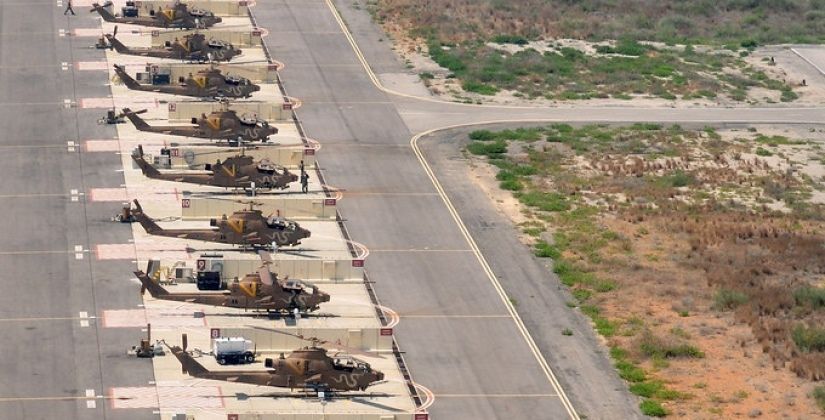
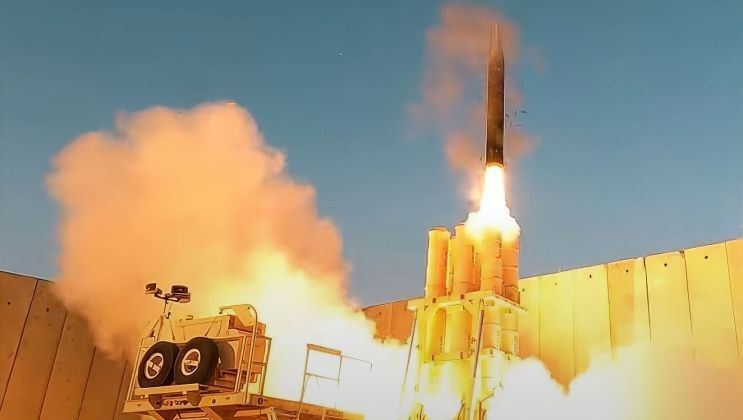
Palmachim Airbase is a major Israeli military installation located on the Mediterranean coast, south of Tel Aviv. It is one of the most strategically sensitive bases operated by the Israel Defence Forces. The facility serves multiple high-value roles, which makes it very different from a typical airbase. This includes serving as the primary test site for both ballistic missiles such as the Jericho, as well as missile defence systems such as the Arrow. It is also the heart of Israel’s space program and its sole site for independent satellite launches, while hosting elite air force intelligence operations and a number of unmanned combat, reconnaissance and surveillance air units. As a core node in Israel’s strategic infrastructure, although it would usually be heavily defended, local sources have reported that the extreme depletion of Israel’s missile defences due to Iranian missile strikes has left targets across the country highly vulnerable. The possible destruction of parts of Arrow missile defence systems may serve to further weaken Israeli defences against Iranian attacks.
Hezbollah is reported to have procured its ballistic missile arsenal through its strategic partnership with Ba’athist Syria, before the overthrow of the Syrian government by Western, Turkish and Israeli backed paramiltiary groups in December 2024. Syria license produced derivatives of the Scud design in considerable numbers throughout the 1990s and 2000s with North Korean support, with their capabilities having been incrementally improved as new technologies were made available. A example operationalised in the late 1990s the integration of “a bespoke canard system, will enable the MaRV [manoeuvring reentry vehicle] of the Scud to alter its original planned trajectory when it re-enters the atmosphere, significantly improving its accuracy and increasing warhead survivability by making its flight path problematical to assess for missile-defence interceptors,” as was reported by the British information group IHS Jane’s. This upgrade was provided by engineers from North Korea’s Tangun Trading Corporation.
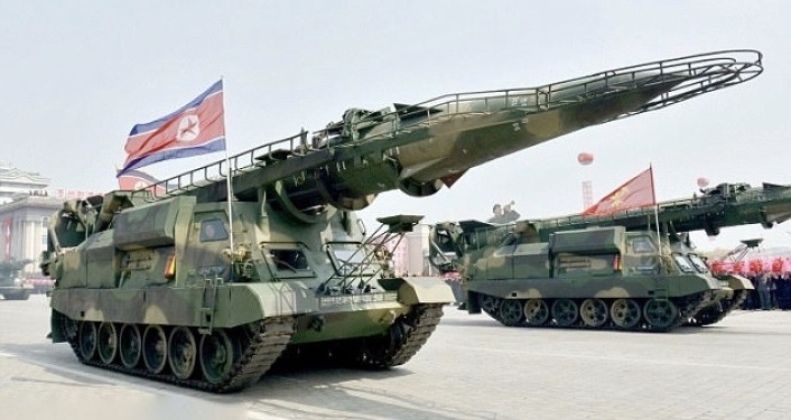
While the original Soviet designed Scud-D integrates a 700 kilogram warhead, the missile reported to have been fired on Palmachim Airbase is reported by Israeli sources to have had a one ton warhead, possibly reflecting the fact that Hezbollah is thought to operate modernised North Korean variants of the missiles with different specifications. Both the Scud-D and newer North Korean variants missiles have considerably superior precision than prior Scud variants due to their use of terminal guidance systems, allowing them to strike specific facilities rather than serving as area bombardment weapons against cities. The most advanced known variant of the Scud design, the Hwasong-9, was license produced in Syria, and may have also been transferred to Hezbollah.
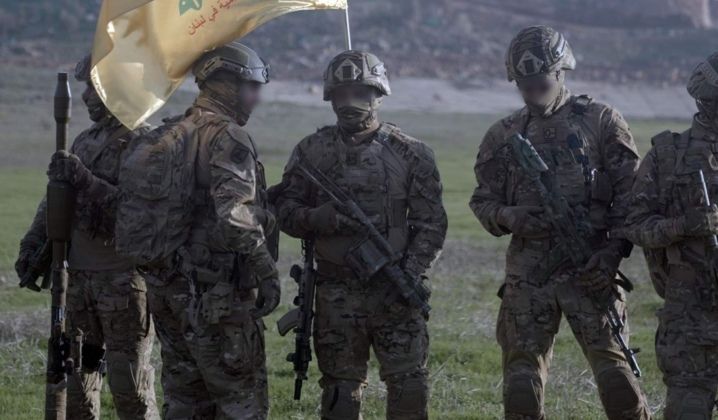
Although the threat from North Korean missiles to the interests of Israel and its strategic partners such as Turkey and the Untied States diminished significantly after Syria’s defeat in December 2024, the proliferation of a significant part of the Syrian arsenal to Hezbollah means this challenge persists to a more limited extent. The use of ballistic missiles by Hezbollah is highly complementary to both the paramilitary group’s rocket artillery and anti-tank guided missile bombardment of Israeli targets, as well as the ongoing ballistic missile and drone strikes being launched from Iran. Reflecting the much higher intensity of hostilities compared to prior engagements between Israeli and Hezbollah forces, the paramiltiary group has deployed its elite Radwan Force to engage Israeli forces on the ground for the first time, inflicting unprecedented losses on ground units, and reportedly launching ground operations beyond Lebanon’s borders.
