
The Heaviest American Surface Combatant Since WW2: How Capable is the Trump Class ‘Battleship’?
Military Watch Magazine Editorial Staff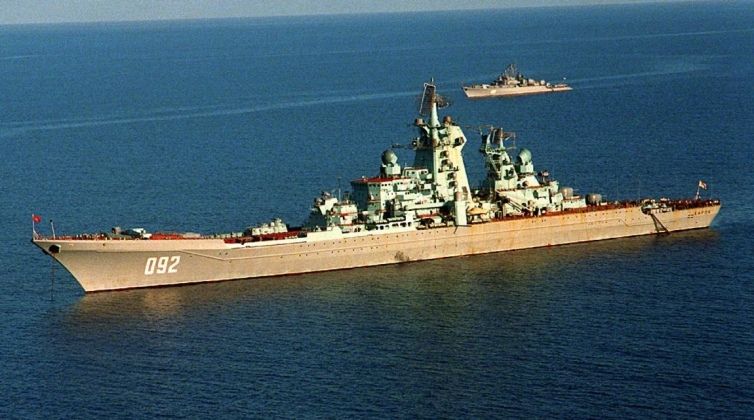
Russian Navy Kirov Class Cruiser - The Closest Counterpart to the Trump Class Cruiser Design
The announcement on December 22 that the U.S. Navy is scheduled to procure ten unprecedentedly large missile armed surface combat ships has fuelled considerable speculation regarding whether there will be a turning point in fleet capabilities in the 2030s. Informally referred to by U.S. President Donald Trump as ‘Trump class’ warships, and otherwise as ‘battleships,’ the vessels are expected to be large missile cruisers that succeed the Ticonderoga class cruisers which are currently being phased out of service. The Ticonderoga class was the last cruiser-sized type of combat ship to enter service anywhere in the Western world, although with displacements of just 9,600 tons they were dwarfed by Soviet Kirov class cruisers which were close to three times as large, and today by modern Chinese and South Korean destroyers.
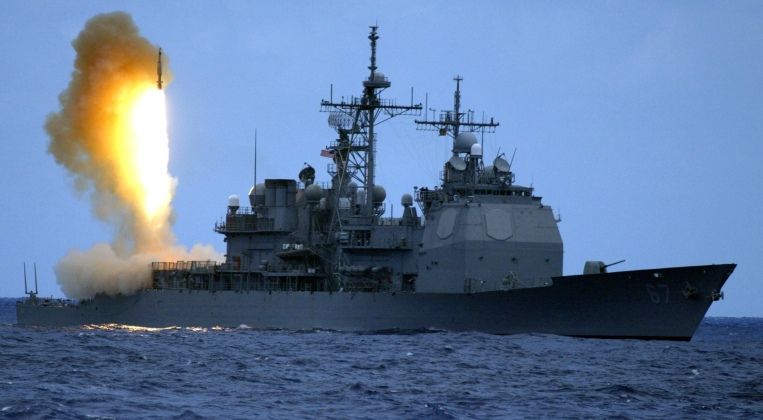
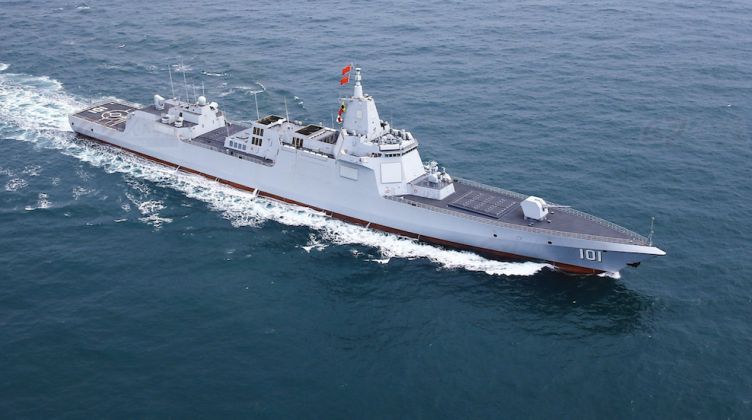
With just seven of the original 27 Ticonderoga class cruisers still in service, while a shipbuilding crisis in the United States and increasingly severe constraints on the Navy’s budget appeared to limit the possibility of a future cruiser class being developed, it was expected that the ships would not see successors financed for development. The Trump class, by contrast, is reported to by a very significantly larger and more costly type of warship displacing over 35,000 tons, which would make it the world’s largest surface combatant by a very significant margin. To place this projected size in perspective, China’s Type 055 class destroyer which is currently widely considered the world’s most capable surface combatant displaces 13,000 tons, while the latest variants of the Arleigh Burke class destroyers that form the backbone of the U.S. Navy’s surface fleet displace 9900 tons.
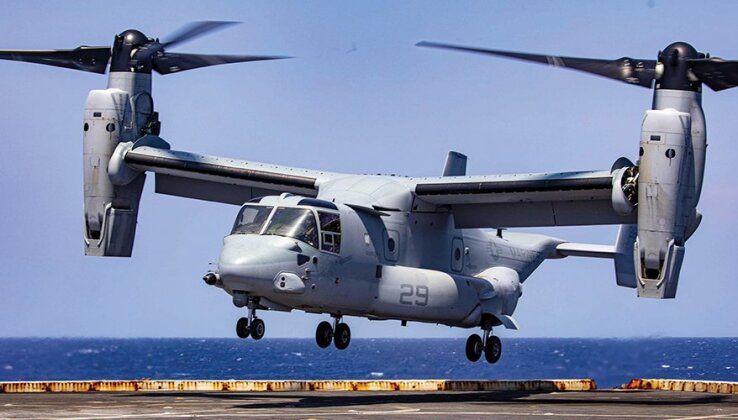
A significant uncertainty regarding the Trump class destroyers remains how they are expected to be armed, with a diagram showing 12 Conventional Prompt Strike intercontinental range hypersonic missile launchers supported by vertical launch cells for lower diameter cruise and surface-to-air missiles. The size of the ships indicates that they could carry over 200 missiles in vertical launch cells, including Tomahawk cruiser missiles, and SM-3 and SM-6 missiles for air defence roles. The ship’s size is also expected to allow it to carry particularly large sensors and electronic warfare systems, as well as to accommodate V-22 Osprey tilt-rotor aircraft to provide long-range logistics, personnel transfer and command support capabilities.
Significant uncertainties remain regarding whether the Trump class ‘battleship’ program remains viable, with the state of the American shipbuilding industry, the severe cost constraints which the Armed Forces have been forced to contend with, and the American defence sector’s post-Cold War history of consistent struggles developing ambitious clean sheet weapons programs, all being significant factors. The cost effectiveness of developing and fielding such ship is also in question, as defence experts have increasingly highlighted the risks of investing in large warships that are vulnerable to being sunk in long range missile strikes.
President Trump’s record of announcing major weapons programs that fail to materialise is another notable factor, with two announcements of a restarting of production of the B-2 bomber both considered far removed from reality, while an announced twin engine F-35 variant is also considered unlikely to have much foundation to it. The announcement of the new cruiser program has occurred as the Trump administration has de-prioritised the Navy’s previously promising F/A-XX program to develop a much needed sixth generation fighter, instead prioritising funding for the Air Force’s F-47 program that had previously been widely admitted to face the risk of cancellation.
