
Germany Confirms No More Patriot Missiles for Ukraine: Missile Defence Crisis Worsens
Military Watch Magazine Editorial Staff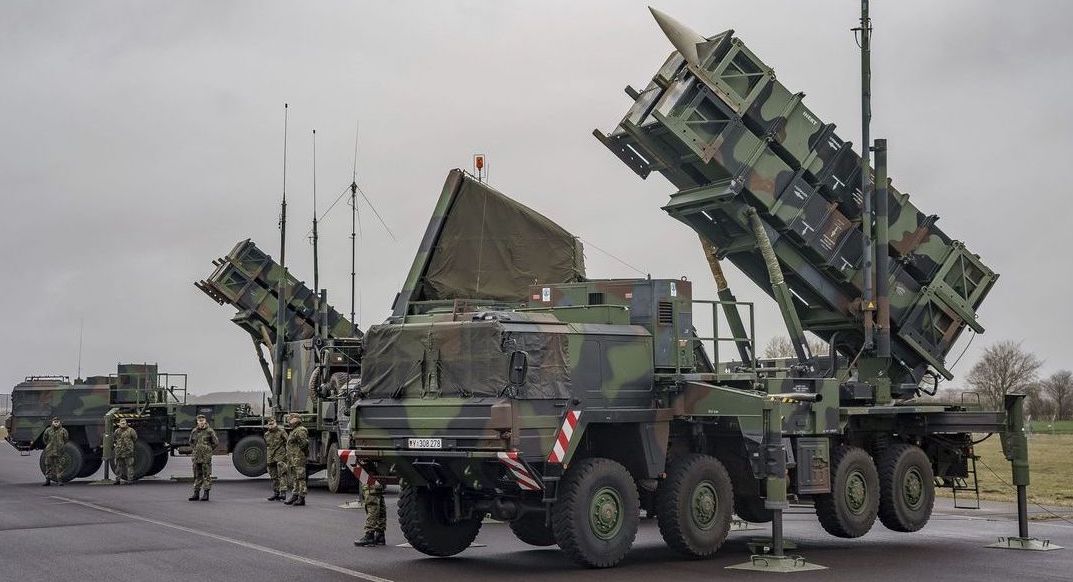
Surface-to-Air Missile Launcher From MIM-104 Patriot Long Range Air Defence System
Germany cannot supply Ukraine with additional MIM-104 Patriot air defence systems without creating unacceptable gaps in its own defences, German Defence Minister Boris Pistorius has stated, urging other Western countries to contribute more to Ukraine’s air defence requirements. Pistorius said Berlin had already delivered several Patriot systems and substantial quantities of interceptor missiles, leaving little capacity for further transfers. “We cannot provide any more at this moment,” he said, explaining that equipment transferred now could not be replaced for the foreseeable future. Transfers have placed pressure on German military inventories at a time when Berlin is seeking to expand its armed forces, and establishing new permanent force deployments near Russian territory.
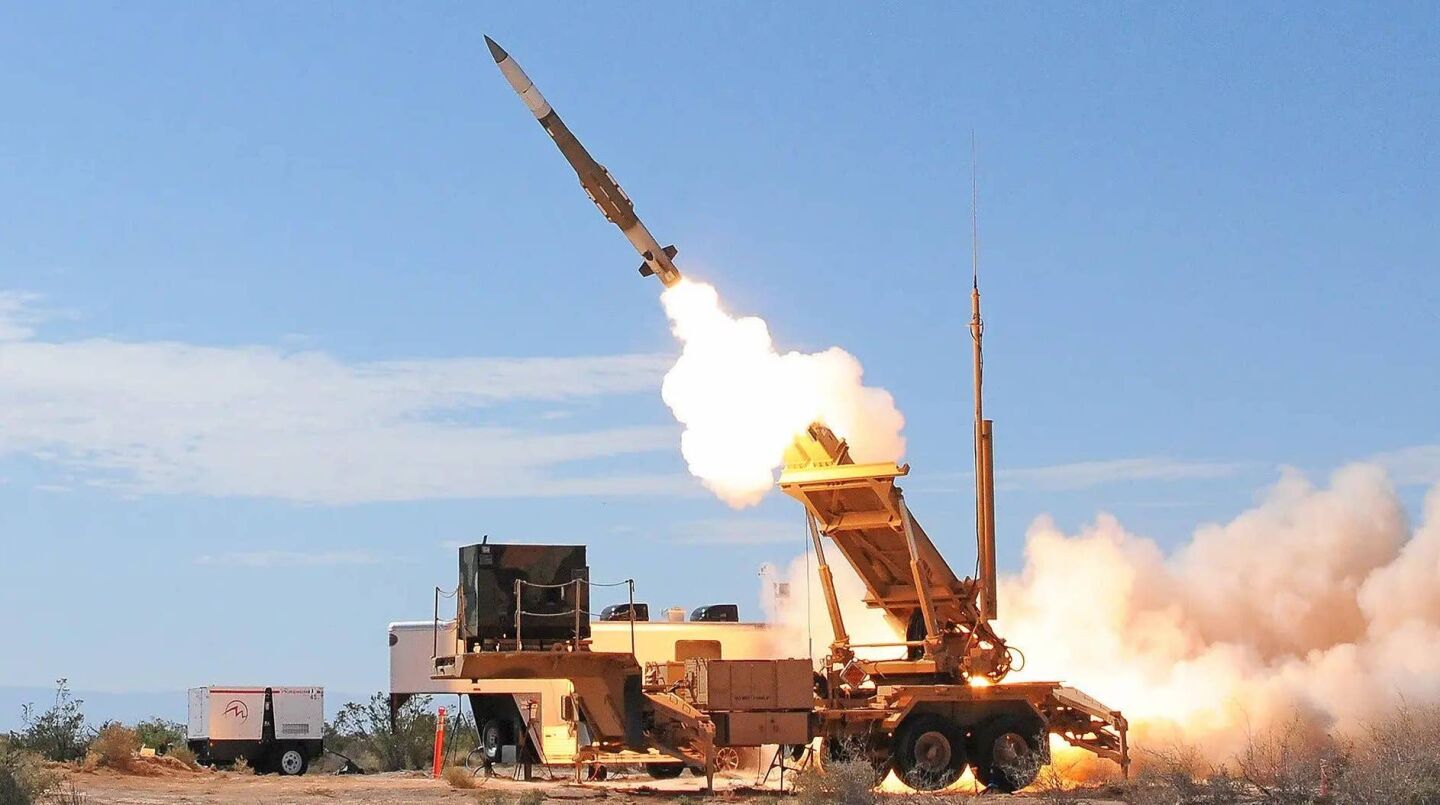
In March German officials speaking to the Wall Street Journal warned that the country has been left poorly protected against potential air or missile attacks due to the transfer of military systems, and particularly Patriot systems, to Ukraine. The issue has been exacerbated by the more recent deployment of remaining Patriot systems to protect Poland on NATO's eastern flank from late 2025. Germany was alongside the Netherlands and the United States one of the first three countries to donate Patriot systems to Ukraine in early 2023. In April 2024 German Foreign Minister Annalena Baerbock confirmed the exhaustion of the country’s capacity to make further donations, stating: “Unfortunately, the stocks, especially our own Patriot systems, are now pretty much exhausted. Therefore I made it clear at a NATO foreign ministers’ meeting that we need to check the availability of all Patriot systems in Europe and globally, and that we will make every effort to obtain these systems for Ukraine.”
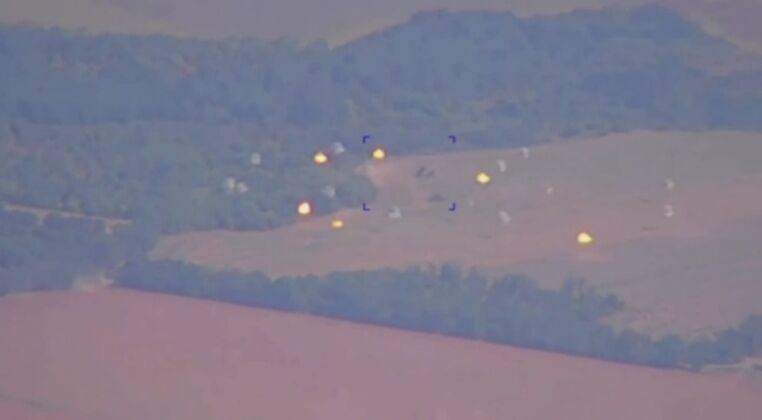
The rapid destruction of Patriot systems by Russian forces in Ukraine has meanwhile ensured that demand for additional systems for frontline operations remains high. Although the German Defence Ministry ordered eight new Patriot systems from the United States in 2024 to replenish systems donated to Ukraine, with these costing $2.33 billion each, these are not expected to be delivered for the foreseeable future. With the U.S. Army’s own stockpiles of interceptors for the systems having fallen critically low, new production is expected to be prioritised for the U.S. Army, and potentially for the Republic of China Army. Europe remains a low priority for the delivery of high demand weaponry, with East Asia and the Middle East being prioritised.
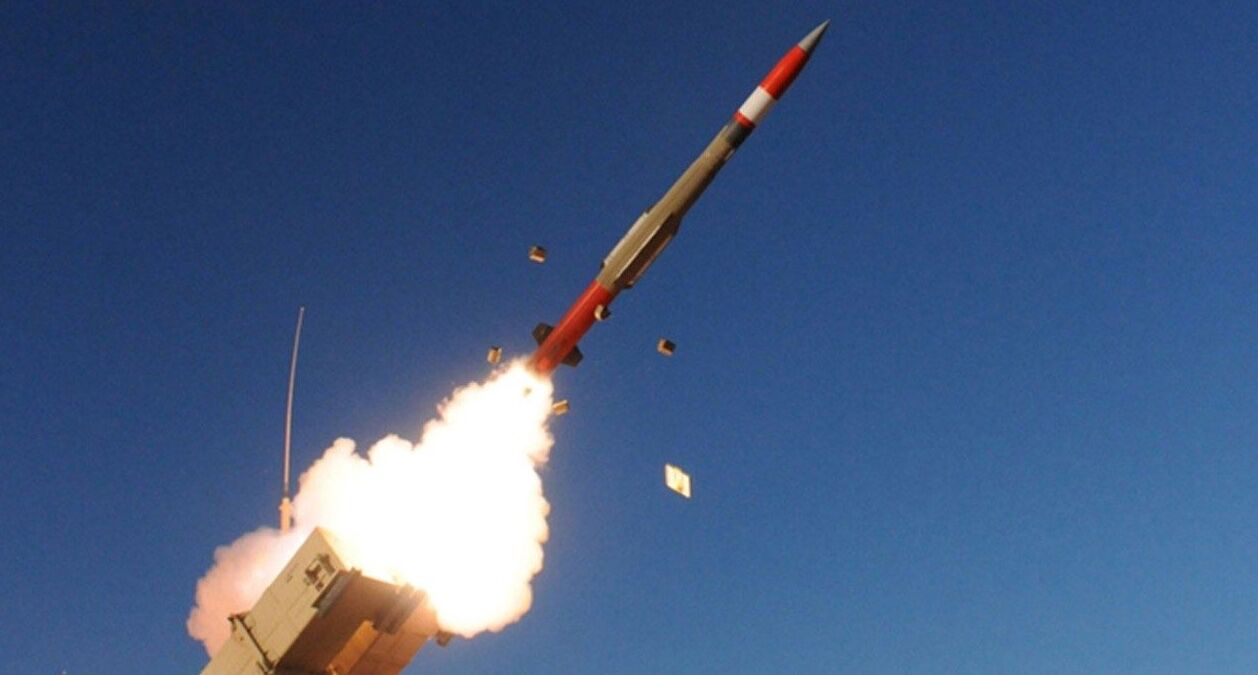
Pistorius’s latest remarks reflected growing frustration in Berlin over the distribution of military assistance among Ukraine’s Western backers. Pistorius argued that other countries had contributed substantially less and should now assume a greater share of the burden. The question of additional air defence assistance is expected to feature in discussions at the next meeting of the Ukraine Defense Contact Group, scheduled for mid-November. The shortage extends beyond the Patriot launchers and associated radar systems to the interceptor missiles needed to sustain operations. Ukraine has repeatedly called for additional PAC-3 missiles, which are designed to intercept ballistic missiles, as well as other Patriot-compatible ammunition. Interceptions can consume multiple expensive missiles against a single incoming threat, making sustained defence against large-scale attacks particularly demanding. The resulting expenditure has placed pressure on stocks across the United States and its allies, while replenishing inventories depends on production capacity and delivery schedules.
