
French Rafale Units Forward Deployed Near Russia Train to Disperse to Survive Drone and Missile Strikes
Military Watch Magazine Editorial Staff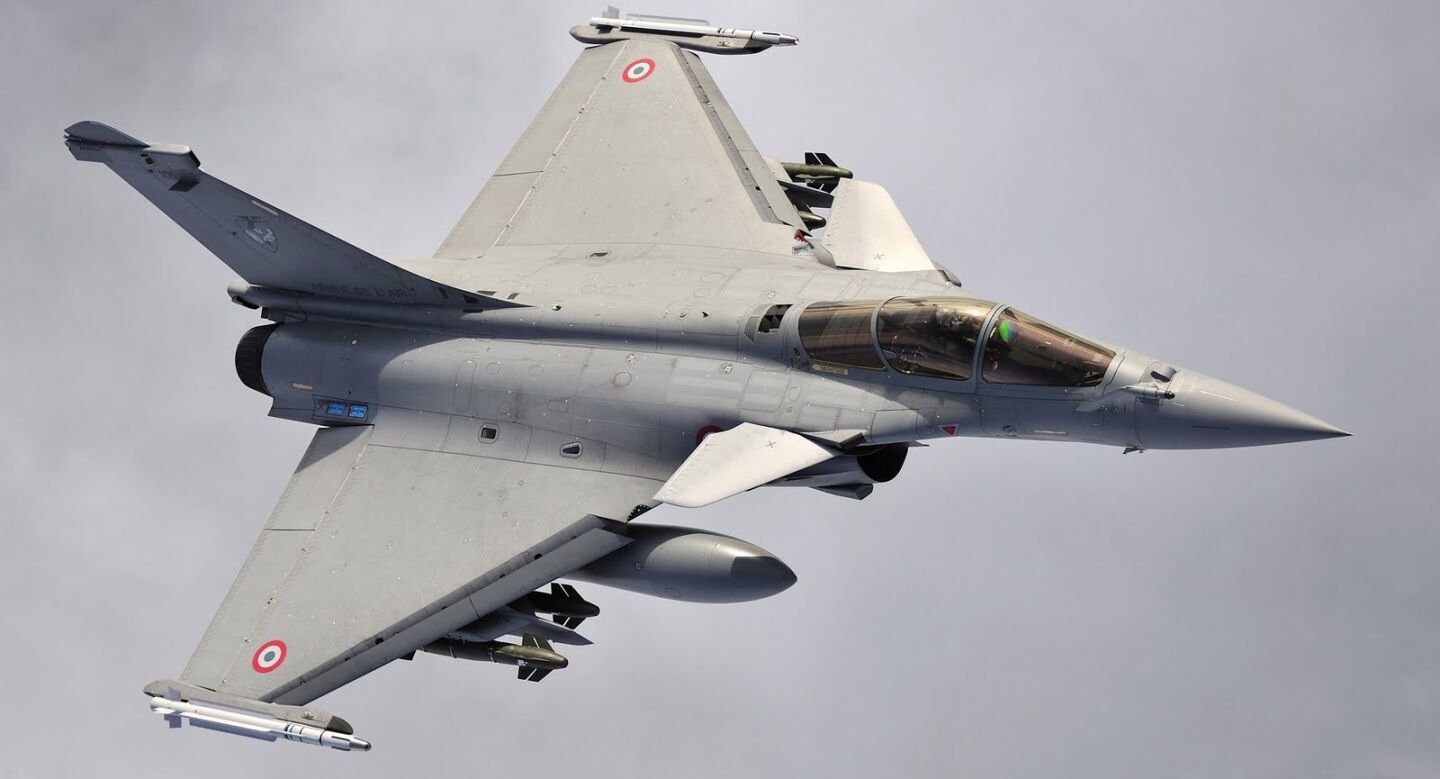
Rafale Fighter
French Air Force Rafale fighter units based in Poland have trained to disperse their operations and simulate measures intended to survive missile and drone attacks. The exercises demonstrated how quickly frontline airpower could relocate when established bases became vulnerable, and focused on preserving sortie generation from dispersed locations and reducing dependence on fixed infrastructure. This follows lessons from the U.S.-led war effort against Iran, where despite extensive investments in dispersing forces under the Agile Combat Employment concept, losses to Iranian and Yemeni strikes have remained substantial, including fighters and higher value aircraft.
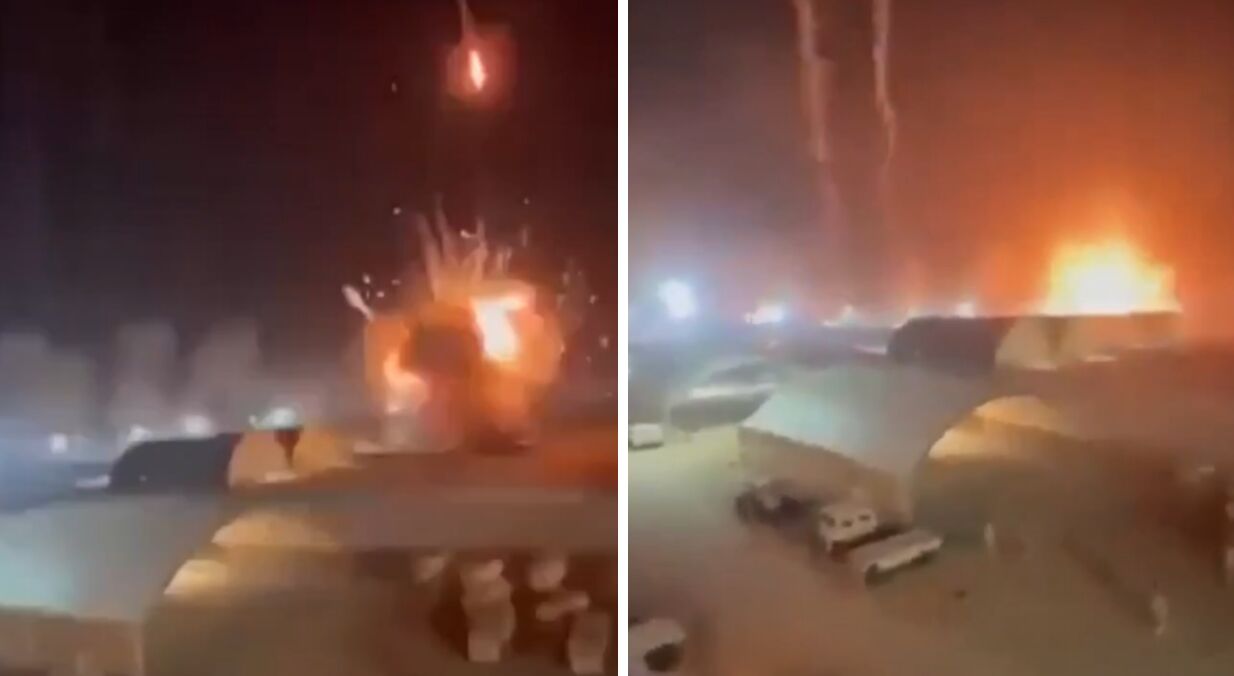
In July multiple regional sources reported that eight newly produced and unassembled U.S. Air Force MQ-9 Reaper unmanned aircraft were destroyed during an Iranian missile strike on King Faisal Air Base in Jordan, which was corroborated by satellite imagery. Later that month satellite imagery appeared to show significant damage to aircraft hangars at the facility, with a large plume of black smoke rising from the site, indicating that at least one of the F-15E Strike Eagle fighters inside was destroyed. The Iranian Islamic Revolutionary Guard Corps stated that an F-15 fighter aircraft shelter at the base had been successfully targeted in a missile strike, with footage from the facility confirming successful impacts. These and other losses have resulted in a rewnewed emphasis on dispersal and hardening.
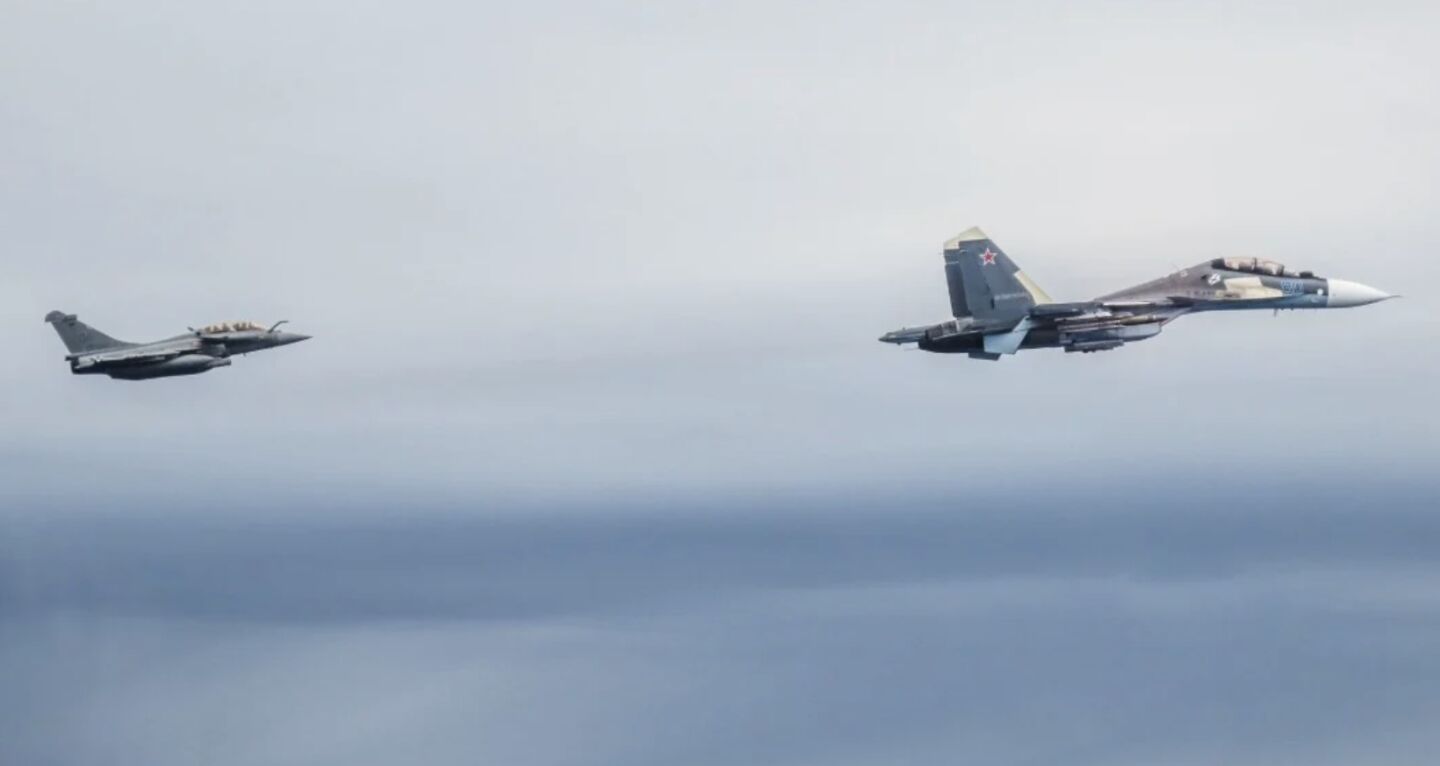
The viability of the Rafale for high intensity combat operations has repeatedly been questioned, particularly in the Pacific where it could face cutting edge Chinese fighter types, but also to a lesser extent in Eastern Europe. This is expected to worsen as Russia’s own fifth generation fighter fleet continues to grow rapidly. The recent publication the Future of Air Superiority: Mastering the Sky in High-Intensity Warfare has provided an unusually candid assessment of the limitations of current European fourth generation fighters, and their inability to operate against modern fifth generation fighters. French pilots regularly facing fifth generation fighters in joint exercises observed: “The combat mission against stealth fighters on the Rafale is impossible to win with the sensors in their current state.” This has significant implications for possible confrontations with Russian Su-57 fighters, which are being produced at a growing rate and intensively combat tested.
