
Urgent French Rafale F5 Upgrades Can’t Prevent Fleet Obsolescence - Fighter Expert Warns
Military Watch Magazine Editorial Staff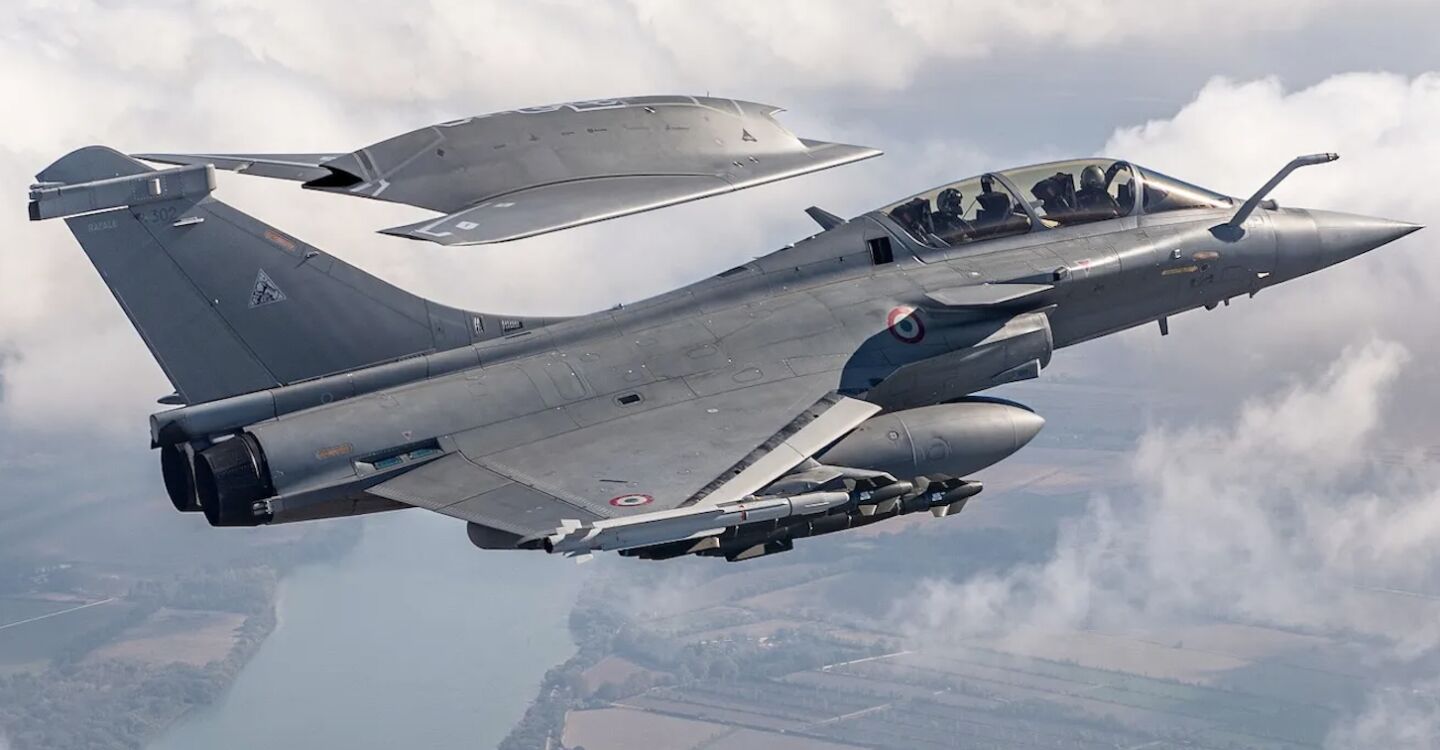
Rafale F5 Prototype with ‘Wingman’ Drone
The French Rafale F5 program represents an effort to keep an ageing fourth generation design relevant into the fifth and sixth generation eras, according a recent assessment by leading combat aviation expert Abraham Abrams. “The growing discrepancy in capabilities between European fighter aircraft, and those produced by the industry leaders China and the United States, has led the French defence sector to respond,” he observed regarding the stimulus for the program, stressing that the French aircraft’s development was from its outset in the 1980s well behind the cutting edge technologies being developed in the U.S. and USSR. He noted that the upgrade package is primarily built around the integration of a new radar, enhanced electronic warfare suite, more powerful engines, and integration with unmanned stealth ‘wingman’ aircraft.
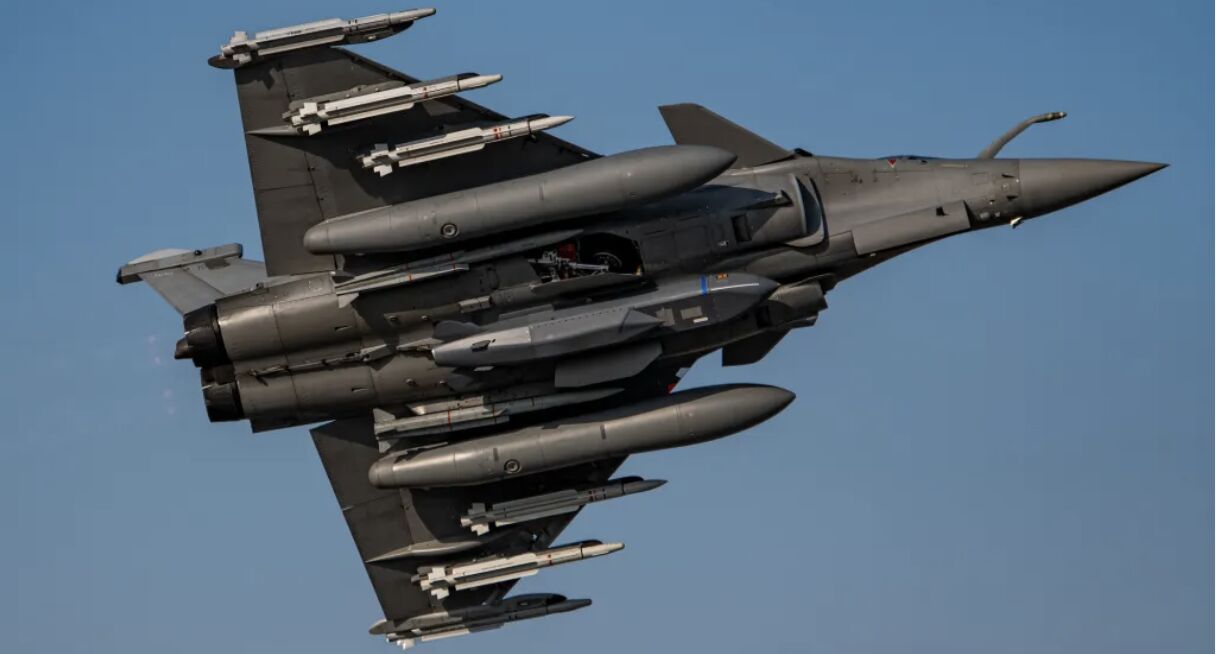
“A significant and growing inability to compete on a top their level has left French and other European fighter industries struggling to react to prevailing technological trends,” Abraham observed, while seriously questioning whether the program can allow the Rafale to remain viable. He noted that the new Rafale variant is likely to enter service after China’s first sixth generation fighters, leaving it two generations behind, at a time when the U.S. is also making progress bringing sixth generation fighters into service. His observations follow comments by Rafale pilots observing that confronting stealth fighters has been “impossible.”

Commenting on the Rafale F5 ’s prospects to provide a viable combat capabilities, Abrams observed: “While likely obsolete in more technologically competitive theatres such as the Pacific, it could retain some viability in Europe and the Middle East, particularly when operating alongside allies’ more advanced stealth fighters such as the F-35 Block 4.” Regarding the Rafale’s very strong reliance on its inbuilt electronic warfare suite, He noted that this “contrasts sharply with top tier U.S. and Chinese fighters, which are not have cutting edge stealth capabilities, but can also benefit from support from dedicated electronic warfare aircraft such as the EA-18G and J-16D.”
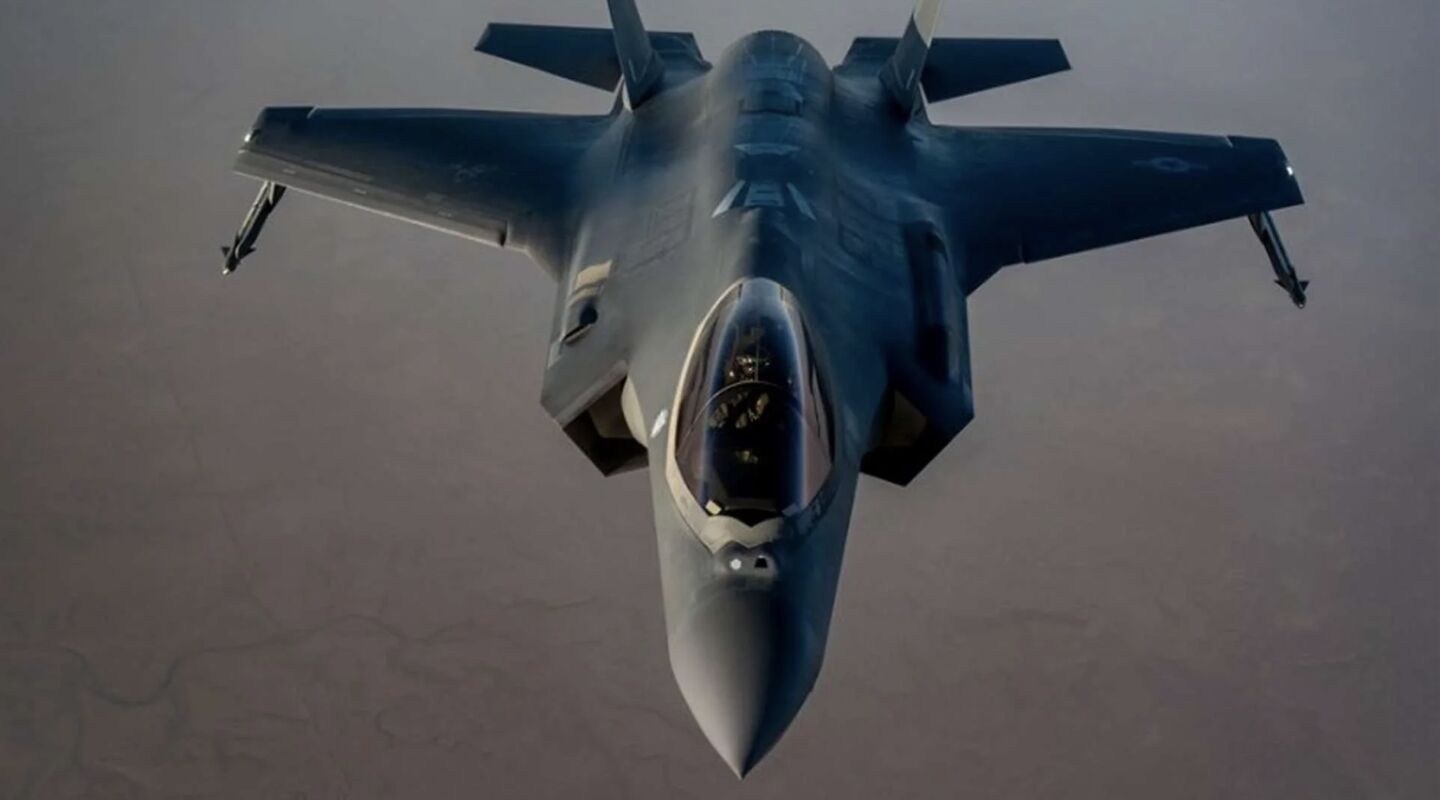
France has been forced to rely more heavily on the Rafale due to the collapse of the Franco-German Future Combat Air System (FCAS) next generation fighter program, which had been expected to provide a competitor to the F-35. The much more limited technological base of the European countries involved, however, raised serious questions regarding whether the aircraft could match the capabilities of F-35s built to the latest standards, such as the upcoming F-35 Block 4. The collapse of the program closely followed the Rafale’s first high intensity combat test, during which between one and four of the aircraft in Indian Air Force service were shot down by Pakistan Air Force J-10C fighters in May 2025. This was recently cited by Bangladeshi officials as a reason to procure the J-10C rather than European fighter types.
