
French President Confirms New Nuclear Powered Aircraft Carrier Program: Obsolete Air Wing Remains Major Issue
Military Watch Magazine Editorial Staff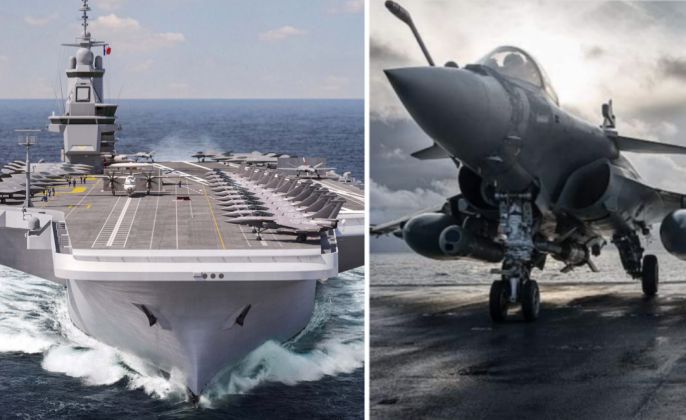
French Next Generation Carrier Artwork and Rafale M Fighter
French President Emmanuel Macron on December 21 confirmed plans to replace the French Navy’s sole and ageing aircraft carrier Charles de Gaulle with a next generation carrier under the Porte-Avions Nouvelle Generation program, with French media outlets reporting that the program was approved to enter a two-phase design and development activity as early as December 2020. Work on nuclear propulsion components for the program reportedly began in 2024, while the final order will be placed under the 2025 budget. The program is projected to cost 10.25 billion euros ($12 billion), with French officials reporting that the warship is intended to be operational by 2038. France is by far the smallest country to have attempted to build a nuclear powered aircraft carrier, with only China and the United States having such vessels under construction, while Soviet shipyards laid down the nuclear powered carrier Ulyanovsk in 1990, but scrapped it two years later when the state disintegrated.
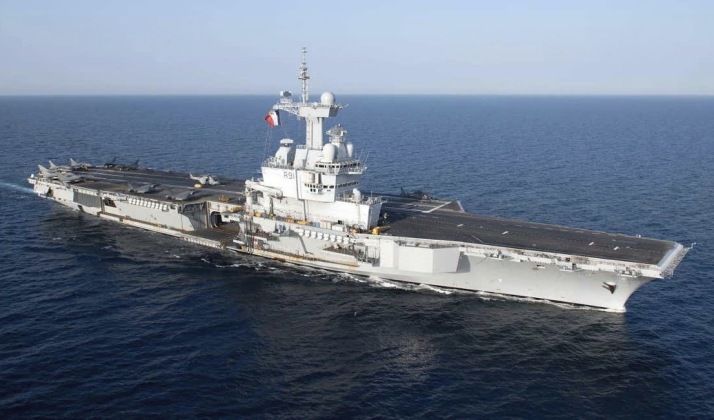
The Charles de Gaulle has had a highly troubled development and operational history, plagued with accidents, radiation exposure issues, and questions regarding the obsolescence of its air wing. Although it is by far the largest aircraft carrier fielded by a continental European state, it is small by international standards displacing just 44,000 tons, or approximately the same size as U.S. Navy America class assault ships. Compared to new Chinese and American supercarriers displacing 85,000 and 100,000 tons respectively, the ship’s size is a major constraint, while its nuclear propulsion system and French-built aircraft nevertheless making it highly costly both to procure and to sustain. The precedent set by the carrier program, and by other major French shipbuilding programs, indicate that the Porte-Avions Nouvelle Generation program is likely to produce a warship that is similarly far less capable than its Chinese and American counterparts, while potentially costing significantly more.
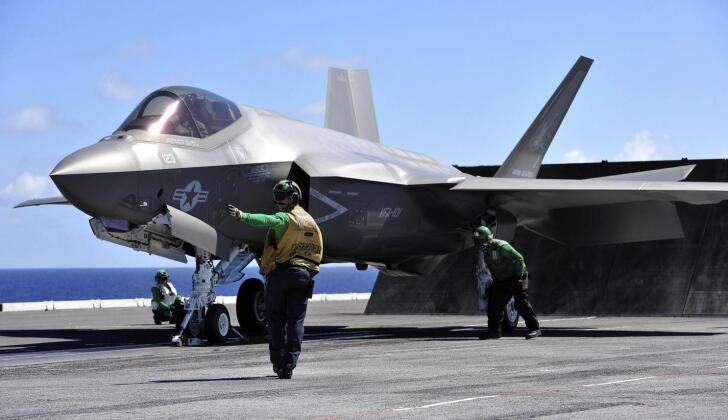
The next generation French aircraft carrier is reported to have a 78,000 ton displacement, a 310 metre length, and a a three-track Electromagnetic Aircraft Launch System similar to that of the newly commissioned Chinese aircraft carrier Fujian. In May a French Navy official at the Combined Naval Event revealed that the next generation carrier air wing will still be built around the Rafale M fighter, which is currently Europe’s only type of carrier based fighter, and first entered service in 2006. This raises serious questions regarding the combat potential of the new carrier’s air wing, as while the United States transitioned from 2018 to field F-35C fifth generation fighters from its carriers, with China following with the J-35 this year, France is set to continue to rely solely on fourth generation fighters in its air wing into the 2040s. The Rafale remains a very short ranged and lightweight aircraft, with the weakest engines of any fighter type in production in the world today, and a capacity to carry a very small radar.
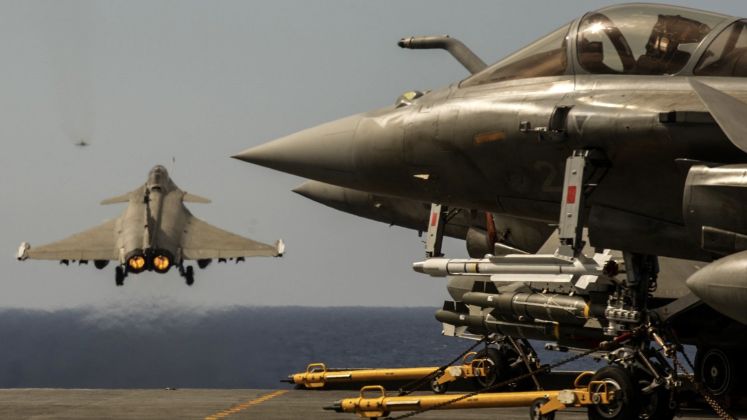
The position of French carrier air wings appears to be particularly unfavourable when considering that even smaller navies such as those of the United Kingdom and Italy have for close to a decade integrated F-35B fighters into their own carrier air wings, with Japan set to shortly follow suite, leaving the Rafale’s capabilities obsolete by comparison. By the time the next generation French aircraft carrier enters service in the late 2030s, the United States and China will be approaching their first full decade fielding sixth generation fighters, with a significant possibility that these will have also been integrated into their carrier air wings. China’s unveiling of flight prototypes of two separate sixth generation fighters in December 2024, both of which have been intensively flight tested since then, has added growing urgency to the United States’ own programs, including the U.S. Navy’s F/A-XX sixth generation carrier based fighter which is scheduled to enter service years before France’s new Rafale-dependant carrier does.
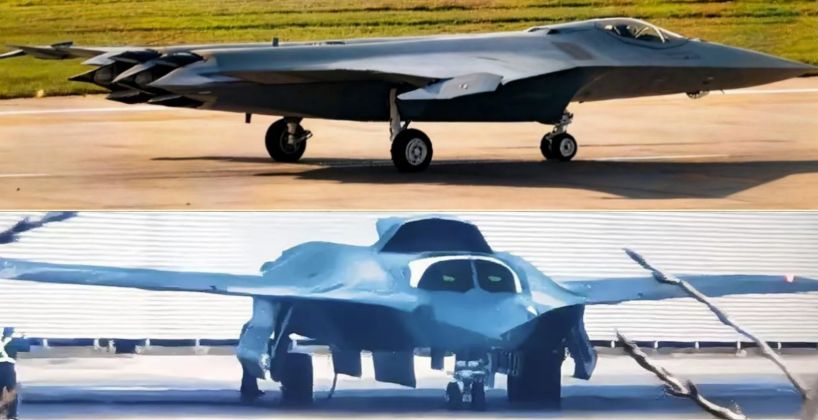
France is increasingly speculated to potentially be left as the last nuclear weapons state to field a fifth or sixth generation fighter, with the joint Franco-German-Spanish Future Combat Air System (FCAS) next generation fighter program not expected to produce a fighter for over two decades. CEO of French aerospace firm Dassault Eric Trappier previously elaborated regarding the state of the program: “[The target of] 2040 is already missed, because we already stall, and the discussions of the next phase will surely also be long... so we rather aim for the 2050s.” This places the aircraft on schedule to service around 20 years behind American and Chinese sixth generation fighters, with prevailing trends indicating that it will be much less capable. The lack of modern fighters brings to question whether developing a costly new aircraft carrier will be a worthwhile investment, and raises the possibility of the French Navy seeking to lobby the Defence Ministry to procure American F-35C or even F/A-XX fighters to provide a viable air wing.
