France Unveils Ambitious SCX26 Stealth Destroyer Program as European Combat Ships Fall Further Behind
Military Watch Magazine Editorial Staff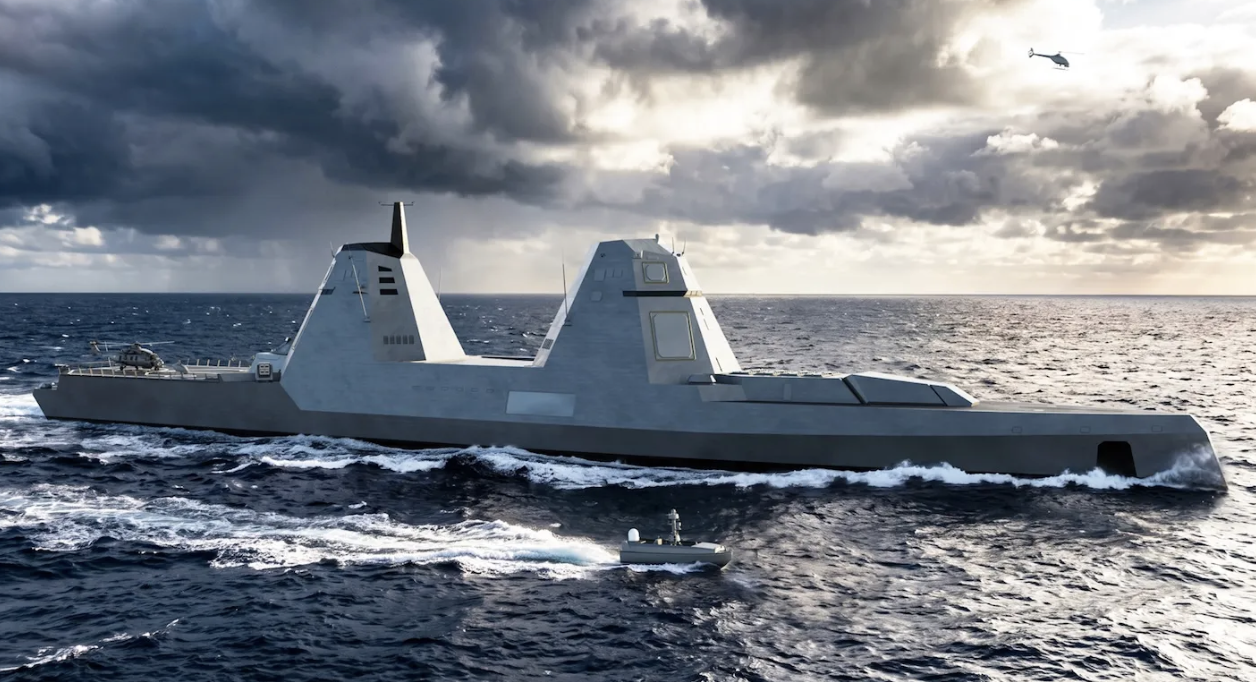
French SCX26 Destroyer Artwork
French shipbuilder Naval Group has unveiled the SCX26, a concept for a future stealth destroyer designed to operate as a command hub for crewed warships and large numbers of uncrewed aerial, surface and underwater systems. Presented at the Euronaval 2026 exhibition in Paris on November 3, the design combines a substantial missile arsenal, distributed sensors and extensive facilities for deploying, recovering and maintaining drones. Naval Group describes the vessel as a research and technology demonstrator concept rather than a warship intended for immediate construction, using it to explore how surface combatants could evolve in response to emerging threats and advances in automation.
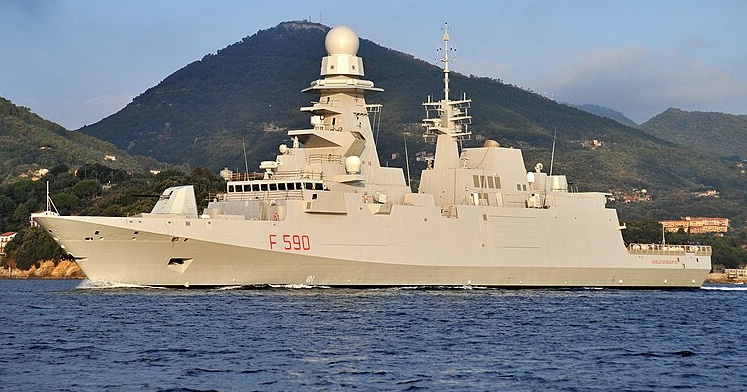
The SCX26 is approximately 170 metres long, with a full-load displacement estimated at around 8,000 to 10,000 tons. Naval Group envisages a maximum speed of 30 knots and a range of up to 8,000 nautical miles, supported by a combined diesel-electric and gas-turbine (CODLAG) propulsion system. Its size would place it above France’s current FDI frigates and within the category of large surface combatants designed to conduct air defence, anti-submarine warfare and long-range strike missions. The concept has reportedly progressed beyond preliminary artwork to include hydrodynamic model testing, although no construction schedule or procurement commitment has been announced. One of the vessel’s most distinctive features is its twin-island superstructure, with two widely separated structures incorporating bridges, masts and radar installations, which distributes key sensors and ship functions rather than concentrating them in a single superstructure, thus providing greater redundancy if individual systems are damaged.
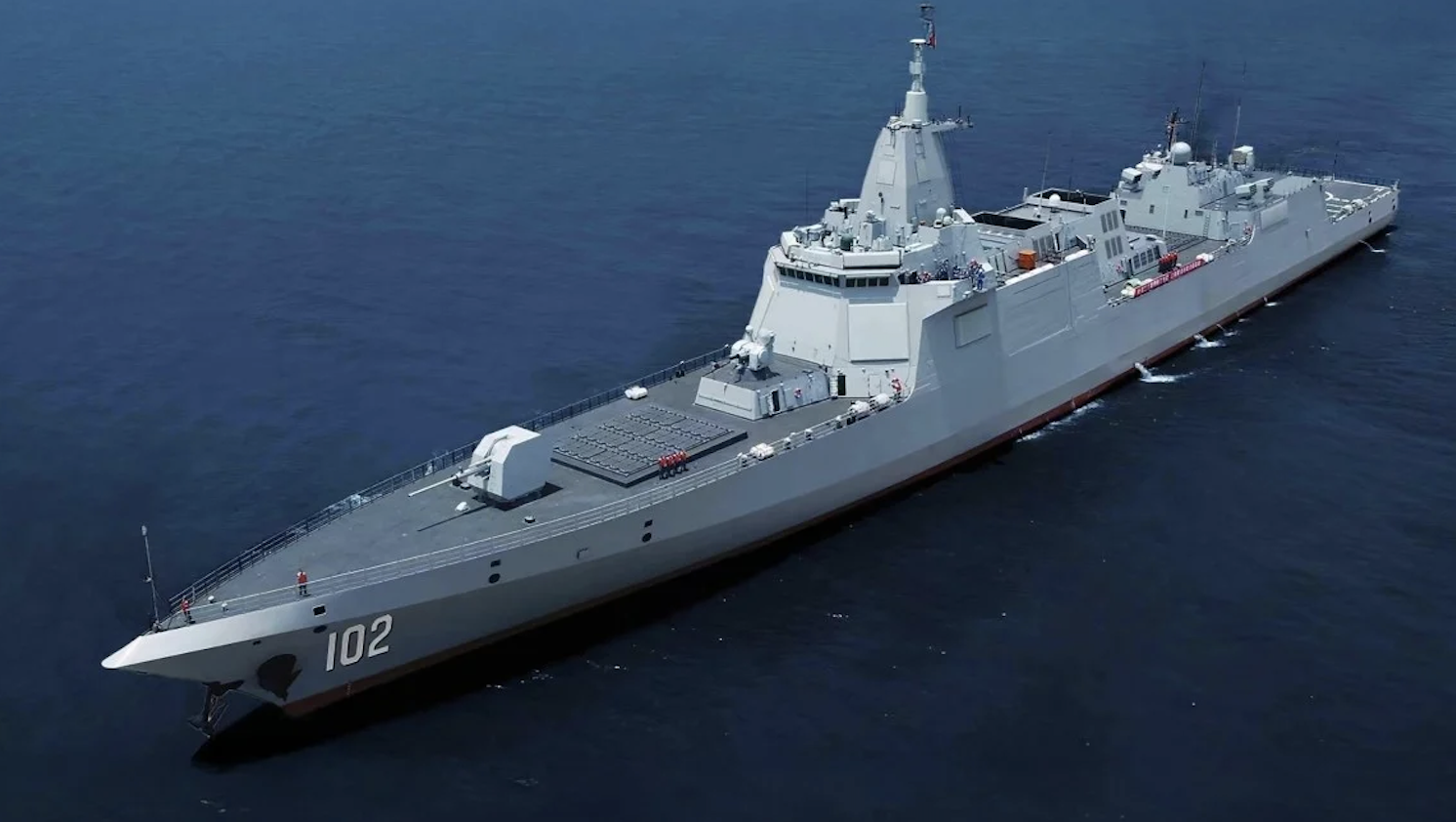
It remains uncertain to what extent the SCX26 program can reverse the prevailing decline in the standings of European surface combat ships. For decades European destroyers have struggled to remain competitive with the most capable surface combatants developed by the United States, China, Japan, and South Korea, with the gap particularly pronounced in missile capacity, sustained combat power and the ability to operate independently in high-intensity naval warfare. European warships have faced a fast growing disparity with leading foreign competitors in the combat capabilities they can deliver during prolonged engagements. This reflects not simply shortcomings in naval engineering, but decades of declining defence expenditure, fragmented procurement, insufficient production runs and a failure to prioritise the requirements of large-scale maritime warfare. The contrast is particularly striking when comparing the development of European destroyers with that of the US Navy's Arleigh Burke class and China's Type 052D and Type 055 classes, which have benefited from decades of sustained investment and much more robust technological bases.
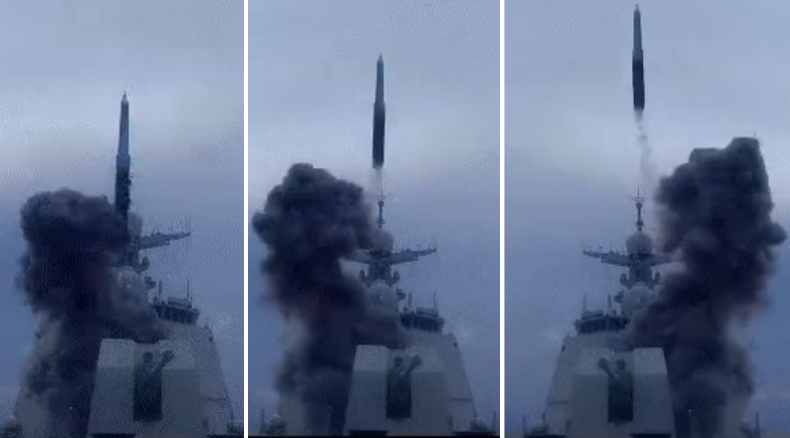
The most readily measurable disadvantage is the number of missiles European destroyers can carry. The U.S. Navy's Arleigh Burke Flight III class ships accommodate 96 Mk 41 vertical launch system cells, while China's Type 055 destroyers integrate 112. By comparison, some of Europe's most advanced air-defence destroyers, including Britain's Type 45 and the Franco-Italian Horizon class, were built around just 48 principal missile-launch cells. This disparity has considerable operational consequences because modern naval warfare places enormous demands on the number of interceptors available to individual vessels. U.S. and Northeast Asian destroyers also have much more versatile armaments suites capable of ballistic missile defence, land attack, and anti-shipping among other roles, while European destroyers tend to be single-role ships usually optimised for air defence, and less capable even in these roles than their foreign counterparts.
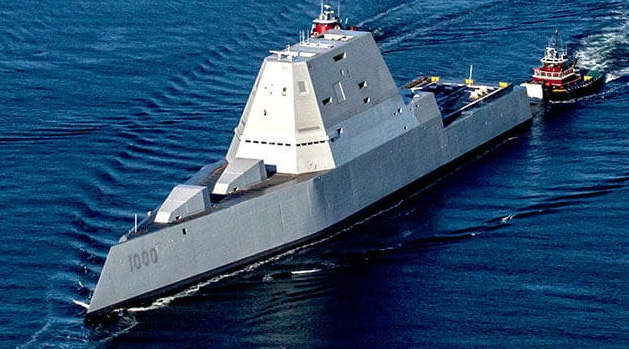
Naval Group envisages an extensive vertical-launch missile arsenal, with 12 Sylver launcher installations distributed between the forward and aft sections. Depending on the configuration, these could accommodate up to 96 missiles, including Aster 30 surface-to-air interceptors and MdCN land-attack cruise missiles. The company has also outlined options for exceeding 100 missiles through the use of quad-packed CAMM interceptors, future Sylver NG launchers and additional launch modules installed in the ship’s flexible central zone. Two Rampart multipurpose launchers would provide another layer of close-range defence, with options for short-range missiles, guided rockets and decoys. The final missile capacity would depend on the selected launcher configurations and weapons mix. The ambitions of the program have raised serious questions regarding the ability of European defence sectors to see it through, although if successful it could potentially curb the trend towards the lack of competitiveness of European surface combatants.