
U.S. Navy Deploys Newest Destroyer Within Missile Range of Russia’s Arctic Bases
Military Watch Magazine Editorial Staff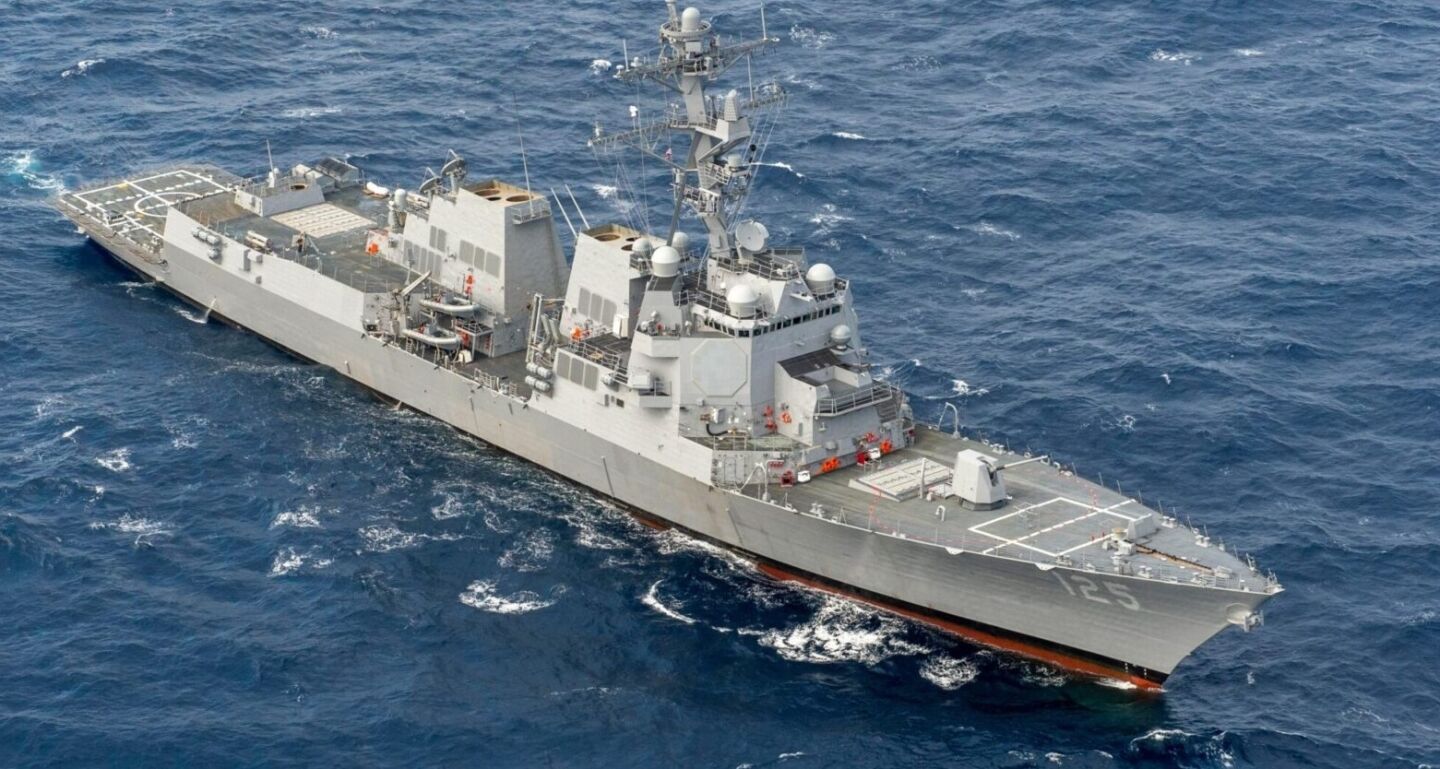
U.S. Navy Flight III Arleigh Burke Class Destroyer
The U.S. Navy’s newest destroyer, the future USS Ted Stevens has arrived in Alaska, bringing the latest Flight III configuration of the Arleigh Burke class to a region directly adjacent to Russia. The destroyer arrived in Whittier on September 27 ahead of its formal commissioning ceremony on October 3, marking the first U.S. Navy ship commissioning held in Alaska since 2013. The arrival places one of the U.S. Navy’s most advanced surface combatants in the immediate vicinity of the Russian Far East. Alaska is separated from Russia by the Bering Strait, with the two countries’ territories approaching to within approximately 90 kilometres at their closest points.
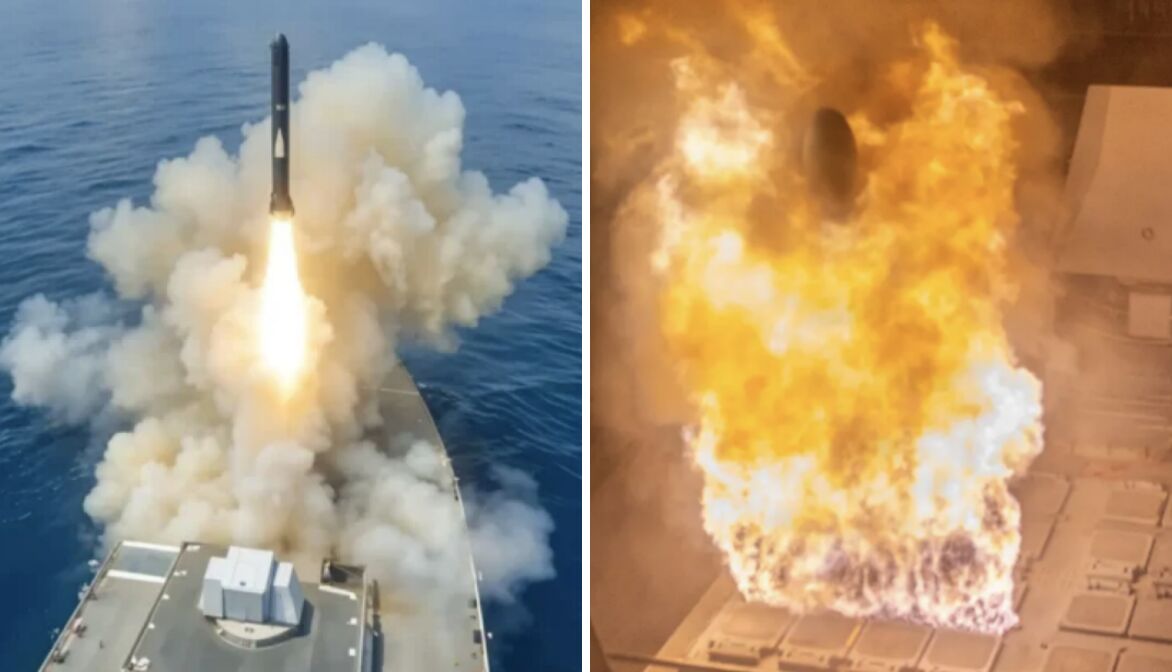
The Ted Stevens is the latest version of the Arleigh Burke class destroyer and is equipped with the AN/SPY-6(V)1 air and missile defence radar. The Flight III configuration incorporates substantially greater electrical generation and cooling capacity than earlier versions of the class, allowing the ship to support the radar and other advanced combat systems. The AN/SPY-6(V)1 is designed to provide substantially improved detection and tracking of airborne threats, including aircraft, cruise missiles and ballistic missiles. Combined with the Aegis combat system and the destroyer’s missile armament, the radar gives the Flight III ships an enhanced role in integrated air and missile defence.
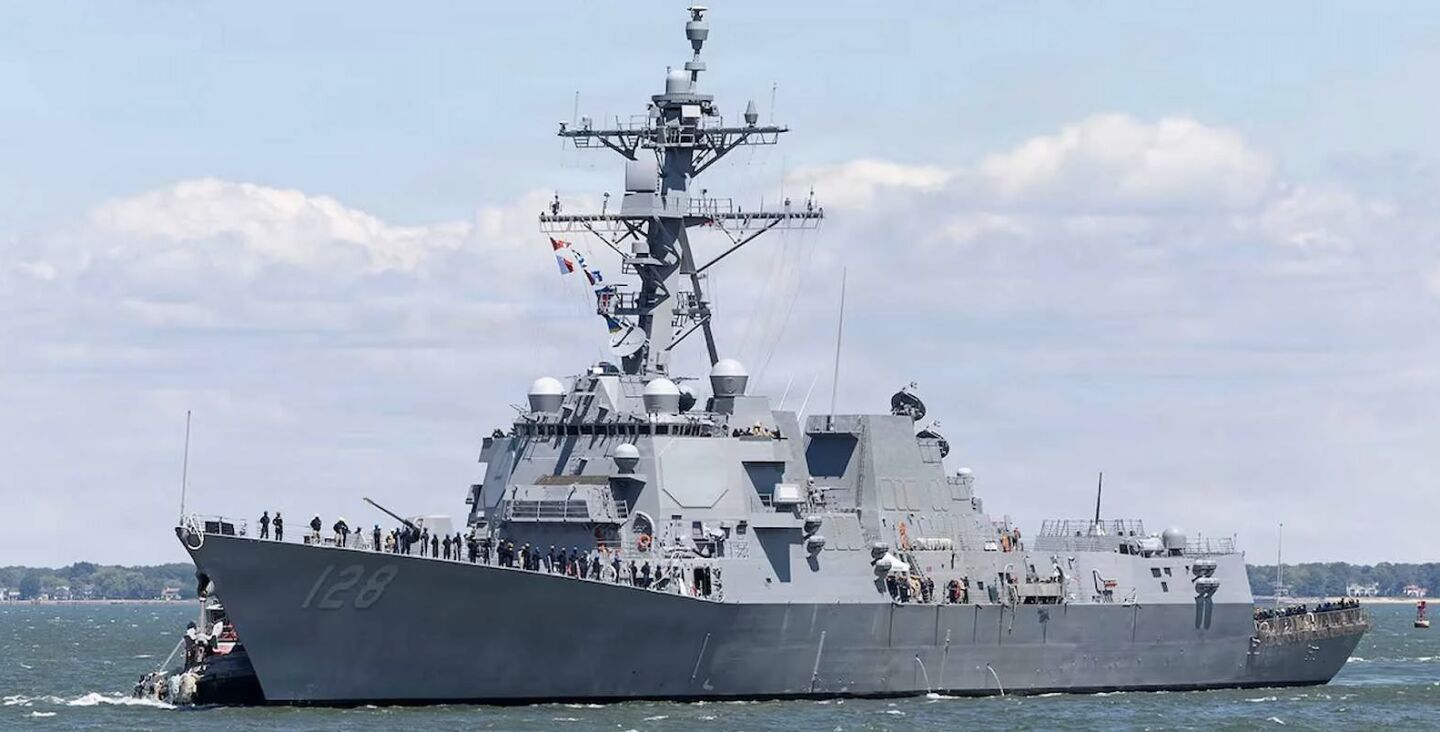
The Arleigh Burke class destroyer fleet has faced considerable strain due to its age and to significant operational demands in the Middle East, raising concerns over the ability of an ageing fleet to sustain a high operational tempo while sustaining scheduled maintenance. Fifteen of the destroyers have maintained a presence around Iran for the ongoing U.S.-led war effort against the country. With the first ship of the class, the USS Arleigh Burke, laid down in 1988 and commissioned into service in July 1991, questions have increasingly been raised regarding the ships’ viability against peer level adversaries. Unlike China and North Korea, however, Russia has not brought modern destroyers into service, which means despite the Arleigh Buke class’ age it is still significantly more advanced than current Russian destroyer types.
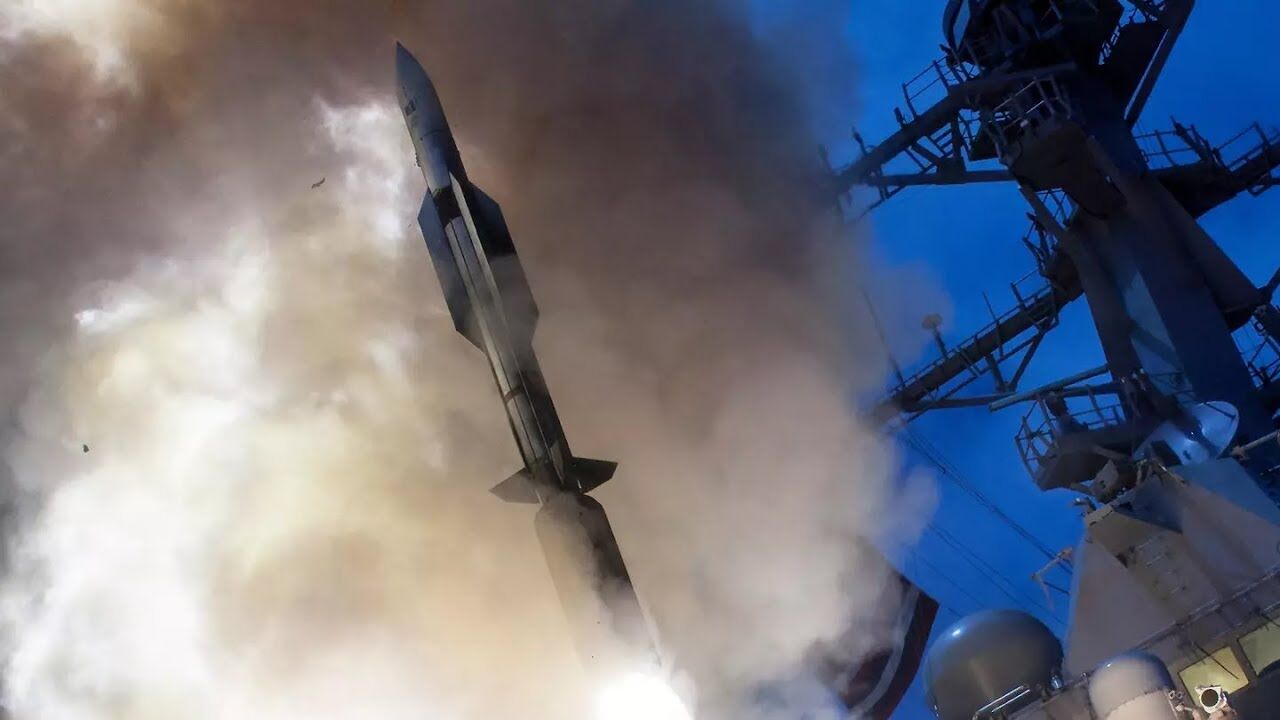
The arrival of the Ted Stevens is particularly notable because of Alaska’s growing importance to U.S. military operations in the Arctic and North Pacific. The Navy maintains a presence in the region through high-latitude maritime security operations, exercises and cold-weather training, while the United States has increasingly focused on the ability to operate in the Arctic as Russia expands its military infrastructure across its northern territory. The deployment demonstrates the ability of the U.S. Navy to position advanced missile-equipped surface combatants in the northern Pacific and Arctic approaches. A Flight III destroyer operating from the region would be capable of contributing to air and missile defence, maritime surveillance and long-range strike missions in waters close to both Russia and the broader Arctic theatre.
In December 2023 the United States government announced a significant expansion of its territorial claims, and made a unilateral claim of sovereignty over approximately 1 million square kilometres of seabed, much of which was in the Arctic region. The expansion of American territorial claims closely follows a statement by commander of the Russian Navy Admiral Nikolay Yevmenov in the first week of December that the country faced a considerable threat from the growing NATO military presence in the region, stressing that “the collective West is ramping up efforts to impede Russia’s economic activities in the Arctic.” Russia has prioritised the Arctic for deployment of its most capable military equipment, including the world’s sole nuclear powered surface combat ships the two Kirov class cruisers, the second of which became operational earlier in September.
