
F-16V Over Morocco; U.S. Approves $4.8 Billion Sale of Elite Fighting Falcons to African Ally
Military Watch Magazine Editorial Staff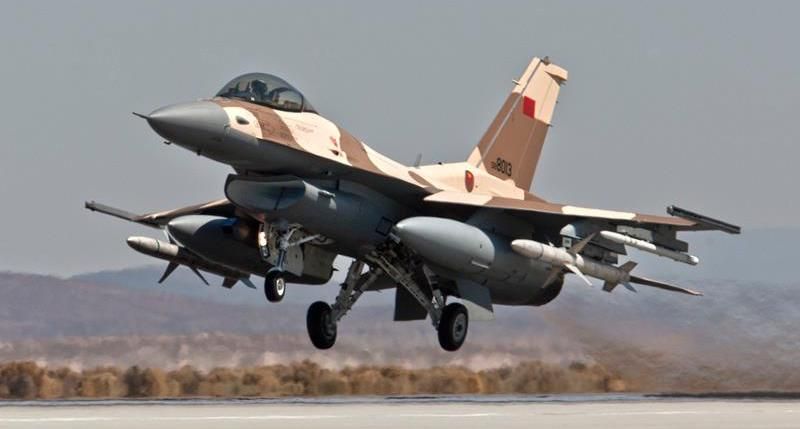
Moroccan Air Force F-16 Fighting Falcon
The U.S. State Department has approved the sale of 25 F-16C Block 72 Fighting Falcon fighters alongside the provision of munitions, equipment and upgrades to enhance the fleet’s capabilities under a contract which is estimated at $4.8 billion. The contract is set to include upgrading 23 of the Moroccan Air Force’s serving F-16C Block 52 aircraft to the F-16V standard, which will significantly extent these aircrafts’ service lives and enhance their combat performances. The F-16V is an enhanced variant fo the Fighting Falcon deriving many of its technologies from the F-16E developed for the United Arab Emirates, including an advanced active electronically scanned array (AESA) radar and state of the art electronic warfare systems. The F-16V ‘4+ generation’ upgrade program was first unveiled in 2015, and is key to keeping the U.S. Air Force’s Fighting Falcon fleet viable into the 2030s and possibly beyond. The aircraft has also been popular with a number of U.S. allies including Taiwan and Bahrain, with the former requesting F-16V upgrades to its existing F-16 fleet while also planning the purchase of approximately 70 ‘off the shelf’ new fighters of this standard.
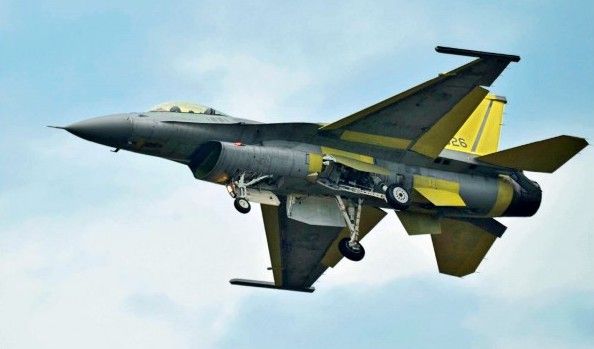
Other equipment Morocco is set to acquire as part of its contract for the enhancement of its F-16 fleet includes 30 M61 Vulcan 20mm guns, 40 AIM-120C-7 long range air to air missiles, 60 GBU-39B bombs and 26 AN/AAQ-33 Sniper Pods. Spare parts, practice equipment, and logistical support services are also included in the contract. The Moroccan Air Force is one of just two F-16 operators in Africa alongside the Egyptian Air Force - though unlike Egypt it has been provided with high end variants of the Fighting Flacon and modern equipment and munitions to enhance their performance. Morocco has long operated the AIM-120 air to air missile, for example, which provide its Fighting Falcons with high end anti aircraft capabilities. The C-7 represents one of the most capable variants of this munition. Egypt by contrast has long been denied access to even the most basic AIM-120 variants such as the AIM-120B, leaving its large F-16 fleet with negligible air to air capabilities for high end warfare.
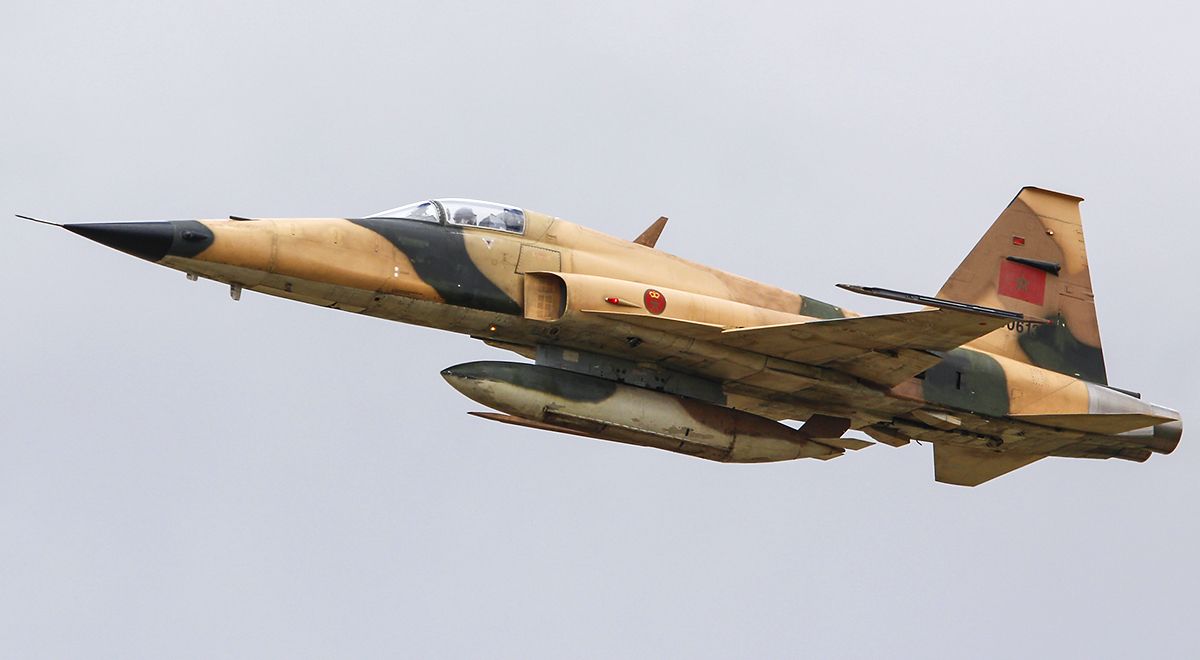
Morocco’s acquisition of additional F-16s is likely to lead to the phasing out of its ageing Mirage F1 fighters, which are highly limited in their ability to incorporate upgrades and remain extremely costly to operate. The country’s other legacy platform, the F-5E, is likely to remain in service for some time due to the ease with which it can incorporate upgrades and its very low operational costs and ease of use. Ultimately while Morocco remains the only major client for American combat jets in Africa - since a new government came to power in Egypt in 2013 and shifted its attention primarily to Russian aircraft - it remains outmatched by the fleet of neighbouring Algeria which deploys high end Su-30MKA air superiority fighters capable of outperforming the F-16 across the spectrum. Morocco for its part has indicated that it is willing to consider acquisition of advanced surface to air missile systems, possibly the Russian S-400, to compensate for this disadvantage. While the F-16 airframe is considerably more limited that the Su-30 in its capabilities - including speed, range, payload, manoeuvrability, sensors, flight ceiling and engagement range - equipping the fighters with high end AESA radars, advanced electronic warfare systems and highly potent air to air missiles can somewhat compensate for this disadvantage.
