
Engine Problems For America’s F-35 Stealth Fighter Continue to Undermine Fleet’s Operational Readiness
Military Watch Magazine Editorial Staff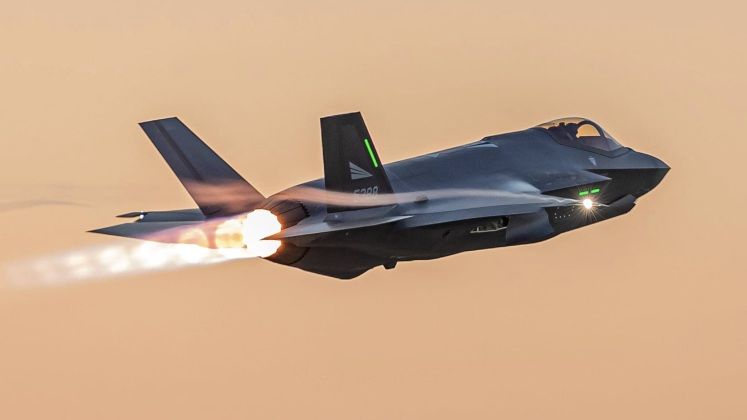
F-35 Stealth Fighter
The U.S. Air Force’s F-35A fifth generation single engine fighter will see fewer performance demonstrations in 2021 than previously planned due to ongoing issues with the aircraft’s F135 engine. Although the F135 is the most powerful engine used by any fighter in the world, Pentagon officials have cited issues with its power module as a key cause for the F-35’s low mission capable rates - which has been one of many issues that have delayed Pentagon plans to declare the fighter fully combat ready. The engine is produced by Pratt & Whitney, which is now owned by the Raytheon Technologies Corp., and has faced not only performance issues but also a shortage in numbers - in part due to the very high numbers of F-35s currently being produced. The fighter is currently being manufactured on a larger scale than any other Western combat jet, and for several years leading up to 2020 it was the only fighter being manufactured for the U.S. Air Force. Nevertheless, the aircraft's many serious performance issues have led it to draw harsh criticism from multiple officials including more than one defence secretary.
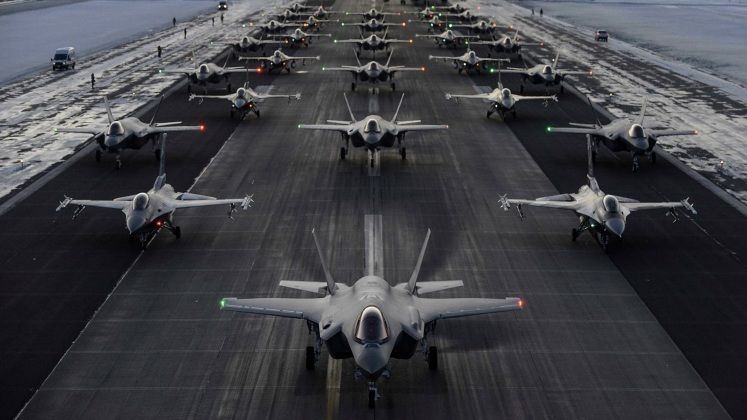
Pentagon spokesman John Kirby highlighted regarding issues with the F-35’s combat readiness rates: "The leadership team here is focused on a comprehensive recovery plan to mitigate the readiness impact to our F-35 operational units… They don't deem the engine issues right now to be a safety of flight issue, but maintenance inspections are resulting in unscheduled engine removal." One outstanding issue with the F135 has been overheating of a surface coating on its turbine blades, which causes the blades to crack and means engines need to be taken out of service earlier than planned and undergo maintenance more frequently. This has been but one of several factors which has undermined the F-35’s availability rates - with the aircraft requiring much more maintenance than the fighter it was designed to replace the F-16. This is reflected in the F-35’s very high operational cost for a single engine fighter, which far surpassed estimates when the program began, at approximately $31,000 per hour compared to the F-16’s hourly operational cost of only around $7,700 - a little under a quarter that of the F-35. It remains to be seen when or whether the F-35’s combat readiness issues will be resolved, although reports that the U.S. Air Force plans to cut over a third of planned orders for the aircraft and instead purchase enhanced variants of the F-16, an aircraft approaching 50 years since its first flight, bodes ill for the program.
