
Can Israel Afford To Replace Its F-16s With F-35s? Defence Minister Seeks To Expand Stealth Fleet To Three Squadrons
Military Watch Magazine Editorial Staff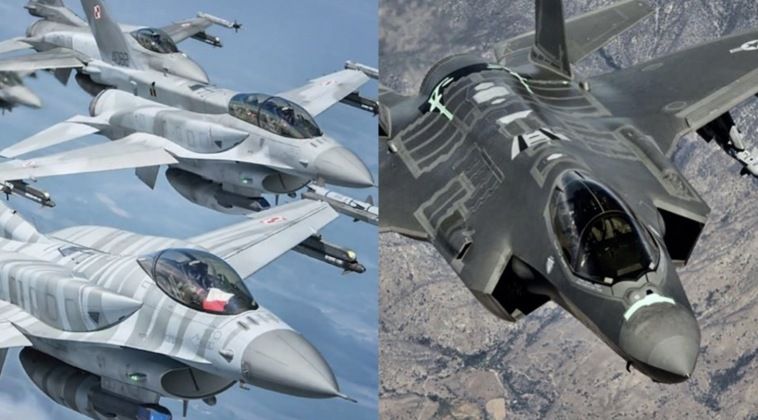
F-16 (left) and F-35 Single Engine Fighters
Israel Defence Minister Benny Gantz announced on January 4th that he favours expanding the country’s fleet of F-35 stealth fighters from two to three squadrons, and hopes a deal for a third unit can be concluded before U.S. President Donald Trump steps down on January 20th. “Without doubt, we need to expand the F-35 array. Right now we have two squadrons. I reckon we will expand that. That is what I requested of the Americans… I would buy another F-35 squadron and then examine what to do with the balance - continuing to expand the F-35 (procurement), going for F-15s?,” Gantz told Ynet TV. The Israeli Air Force has ordered 50 of the next generation single engine fighters, which include both F-35A and F-35I variants, with the third squadron expected to be made up fully of F-35I jets which benefit from indigenous avionics and electronic warfare systems. Although the minister did not specify the number of F-35s in the proposed new squadron, it is expected to be comprised of approximately two dozen aircraft.
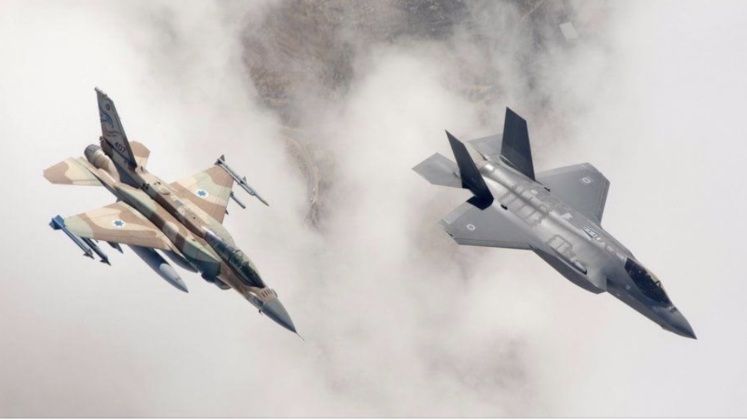
Despite receiving considerable aid from the United States, Israel’s relatively limited defence budget relative to most operators of stealth aircraft is still a major constraint on efforts to replace older fourth generation F-16 squadrons with fifth generation F-35s which were deigned to be their direct successors. The F-35A’s flyaway cost has been reduced to around $80 million per airframe, which although much higher than the inflation-adjusted prices of the F-16s Israel purchased during the Cold War and in the 1990s and 2000s, is hardly the most significant issue facing the Israeli Air Force. The F-35 requires far more maintenance and has a far higher fuel consumption than the F-16, meaning not only that it spends much more time on the ground for every hour in the air, but also that it costs approximately four times as much per hour to operate. With operational costs over the fighter’s lifetime far exceeding the one-time cost of acquisition, acquiring more F-35 units is a much greater investment that it may initially appear. This combined with some of the performance limitations of the F-35, a design which is still very far from ready for high intensity combat, has yet to be certified by the Pentagon and pass combat testing, and lacks the long range needed to reach the airspace of Israel's regional rival Iran, means purchases have been somewhat controversial.
