
America is Finally Getting Cost Effective Stealth Jets; F-35A Price Drops to Just $80 Million
Military Watch Magazine Editorial Staff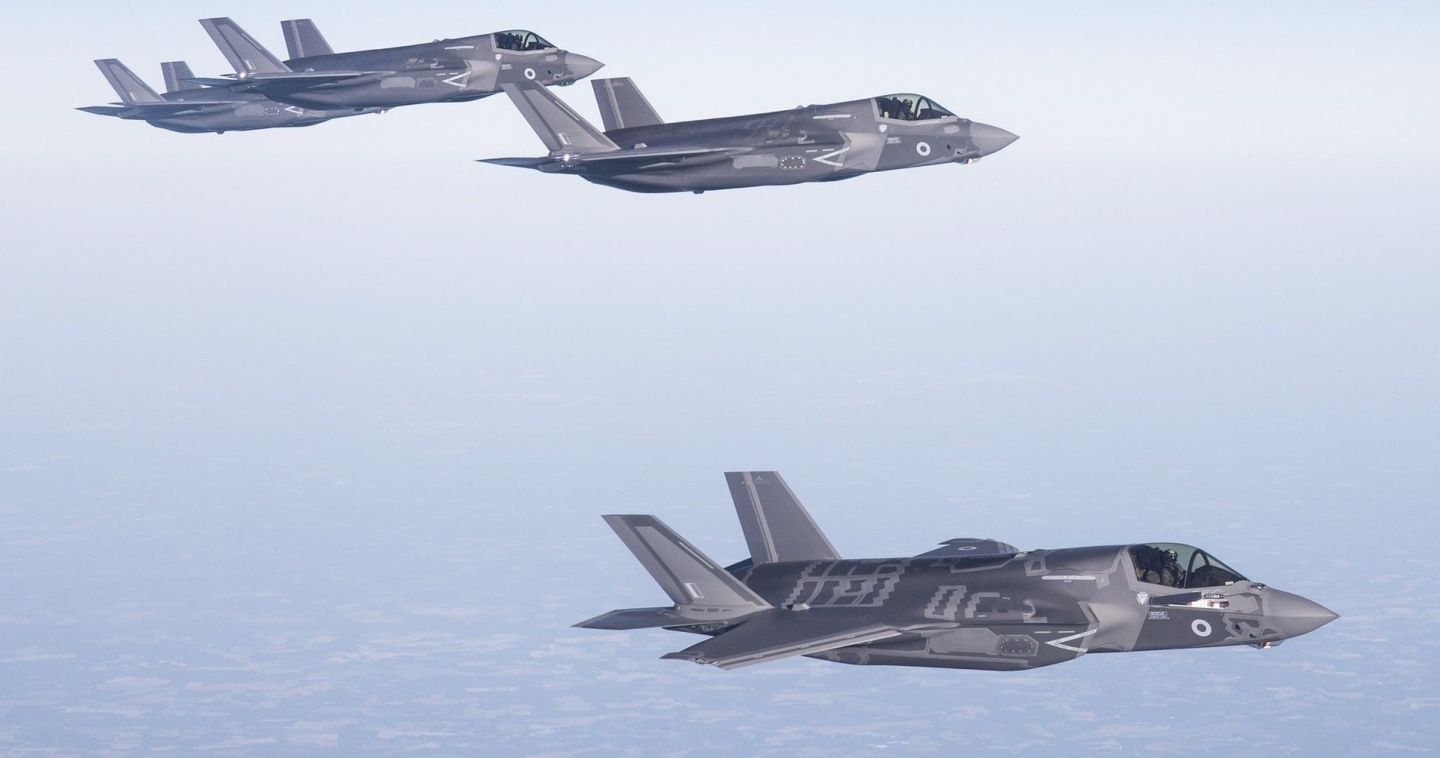
F-35 Stealth Fighters in Formation
The price of Lockheed Martin’s F-35A fifth generation stealth fighter has for the first time fallen to $80 million - a major development in the program representing the manufacturer’s success in achieving lowering operational and maintenance costs to make the platform highly price competitive. This follows on from reports in 2018 that the price of the fighter had dropped to $90 million, another major landmark in the program’s development. The first F-35 batches under low rate initial production in 2007 cost over $200 million per fighter - excluding the cost of the engines - with some estimates placing the cost at little over $300 million in total. This subsequently fell to around $120 million in the mid 2010s when the fighters first began to enter service, though a further fall in acquisition costs to under $85 million by 2020 was seen as critical to the program's success. The scale of F-35 production has been key to lowering its acquisition cost, allowing the program to benefit from economies of scale with over 3000 fighters planned. Lockheed Martin spokesman Mike Friedman stated to this effect: "We currently have an offer submitted to the Department of Defense for Lots 12-14 that is below the 80 million dollars F-35A for lot 14 in 2020, per our longstanding commitment… As we ramp up production, each year we have lowered cost, reduced build time, improved quality and on time delivery.”
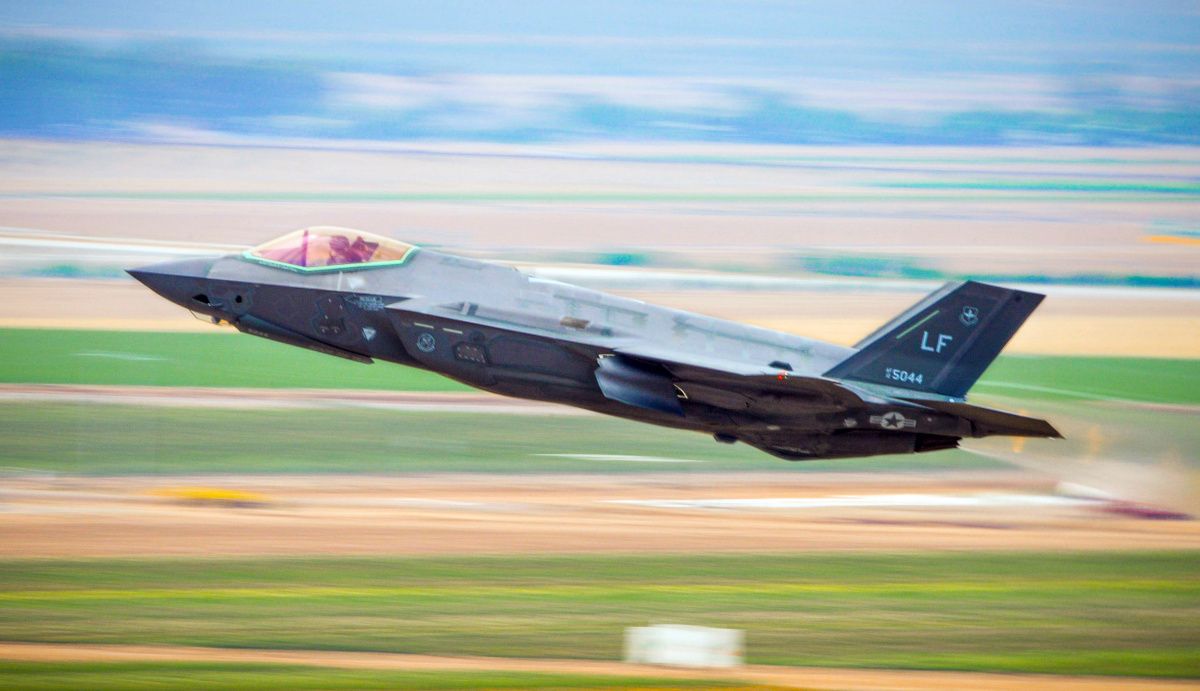
The F-35 is the second Western fifth generation fighter to enter service after the F-22 Raptor, a heavier and far more costly twin engine platform which was acquired in very limited numbers due to the premature termination of production in 2009. The Raptor’s cost, combined with an export ban which prevented its sale to American allies, meant that it could not be manufactured on even a tenth of the scale of the F-35 - and production could not benefit from comparable economies of scale as a result. Unlike the Raptor, which was heavily specialised in high end air to air engagements and never intended to be acquired in large numbers, as a lighter single engine jet the F-35 was intended from the outset to be mass produced on a considerable scale and widely exported - much like its predecessor the F-16 of which over 4,500 have been produced.
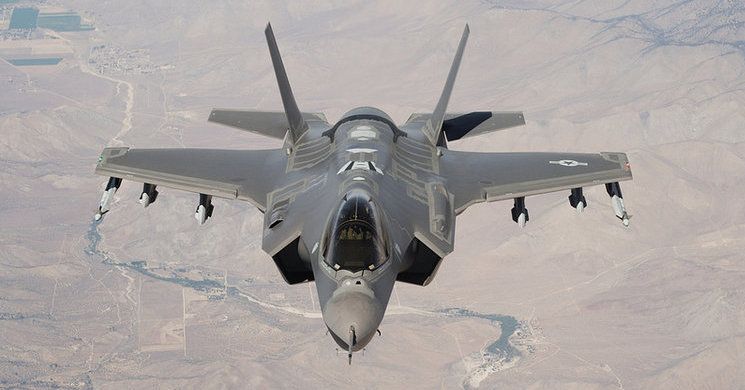
With production of the F-22 terminated at 187 fighters and eight prototypes, the F-35 is currently the only Western fifth generation fighter in production. The efficiency of the U.S. defence sector has allowed the aircraft to underprice older and far less sophisticated European fourth generation fighters currently being promoted for export including the Eurofighter Typhoon, Rafale and Gripen-E - all of which lack the F-35’s next generation capabilities and cost over $100 million. The American stealth fighter is thus expected to price European competition out of export markets, as recently demonstrated by Belgium’s selection of the fighter over the Eurofighter and Rafale despite considerable European pressure not to acquire the American platform. While the F-35’s initially high maintenance and operational costs were cited as a key disadvantage relative to European platforms, this is no longer a major factor due to Lockheed Martin’s success in lowering these considerably.
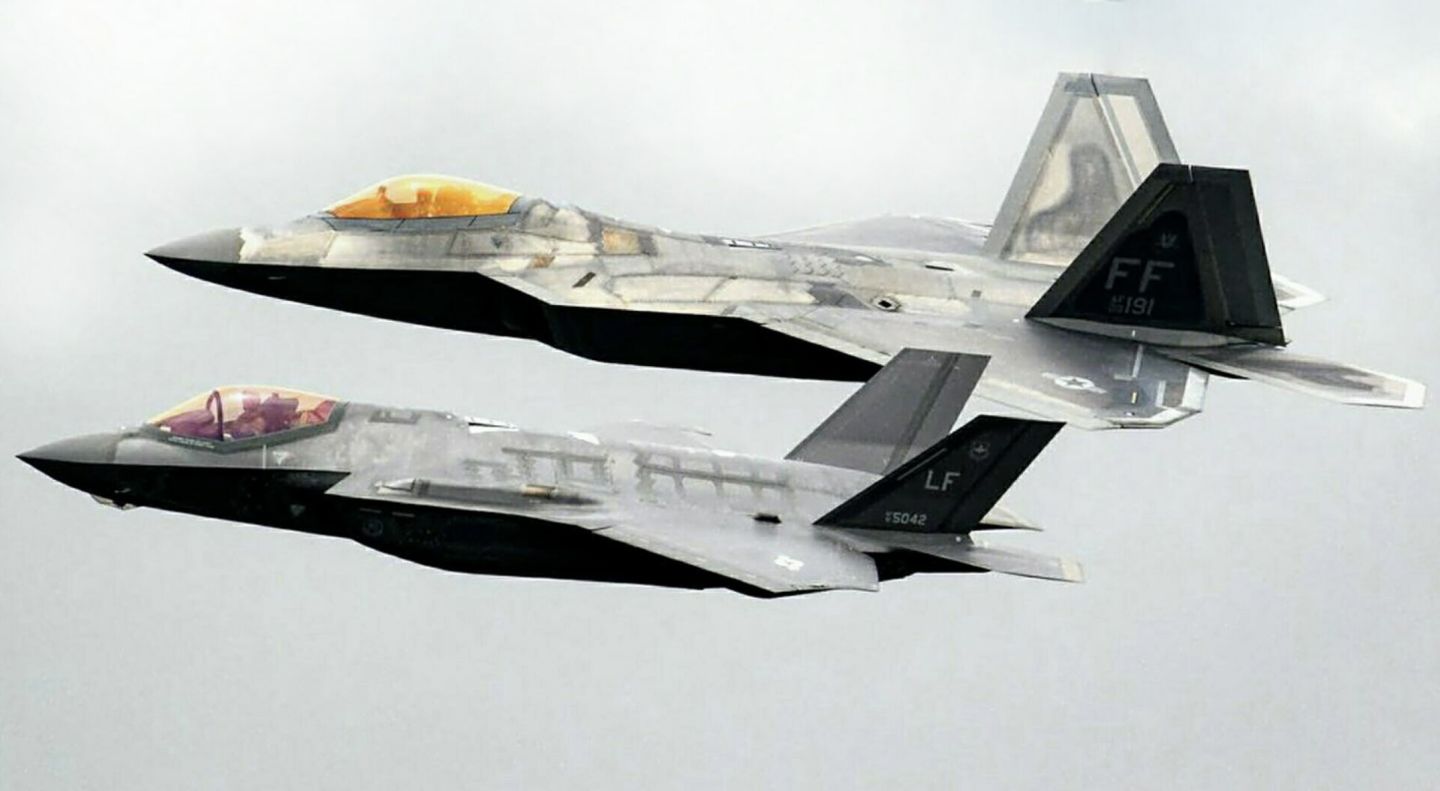
Among the F-35’s capabilities which give it a district advantage over its fourth generation competitors of a similar weight range are its powerful sensors, sensor fusion, radar evading airframe, low heat signature, powerful next generation F135 engine and long range. The platform represents the only single engine lightweight fifth generation fighter ever developed, with the Chinese J-20 and Russian Su-57 both being heavy twin engine designs analogous to the F-22. This combined with its far larger production scale allows the F-35A to undercut the price of even these stealth fighters - despite Chinese and Russian fighters generally costing considerably more than their American counterparts. This may change, however, as the scale of production for the Chinese J-20 continues to grow leading to an expected drop in price. China’s development of lighter fifth generation aircraft, including the J-31 and a yet unnamed export oriented successor to the JF-17 under Project AZM, could potentially undercut the price of the F-35 if manufactured on a sufficient scale. While Russian officials have claimed that the Su-57 is less costly than the F-35 - this was likely in reference to the F-35B or C variants designed for carrier operations, which are produced on a far smaller scale and cost over $120 million each.
