
Deep Concerns in Taiwan After U.S. Abduction of Maduro Sets Precedent For Mainland Chinese Attack
Military Watch Magazine Editorial Staff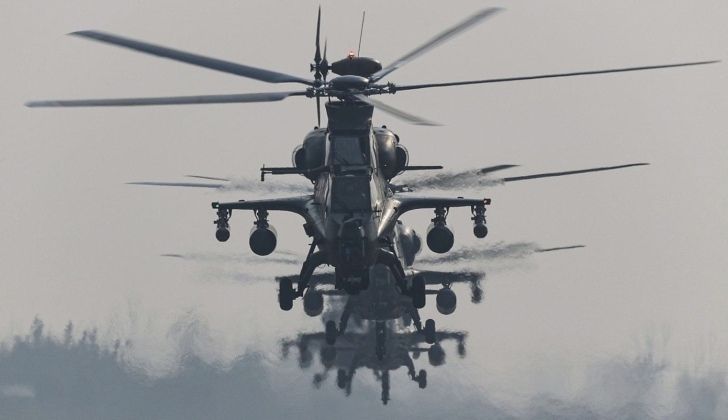
Chinese PLA Z-10 Attack Helicopters
The abduction of Venezuelan President Nicholas Maduro by U.S. Army Delta Force operators on January 3 fuelled considerable concerns in Taipei, the capital of the self-proclaimed Republic of China government, that it could set a precedent for similar operations by the Chinese mainland to reunify Taiwan Island and end the long frozen Chinese civil war. The issue of the need to condemn U.S. actions was quickly raised by legislators in Taipei, with Legislator Lai Shih-pao asking whether, given the United States’ "large-scale attack" on Venezuela and abduction of the president, the People’s Republic of China on the mainland could adopt a similar approach towards the Republic of China based on Taiwan Island. Deputy Minister of National Defence Hsu Szu-chien replied that the Republic of China needed to respond by strengthening its capabilities to deal with such unexpected situations, and that the Ministry of National Defence had made relevant preparations.
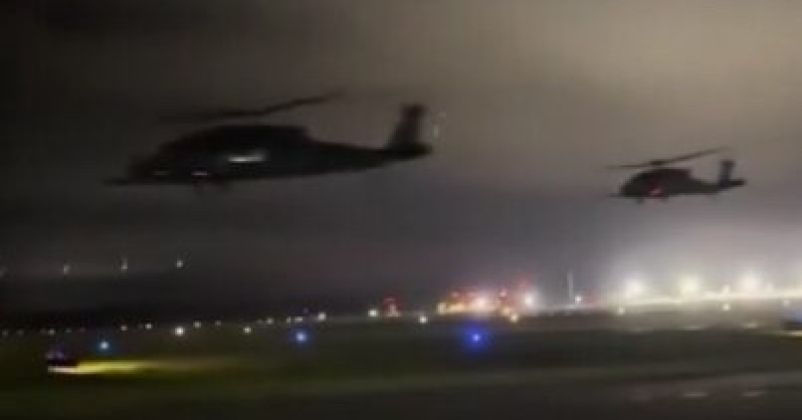
Legislator Lai asked about the Republic of China government's stance on the U.S. attack on its neighbour, to which Minister Hsu replied: "This is not directly related to our national interests." Lai responded: "When Russia attacked Ukraine, we spoke out. We supported Ukraine and condemned the aggression. Isn't this also an act of aggression? Shouldn't you condemn the U.S.’ act of aggression? They fabricated a charge for their own oil interests; how can they go to another country and arrest people?" Minister Hsu responded: “For us, if there are relevant issues, we need to strengthen our own preparations to deal with unexpected situations." The exchange highlighted how Taipei is forced to walk a delicate line between allowing the United States to set an international precedent under which Taiwan Island could be directly targeted, and provoking the United States on which Taipei relies heavily for its security.
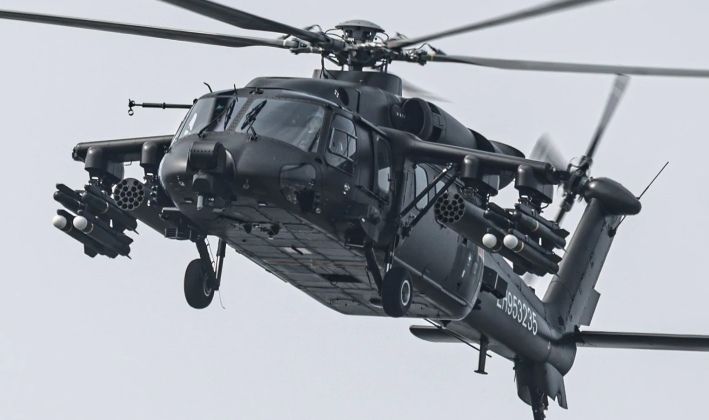
The Republic of China Ministry of National Defence in December 2025 redefined the meaning of a “first strike” in the Taiwan Strait, highlighting in a written report to the legislature that in addition to using joint intelligence, surveillance, and reconnaissance, if the Chinese mainland’s People’s Liberation Army were to launch a sudden attack, all units will implement "distributed control" without waiting for orders, carrying out combat missions under a "de-centralised" operational guidance. In March 2024, then-Minister of National Defence Chiu Kuo-cheng observed that while the traditional definition of the “first strike” by the People’s Liberation Army referred to opening fire, now any crossing of the boundaries between the two rival forces by People’s Liberation Army aircraft would be considered first strike and be met with retaliation. This highlighted the significant concerns regarding the possibility of surprise attacks or other covert actions. Where the U.S. attack on Venezuela is widely considered illegal, Taiwan Island is recognised by the United Nations and all UN member states as a part of China over which Beijing has full authority, making operations to remove self-proclaimed Republic of China forces entirely legal.
