
Redefinition of a ‘First Strike’ in the Taiwan Strait Raises Pressure on Republic of China Air Defences
Military Watch Magazine Editorial Staff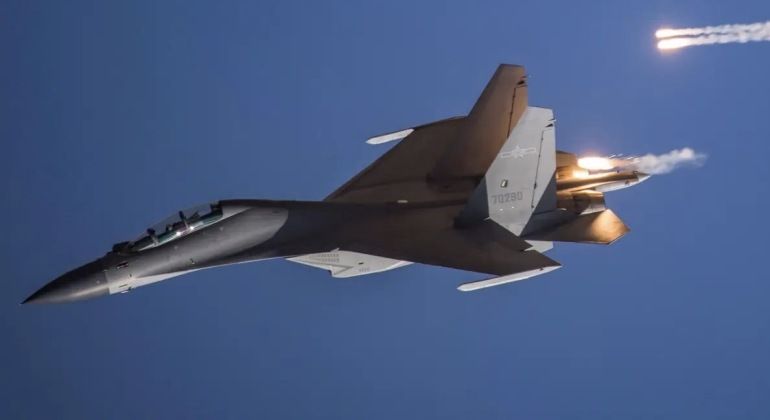
People’s Liberation Army Air Force J-16 Fighter
Growing questions have been raised regarding how the Republic of China (RoC) Ministry of National Defence will define a “first strike” in the Taiwan Strait, as tensions between the two rival Chinese governments, including the RoC based in Taipei, and the People’s Republic of China based in Beijing, remain high. The Republic of China Legislature’s Foreign Affairs and National Defense Committee on December 17 invited the Defence Ministry and the National Security Bureau to report on and answer questions regarding the possibility of “first strikes” being launched in the Taiwan Strait. The written report submitted by the Defence Ministry to the Legislature highlighted that in addition to using joint intelligence, surveillance, and reconnaissance, if the Chinese mainland’s People’s Liberation Army were to launch a sudden attack, all units will implement "distributed control" without waiting for orders, carrying out combat missions under a "de-centralised" operational guidance.
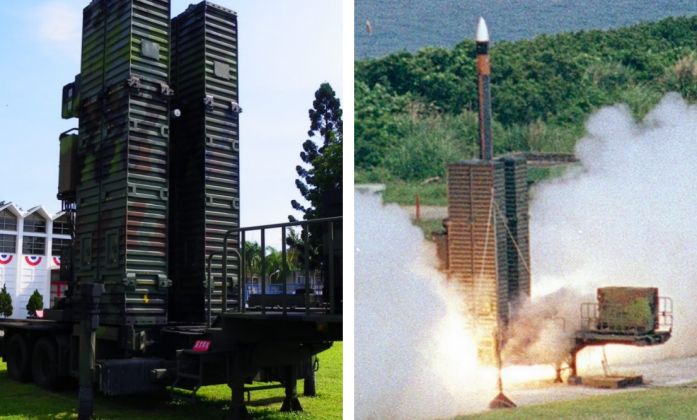
In March 2024, then-Minister of National Defence Chiu Kuo-cheng observed out that while the traditional definition of the “first strike” by the People’s Liberation Army referred to opening fire or shooting, the RoC Defence Ministry had already changed the definition of a first strike. Now any crossing of the boundaries between the two rival forces by People’s Liberation Army aircraft would be considered first strike and be met with retaliation. Regarding the authority to retaliate, a Defence Ministry official revealed that this had been legally granted to frontline commanders, allowing them to take appropriate countermeasures. This also meant that frontline commanders bore the greater responsibility for territorial defence.
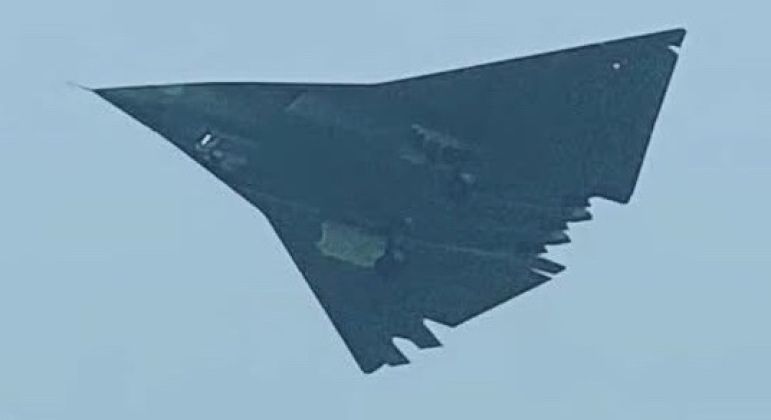
The ability of the Republic of China Armed Forces to wage war in the Taiwan Strait has diminished significantly over the past 35 years, as the mainland’s People’s Liberation Army has emerged as a world leading military power rivalled only by the United States in its capabilities. The discrepancy between the two rival forces can be observed in the air, on land, and at sea, with mainland forces consistently being at least a generation ahead in their capabilities. Taking combat aviation as an example, the mainland began to operate its first fifth generation fighter aircraft in early 2017, and today leads the world in bringing sixth generation fighters into flight testing, some of which are expected to enter service in the early 2030s. The Republic of China’s much smaller defence sector, by contrast, produces only trainer aircraft, and has seen its plans to procure ‘4+ generation’ fighters, namely enhanced variants of the Cold War era American F-16, delayed significantly by the United States. Technological and economic trends indicate that these discrepancies will continue to become more extreme, raising serious questions regarding the viability of the Republic of China Armed Forces to combat an adversary located just 130 kilometres away across the Taiwan Strait.
