
Chinese Coast Guard Begins First Wing Loong II Long Range Drone Patrols Around Taiwan
Military Watch Magazine Editorial Staff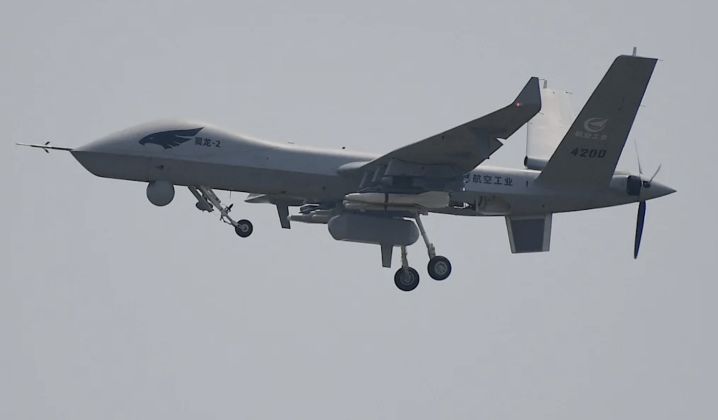
Chinese Wing Loong II Long Range Combat Drone
The Chinese Coast Guard has confirmed the first patrols around Taiwan Island using Wing Loong II unmanned combat aircraft as part of the service’s routine maritime patrol operations. This reflects part of broader trends towards the deployment of advanced surveillance platforms as a central component of its maritime posture outside the main services of the Chinese People’s Liberation Army. The integration of high-altitude, long-endurance unmanned combat aircraft has marked a major change for the Coast Guard, which is better equipped than the majority of the world’s navies, with the Wing Loong II providing a means to reinforce the Chinese mainland’s strategic posture in and around the Taiwan Strait. This deployment reflects a broader shift in Chinese maritime doctrine under the framework of civil-military fusion, under which civilian and paramilitary institutions adopt advanced military technologies to operate in less escalatory means that deployments of the Navy or Air Force, thus allowing for more effective management of escalation.
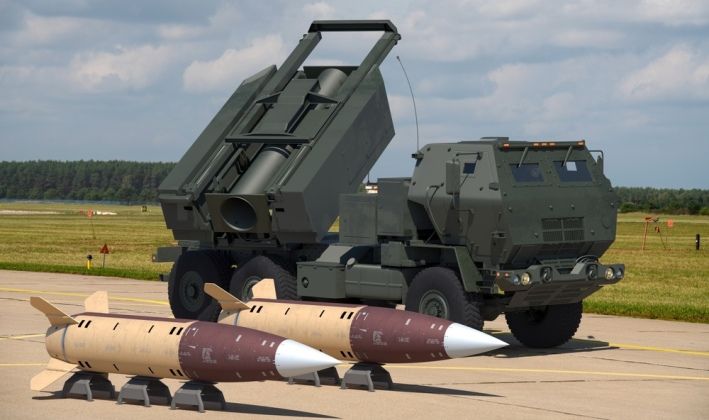
The Taiwan Strait is currently in a state of civil war, with Republic of China government based in Taipei claiming to be the sole legitimate government of the Chinese nation, placing it a state of conflict with the internationally recognised People’s Republic of China government based in Beijing which makes the same claims. Taipei’s strengthening of security cooperation with Western Bloc states, in particularly the United States, has raised concerns in Beijing that Washington and its allies may seek to weaken China by escalating tensions. Marking a major recent development in this conflict, the U.S. Armed Forces earlier in January were confirmed to have gained new authority to coordinate the Republic of China Armed Forces’ ballistic and cruise missile arsenals aimed at the Chinese mainland, with the establishment of a Joint Firepower Coordination Centre in Taipei. U.S. personnel permanently stationed at the facility will oversee planning and potential use of local missile forces, which are being bolstered by transfers of hundreds of ballistic missiles from the United States.
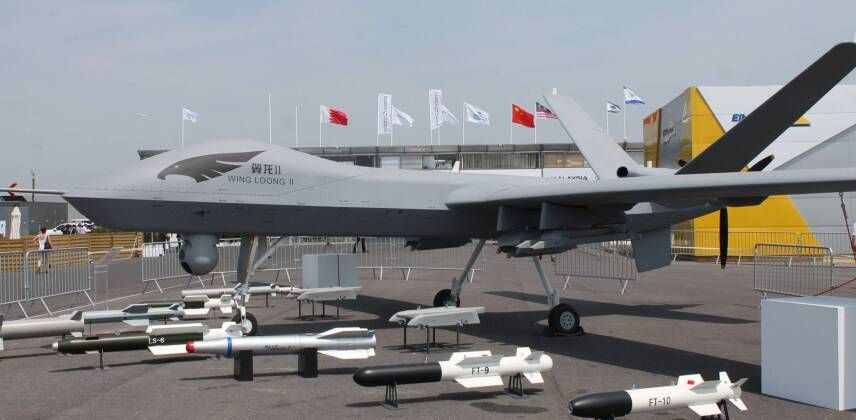
The Wing Loong II is considered particularly well optimised for maritime patrols, and uses satellite data links to operate over ranges of over 4,000 kilometres with an endurance of over 30 hours. This allows sustained intelligence, surveillance, reconnaissance (ISR), and support missions without frequent returns to base. The aircraft has a versatile sensor suite, with its integrated electro-optical/infrared imaging and synthetic aperture radar paired with real-time data links that feed information collected back to command networks. The ability to maintain a persistent presence in the airspace around the Taiwan Strait is expected to provide invaluable intelligence on Republic of China and supporting U.S. and Singaporean forces based on Taiwan Island. Alongside its reconnoissance roles, the Wing Loong II is also capable of combat operations, and has been developed into a number of specialised variants, including the new Wing Loong X which is the world’s first unmanned aircraft capable of detecting, tracking, and engaging submarines independently.
