
British Attack Submarine Availability Falls to Landmark Zero Percent as Maintenance Issues Worsen
Military Watch Magazine Editorial Staff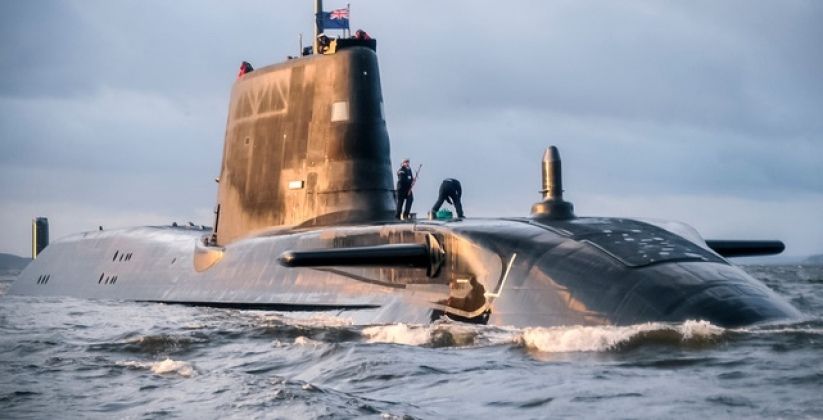
British Royal Navy Astute Class Nuclear Powered Attack Submarine
The British Royal Navy’s entire fleet of attack submariners is currently out of service, with all five sups currently in port undergoing maintenance or repair, highlighting worsening fleet readiness issues. Former First Sea Lord Admiral Alan West warned that the situation leaves the United Kingdom appearing “toothless” at a time of increasing Russian naval activity in the North Atlantic and Arctic. Tensions with Russia remain high, with the United Kingdom being actively engaged in the Russian-Ukrainian War including with ground force deployments to combat Russian forces. The attack submarine fleet has been one of the most important parts of the British Armed Forces, with the country’s ground forces, destroyer fleet, and fighter fleet having all declined very significantly over the past 20 years, increasing the degree to which submarine capabilities are depended on for power projection.
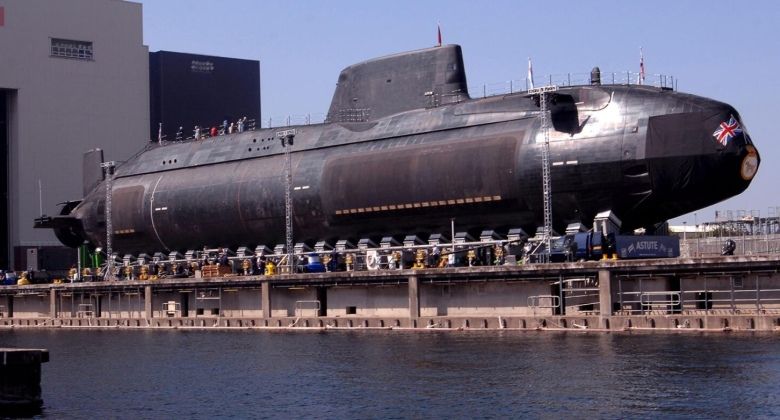
The current zero percent availability rate in the attack submarine fleet is in large part the consequence of years of strain on Britain’s maintenance and industrial infrastructure, which has resulted in outstandingly long refit periods, limited dockyard capacity, and shortages of skilled personnel. The resulting maintenance backlogs have significantly reduced operational availability. Defence commentators have argued that while the United Kingdom fields advanced submarines, which according to several analysts remains the only major area where its defence sector still manufactures technologically world leading products, the supporting industrial base has struggled to keep pace with the demands of sustaining a modern nuclear fleet.
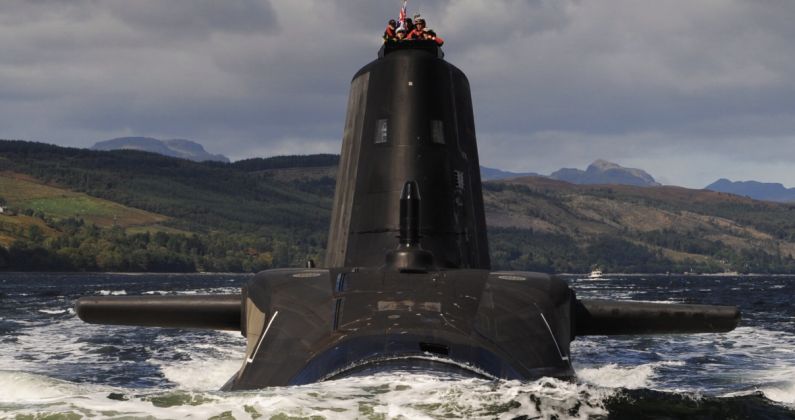
Despite its prioritisation for funding, the British nuclear attack submarine fleet has faced a prolonged decline, with the fleet of just five ships being a fraction of the dozens of vessels fielded in the late Cold War years. Years of budget cuts, austerity, and a decline in efficiency as a result of sharp contraction of the industrial base, have affected all major areas of the Armed Forces. The submarine fleet has been less affected due to its very high priority status, but has still been left highly constrained and with a much lower international standing than in previous years. The reduction in numbers means that maintenance overruns or unexpected repairs have a disproportionate impact on operational availability, and leaves little margin for error when several enter refit simultaneously.
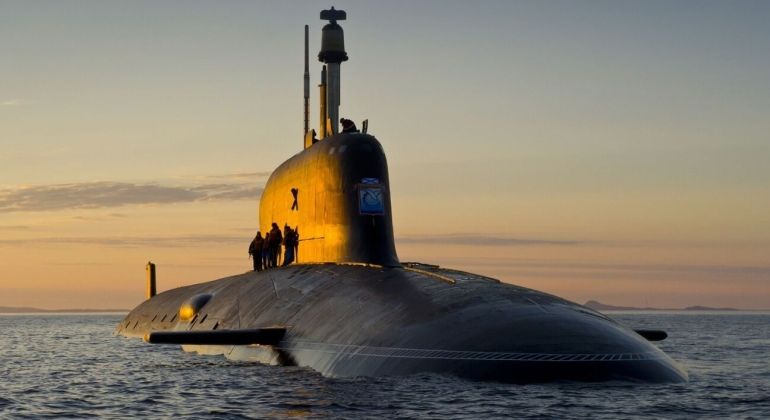
The falling of availability rates to zero percent follows a warning by former director of nuclear policy at the Ministry of Defence Rear Admiral Philip Mathias in December that the United Kingdom was no longer capable of running its nuclear submarine program, as he stated that years of mismanagement had seriously eroded fleet availability rates and a wide range of other performance metrics. The former admiral argued that the fleet has suffered from “shockingly low availability” rates, with budget cuts and a “huge failure” in the management of key personnel having exacerbated issues. “The UK is no longer capable of managing a nuclear submarine program… Performance across all aspects of the program continues to get worse in every dimension. This is an unprecedented situation in the nuclear submarine age. It is a catastrophic failure of succession and leadership planning,” he observed.
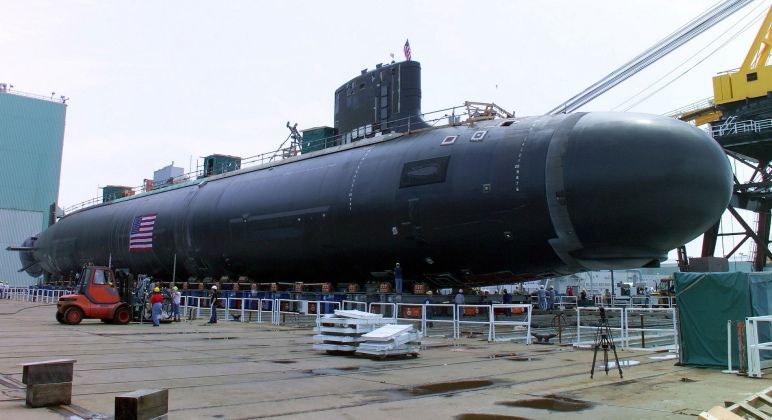
Commenting on the commissioning of the sixth Astute class ship HMS Agamemnon into service in September, Admiral Mathias observed: “the uncomfortable truth is that she took over 13 years to build – the longest-ever construction time for a submarine to be built for the Navy.” He was far from isolated in his observations, with Simon Case, the official overseeing British submarine construction plan, having in November 2025 informed the parliamentary defence committee that “decades of neglect” had severely weakened the industry. “Somehow we became the world’s most embarrassed nuclear nation,” he concluded. The Astute class submarine program has suffered from severe delays and cost overruns, with the vessels costing costing close to $2 billion each, and taking several years longer to produce than many much larger more advanced submarines built abroad. The consequences of this decline for British power projection capabilities remain highly significant, with the United Kingdom currently being actively involved in supporting war efforts against both Iran and Russia, while pledging to also support the U.S.-led military buildup against China and North Korea in East Asia.
