
Britain to Cut F-35 Orders By 65% Amid Economic Crisis - Reports
Military Watch Magazine Editorial Staff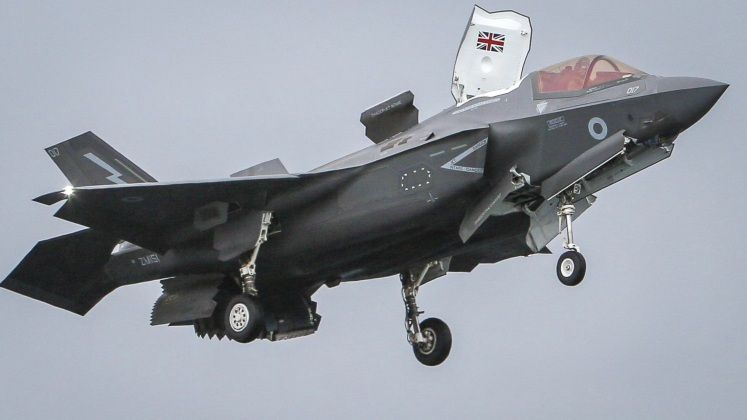
British Royal Navy F-35B Fighter
The British Armed Forces are reportedly expected to make deep cuts to planned orders for F-35B fifth generation fighters, with a decline in the value of British pound from 2016 and an ongoing economic crisis being among the factors which have placed the country’s defence budget under greater strain. Britain was previously the largest client for the F-35 other than the United States with 138 aircraft on order, and notably placed orders exclusively for the F-35B variant of the fighter which is the most expensive by a considerable margin both to operate and to produce. The F-35B benefits from short takeoff and vertical landing capabilities which allow it to deploy from makeshift runways and from aircraft carriers, although its combat performance is notably inferior to other F-35 variants with a smaller payload, shorter range and lower manoeuvrability. Britain was previously expected to purchase 138 of the aircraft.
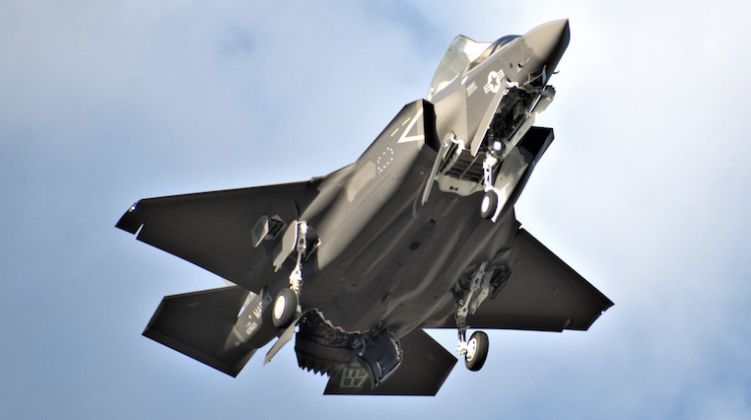
Deep cuts to the British defence budget in the 2010s dealt a serious blow to the country’s military capabilities, and a severe economic crisis from 2020 has led to growing expectations that defence spending will at the very least see no significant increases over the coming decade. Britain’s Sunday Times reported that the planned size of the F-35 fleet could be cut by 65%, which followed a report by the UK Defence Journal near the end of 2020 that it could be cut by 50%. There have also been several calls from within the British Armed Forces to revise acquisition plans and invest in the much cheaper F-35A variant, although it is likely that a lower portion of these aircraft could be built in Britain and the fighters would be unable to deploy from the country’s two carrier warships. The possibility of leasing one of the two carrier to the U.S. Navy due to a shortage of F-35s has also been raised, although the U.S. Marine Corps has operated its own F-35B fighters from British carriers to make up for the shortage in numbers. The nature of cuts to the British fighter fleet, which also include the possible early retirement of a portion of its fourth generation Eurofighter jets, is expected be clarified in the government’s next defence review.
