
Britain’s Royal Navy May Never Field Destroyers Again After 2038: Why The Type 45 Could Be the Country’s Last
Military Watch Magazine Editorial Staff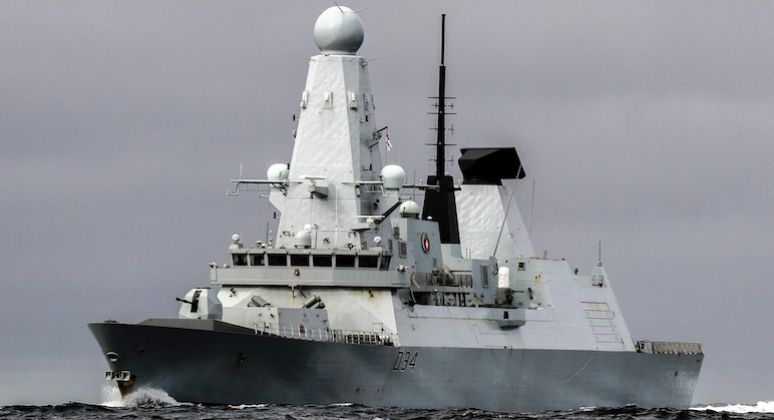
British Type 45 Class Destroyer
Britain’s Royal Navy is scheduled to retire its fleet of six Type 45 Class destroyers between 2035 and 2038, according to a recent statement by the Minister of State for the Ministry of Defence Jeremy Quin. Despite commissioning two heavy aircraft carriers in 2017 and 2019, Britain’s ability to escort them without allied support has been repeatedly called into question. Its Type 23 Class frigates increasingly considered obsolete and leaving much to be desired relative to rival foreign designs, while the Type 45 Class is fielded in small numbers and suffers from low availability rates due to persisting maintenance issues. Although the commissioning of the Type 26 Class frigate later in the decade will partially mitigate this problem, continuing shortages of funds means there are currently no plans for a new destroyer class to replace the Type 45, and there is a high chance given current economic trends that they will be the British Royal Navy’s last surface combat ships heavier than a frigate. The Type 26 Class frigate, a much lighter ship, is expected to eventually replace the Type 45, meaning the fleet will be less diverse but also likely easier to maintain and much cheaper to operate. Although 12 Type 45 Class destroyers were originally planned, budgetary constraints were the primary cause for halving the size of the fleet. To place the small size of the British fleet in perspective, China launches 8-10 destroyers per year from its shipyards, while Japan and South Korea field 40 and 12 respectively despite smaller defence budgets.
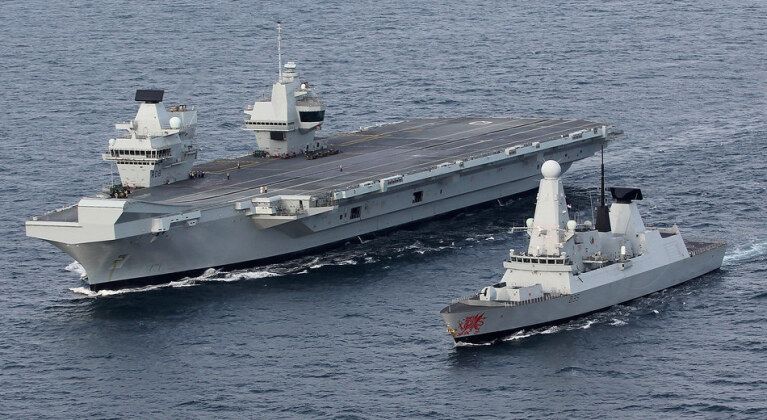
Type 45 Class destroyers displace 8,500 tons each, making them significantly larger than the 6,900 ton Type 26 Class ships and much more heavily armed. Each of the British destroyers integrates 48 vertical launch cells for missiles, as well as eight launchers for Harpoon short range anti ship cruse missiles. The Type 26, despite being a very new design, deploys just 36 launch cells. The firepower of both ships is relatively modest for their sizes, with the American Arleigh Burke Flight III Class destroyers having a comparable displacement to Britain's Type 45 but deploying twice as many vertical launch cells at 96. China’s Type 052D Class destroyer, which is lighter at 7,500 tons, has 64 vertical launch cells. Aside from persistent maintenance and reliability issues, the Type 45 is at a significant disadvantage when compared to the AEGIS destroyers deployed primarily by Japan, South Korea and the U.S., as their vertical launch cells are restricted to exclusively deploying Aster surface to air missies.
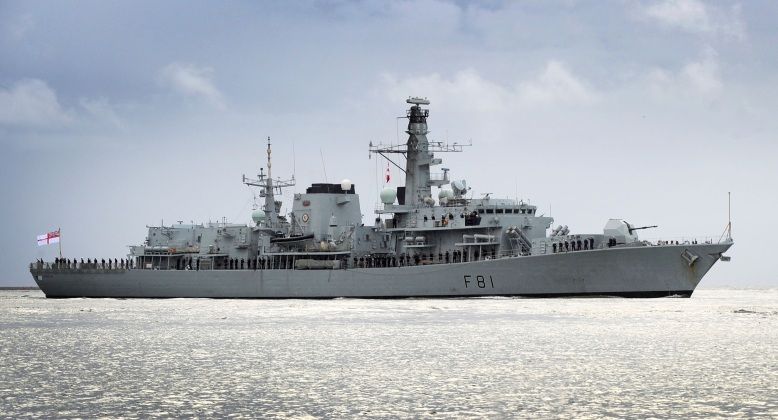
Not only are Aster missiles fewer in number, but they are also slower and have much shorter ranges than the SM-3 and SM-6 surface to air missiless deployed by AEGIS ships. The Aster 30 has a maximum range of 120km, while the SM-3 and SM-6 have respective 1,200km and 240km ranges. Furthermore, the AEGIS system allows U.S. and allied warships to deploy a range of missiles for roles beyond air defence from their vertical launch systems such as the Hyunmoo-3 and Tomahawk land attack cruise missiles, while the Type 45 is relegated to operating in a single role. China’s Type 052D and Type 055 Class ships bear many similarities to AEGIS destroyers and similarly enjoy major advantages in firepower, engagement range and versatility. Ultimately the lagging capabilities of British destroyers, combined with their very high costs and high maintenance requirements, means the country is unlikely to build more. The Type 45 Class were commissioned between 2009 and 2013, meaning for the last two ships in the class they all have a service life of just 25 years before their retirement.
