
Britain Plans Resuming Nuclear Fuel Production for Expanded Attack Submarine Fleet
Military Watch Magazine Editorial Staff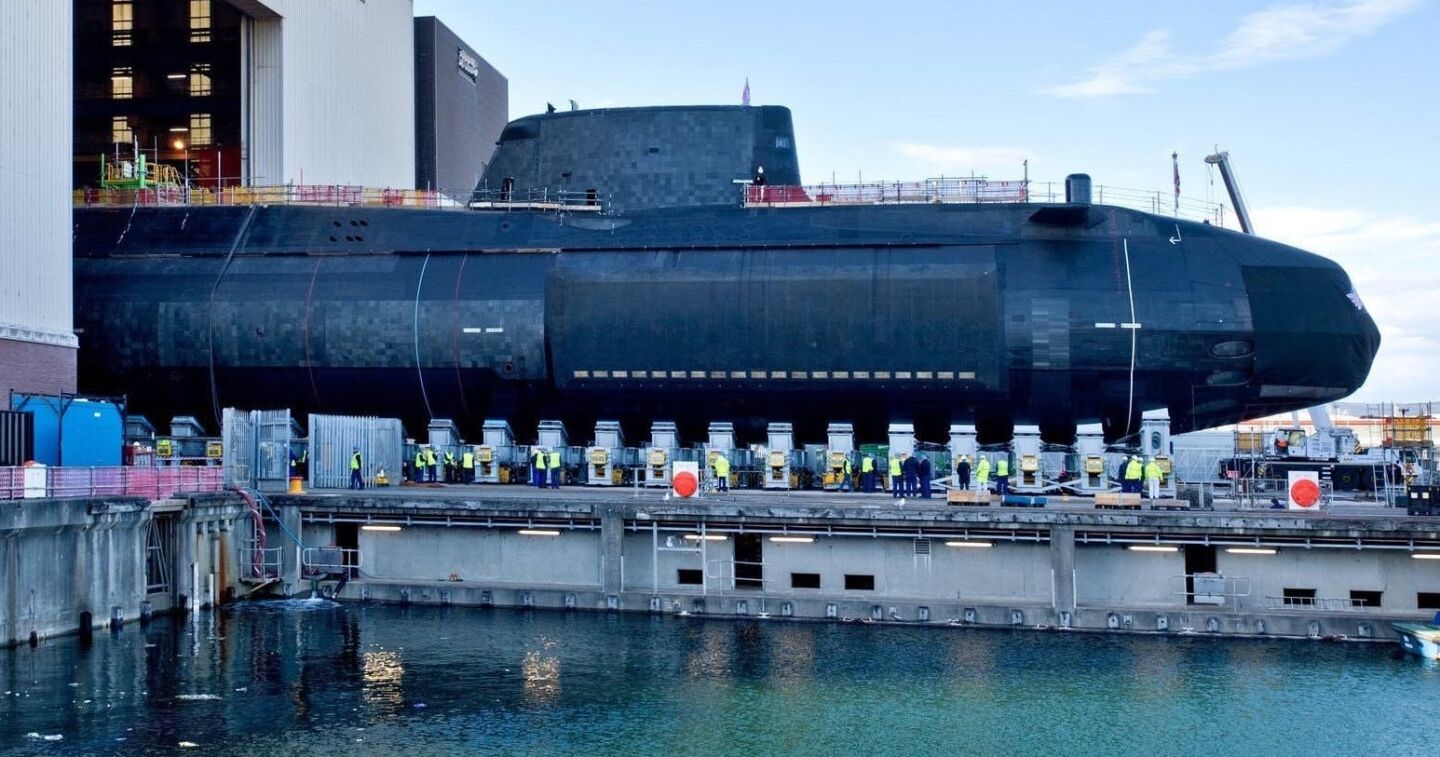
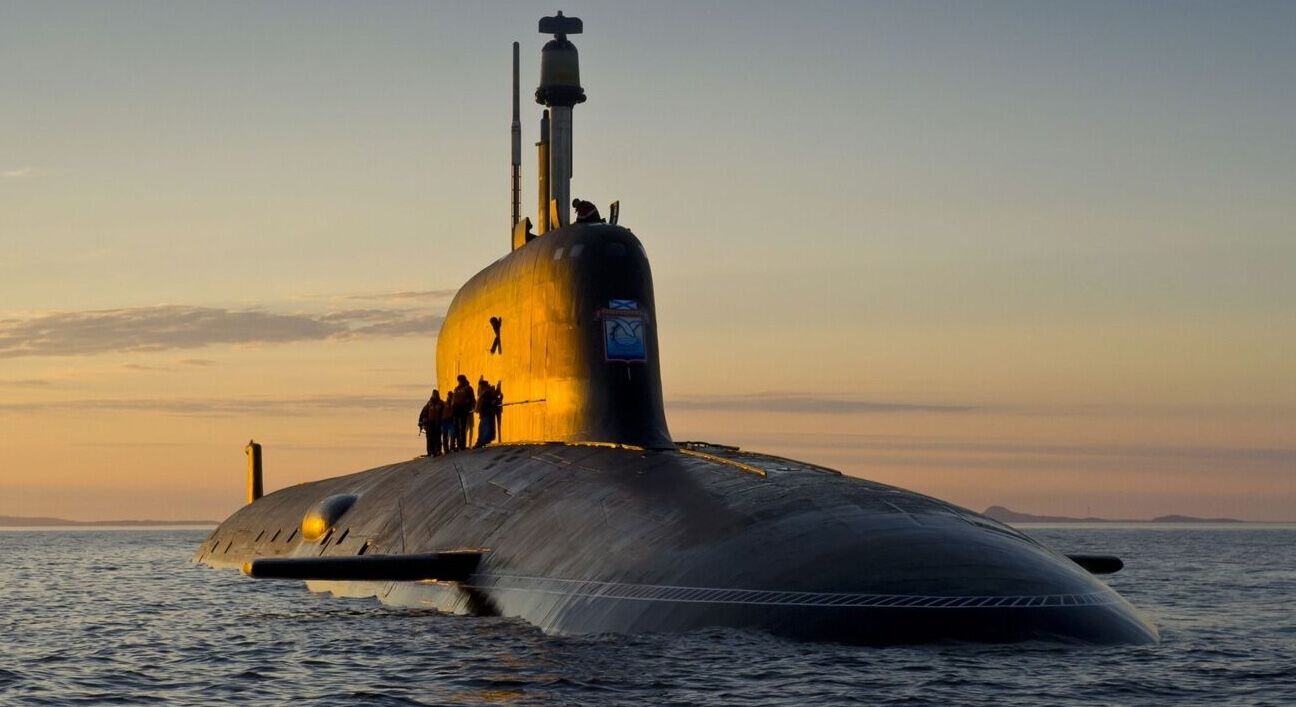
British Royal Navy Astute Class Nuclear Powered Attack Submarine
Britain is exploring the re-establishment of a domestic nuclear fuel cycle to produce reactor fuel for its military nuclear propulsion programme, marking a potential return to a capability that the country has not maintained for decades. The initiative forms part of a broader effort to expand and secure the UK’s Defence Nuclear Enterprise as it prepares to build a new generation of nuclear-powered submarines. The Nuclear Fuels Programme is currently at an early development stage, with the government engaging with industry to assess the technologies and facilities required for the different stages of the fuel cycle.
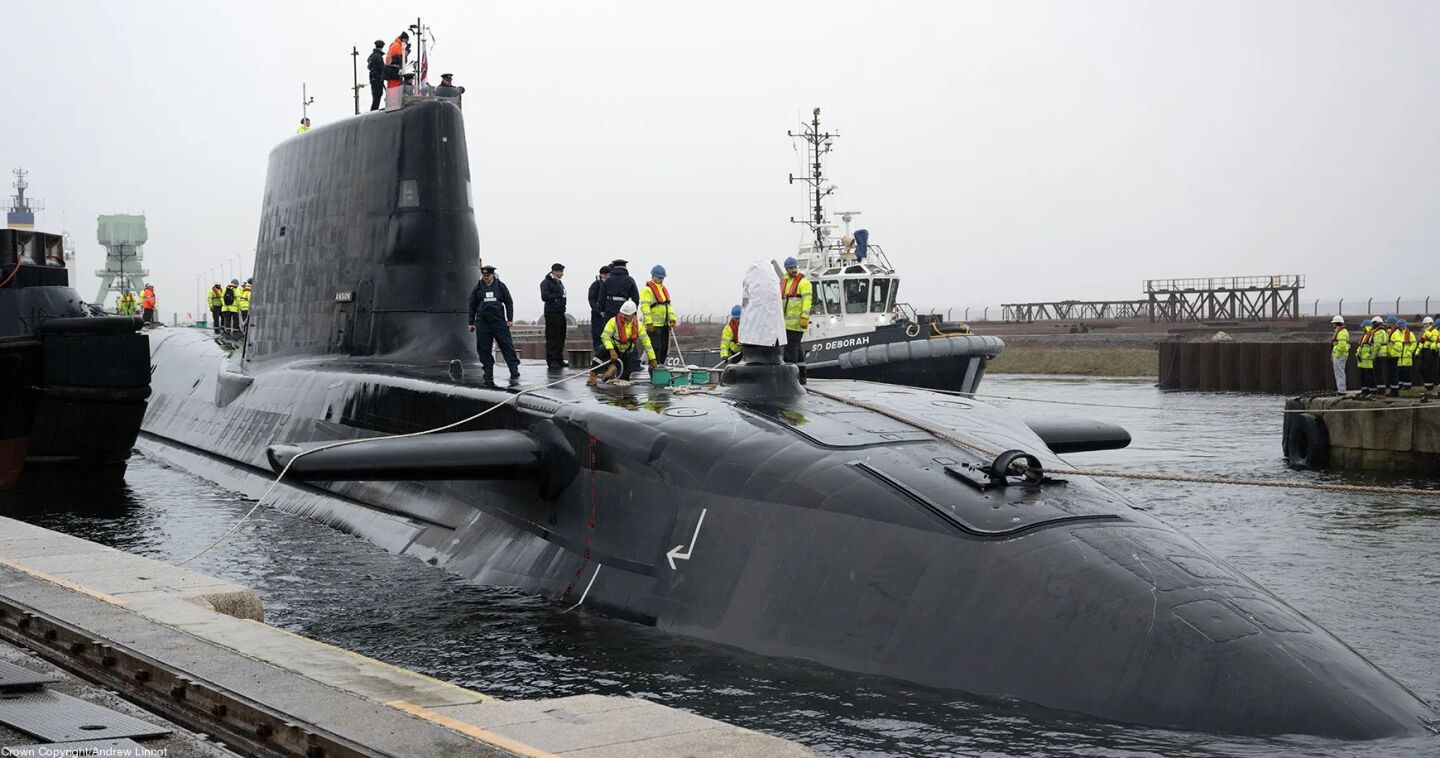
Britain previously produced enriched uranium for defence purposes at Capenhurst in Cheshire, but domestic production subsequently ceased. The country has since relied on existing stocks for fuel used by its nuclear-powered submarines. Re-establishing domestic production would therefore represent a significant change in how Britain supports the nuclear propulsion systems that underpin its submarine fleet. The proposed fuel program is being presented primarily as a measure to secure the long-term sustainability of the submarine force.
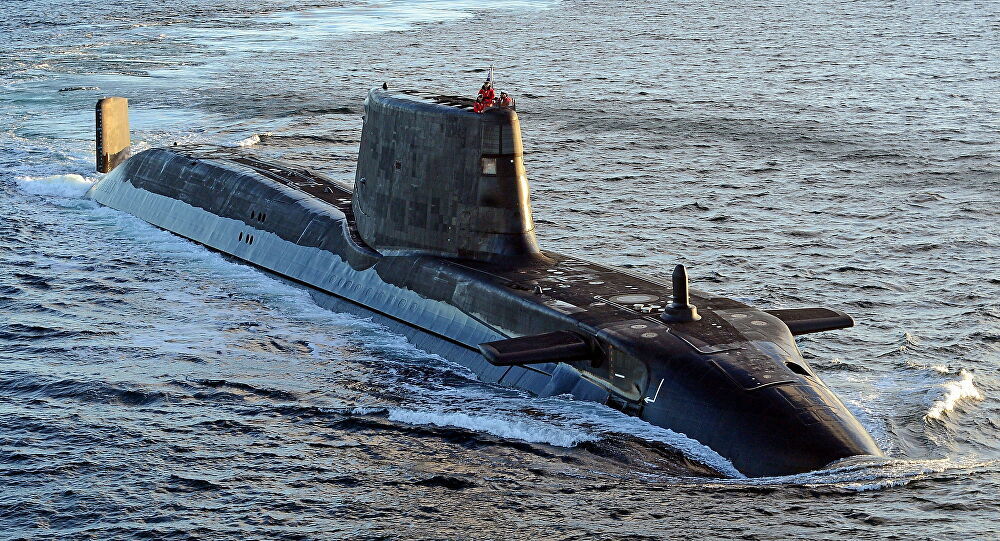
Planed investments in supporting the submarine fleet are being considered at a time when the state of the fleet has attracted widespread criticism. The availability rate of the Royal Navy’s nuclear-powered attack submarine fleet fell to zero twice in 2026, with all of the service's Astute class submarines currently being under maintenance. This has been particularly controversial due to the British Armed Forces’ ongoing involvement in multiple conflicts, including supporting the U.S.-led campaign against Iran, actively deploying ground forces to combat Russian forces in Ukraine, and targeting Russian civilian shipping.
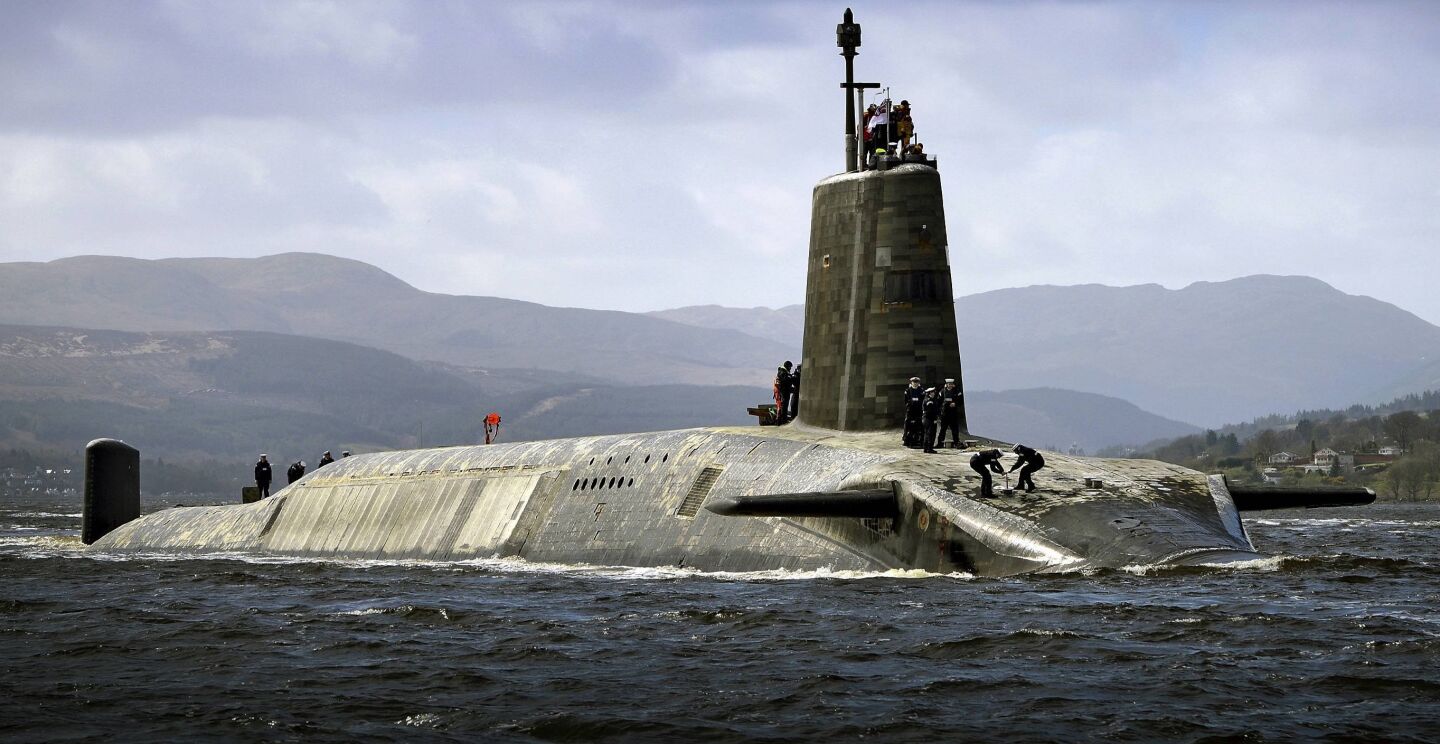
In June 2025 it was confirmed that the British Ministry of Defence was planning to finance an expansion of its fleet of nuclear-powered attack submarines to more than double its size a part of the latest Strategic Defence Review. Development of a next generation attack submarine class is expected to take place under the SSN-AUKUS program. Astute Class attack submarines are estimated cost the Ministry of Defence over $2 billion each, and when accounting for both inflation and the much higher projected costs of next generation ships with new generations of propulsion, quieting, communications and weapons technologies, the SSN-AUKUS ships are expected to cost well over $3 billion each. The much larger number of vessels that will be fielded will not only have significantly greater sustainment costs, but will also require greater investments in supporting infrastructure, raising questions regarding the program’s affordability.
Commenting on the United Kingdom’s limited ability to sustain its submarine fleet, former director of nuclear policy at the Ministry of Defence Rear Admiral Philip Mathias in December 2025 warned that the country was no longer capable of running its nuclear submarine program. “The UK is no longer capable of managing a nuclear submarine program… Performance across all aspects of the program continues to get worse in every dimension. This is an unprecedented situation in the nuclear submarine age. It is a catastrophic failure of succession and leadership planning,” he concluded. The admiral observed that years of mismanagement had seriously eroded fleet availability rates and a wide range of other performance metrics, and stressing that the fleet has suffered from “shockingly low availability” rates, with budget cuts and a “huge failure” in the management of key personnel having exacerbated issues.
