
Biden Administration Makes First New B-52 Nuclear Bomber Deployment to East Asia Since 2018
Military Watch Magazine Editorial Staff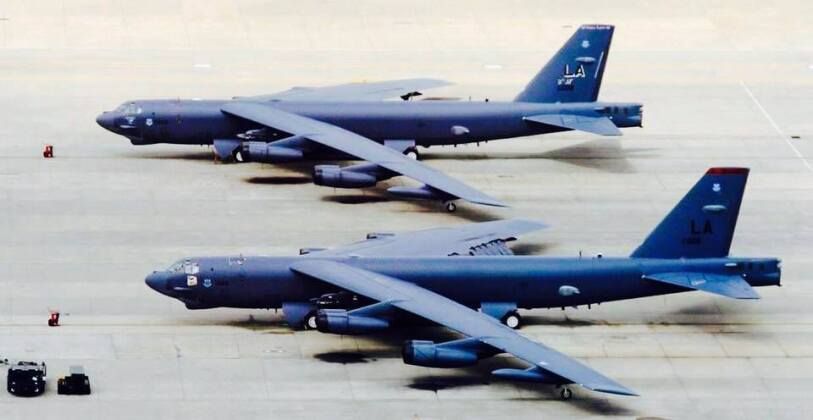
U.S. Air Force B-52H Nuclear Capable Heavy Bombers
Less than ten days into the new administration of President Joe Biden, the U.S. Air Force has deployed B-52H nuclear capable heavy bombers to East Asia for the first time since 2018. The bombers were previously deployed to the region during the 2017 standoff between the U.S. and North Korea, which ended with the Korean side test firing two new classes of nuclear capable missile capable of striking the U.S. mainland and Washington subsequently relaxing military pressure while Pyongyang paused conspicuous missile testing. The bombers' withdrawal the following year followed negotiations between Pyongyang and Washington and the first one-to-one meetings between their leaders. The return of the B-52 to the region comes as the new Biden administration is expected to take a much harder line against both North Korea and China, which will be the primary targets of its foreign policy offensives. Four of the bombers are currently deployed to Andersen Air Force Base on Guam, and will reportedly be conducting ‘strategic deterrence’ missions from there.
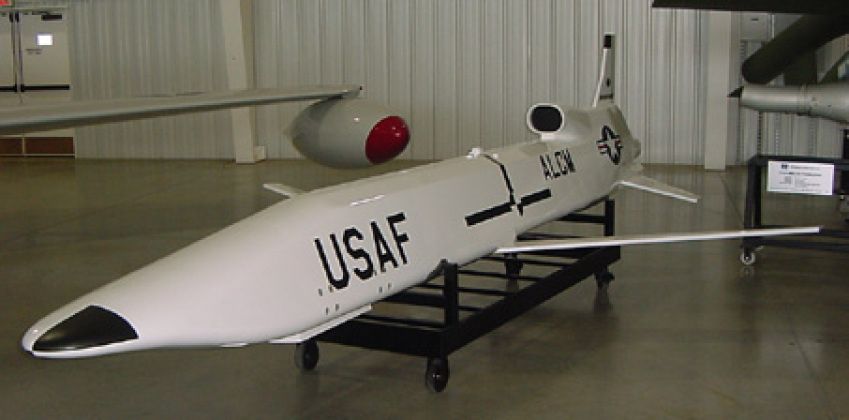
The B-52 saw its first flight in 1952 and entered service with the U.S. Strategic Air Command as the B-52B from 1955. The B-52H is the most capable variant of the venerable bomber and dates back to the 1960s. It incorporates eight TF33-P-3 turbofan engines, a new ‘wet’ wing with integral fuel tanks for a longer range, a shorter tail fin, an enlarged nose radome, ejection seats and new fire control systems. Although effectively obsolete for dropping gravity bombs against any remotely modern adversary, the aircraft have been enhanced not only with new engines, electronic warfare systems and avionics, but also with a range of new standoff weapons allowing them to engage targets at extreme ranges with both nuclear and conventional missiles. Arguably the bomber’s most dangerous munition is the AGM-86 missile, of which each deploys 20 in standard configuration, with each missile able to be used to deliver nuclear, conventional, penetrative or fragmentation warheads at ranges of over 2,500km - over ten times the range of most modern long range air to air or surface to air missiles. The B-52H has more recently been equipped with a new external weapons pylon which increases its external payload from approximately 4,500kg to over 18,000kg.
