
Ballistic Missile Submarines in the Chinese Navy; Developing a Second Stage Nuclear Deterrent - Part One
Military Watch Magazine Editorial Staff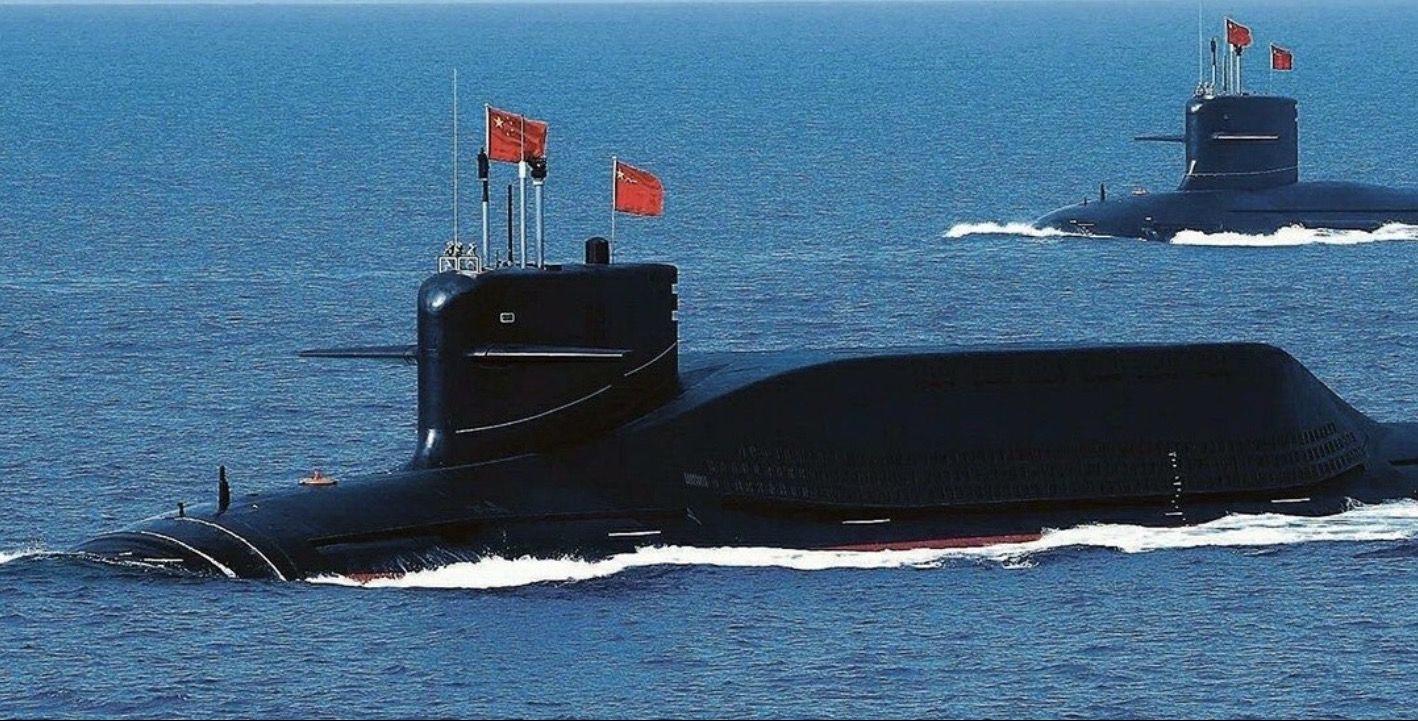
PLA Navy Type 094 Ballistic Missile Submarine
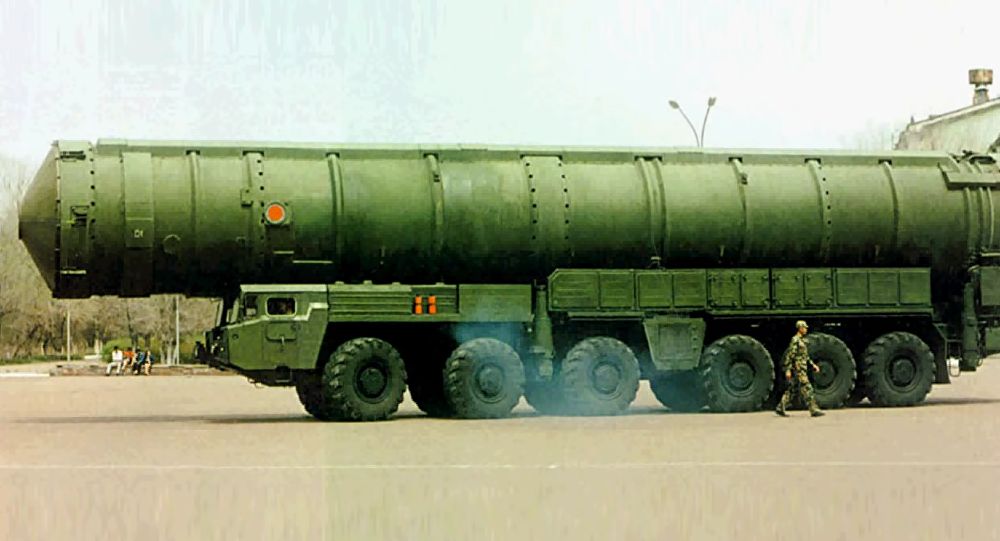
With China’s People’s Liberation Army (PLA) facing growing tensions with the United States and a number of European power as the Western Bloc expands its military presence in the Pacific, Beijing has invested heavily in modernising its nuclear triad to strengthen its deterrence capabilities. While China remains a major nuclear power, its arsenal of approximately 250 warheads is dwarfed by those of Russia and the United States which field over 7,000 each. The PLA has thus invested heavily in strengthening its nuclear delivery capabilities with all new missiles, aircraft and warships inducted to delivery nuclear strikes as efficiently as possible - providing an effective force multiplier for its arsenal. Platforms such as the DF-41 intercontinental range ballistic missile, DF-26 and DF-21 intermediate range ballistic missiles and a number of new cruse missile and bomber platforms have all been developed to strengthen the Chinese deterrent - with weapons systems designed for both tactical and strategic uses. Alongside these other delivery systems, the PLA has also invested heavily in deployment of what is perhaps the most survivable part of its deterrence force - the Navy’s nuclear powered ballistic missile submarines.
The world's first ballistic missile submarine, the Zulu IV class, entered service in the Soviet Navy in 1955 and was capable of deploying navalised variants of the Scud A missile armed with nuclear warheads. The warship was followed by several more sophisticated platforms developed by the USSR and the United States throughout the Cold War, which would come to form a key part of both superpowers’ nuclear triads. Their high survivability compared to ground based missile silos made them invaluable assets, able to deliver nuclear retaliation even if ballistic missiles on the ground were destroyed in a first strike and providing what came to be known as a 'second strike capability.’ The development of these weapons systems was viewed as essential by both superpowers to deter adversaries from attempting to wipe out their nuclear arsenals in a first strike - guaranteeing nuclear retaliation. Ballistic missile submarines are allocated an entirely different role to smaller and lighter attack submarines, with the latter designed to sink enemy warships and strike ground targets with conventional or tactical nuclear warheads - where larger ballistic missile platforms are designed primarily to strike adversaries with heavier strategic nuclear warheads - most often thermonuclear ones with yields several orders of magnitude greater.
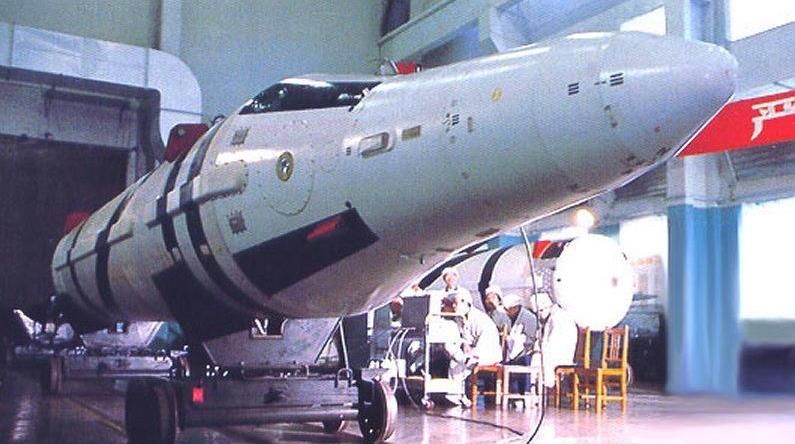
China’s People’s Liberation Army Navy was relatively late to develop ballistic missile submarines, relying instead on heavy bombers and crude ballistic missiles for most of the Cold War to maintain its nuclear deterrent. While the Navy was able to acquire a number of diesel powered attack submarines, they relied primarily on Soviet technology to develop a small defensive force to protect Chinese coasts. The country’s first ballistic missile platform, the Type 092 Xia Class, was laid down in 1978 at Bohai Shipyard in Huludao and was by far the largest submarine ever deployed in China’s history at the time. The Xia Class was completed three years later, a massive 120m warship deploying 12 JL-1 ballistic missiles and powered by a pressurised-water nuclear reactor - giving it a near unlimited range. Only a single warship of the class would be completed, which was seen as sufficient for the modestly funded PLA at the time to deter attacks by providing a nuclear second strike capability.
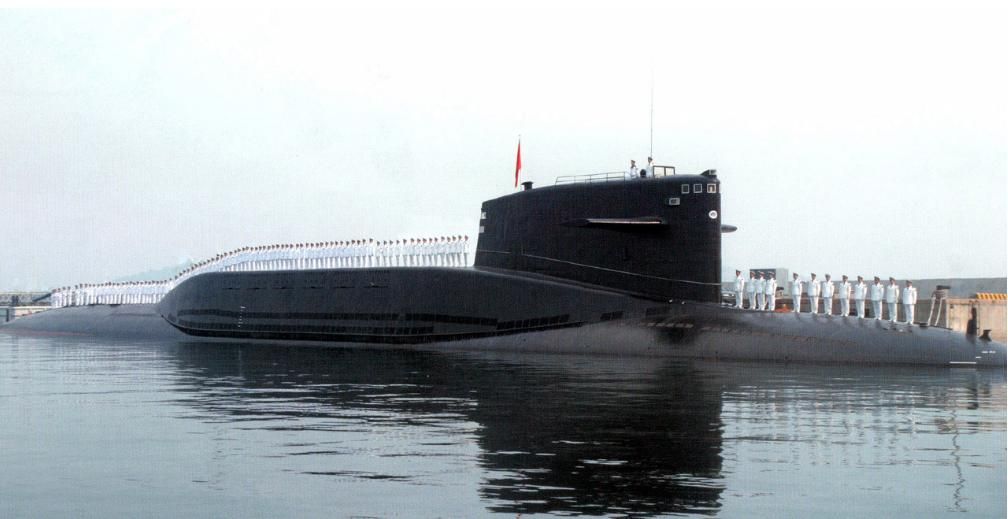
The Type 92 remains in service until today, and has since its commissioning been fitted with a more advanced Type H/SQ2-262B sonar, an improved longer ranged ballistic missile, the JL-1A, new black paint and quieting technologies to enhance its survivability. Designing and upgrading the warship provided the PLA Navy with a stepping stone from which to develop more advanced vessels as China’s fast growing economy facilitated a larger defence budget. The warship saw extensive use as a testbed for technologies which would be used on other PLA ships.
Continued in Part Two
