
Backfire Down; Russian Tu-22M3 Swept Wing Bomber Crashes - Three Crew Killed
Military Watch Magazine Editorial Staff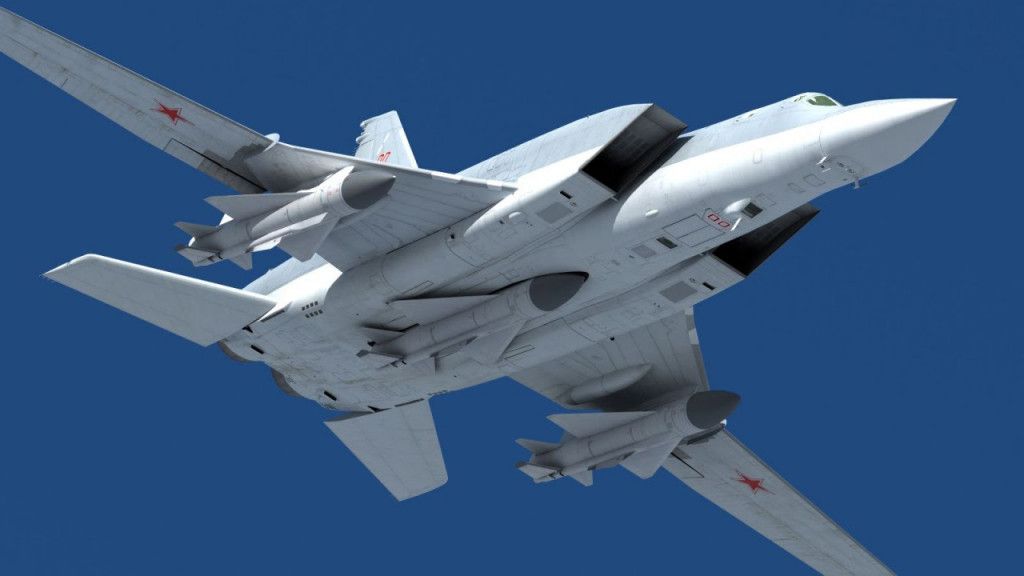
Tu-22M Backfire Swept Wing Bomber
In the second crash of a high end Russian combat aircraft in January, shortly following the collision of two Su-34 strike fighters on January 18th, a Russian Air Force Tupolev Tu-22M3 bomber has crashed in Russia’s northwestern Murmansk region killing three of its four cmrewmemvers. The supersonic swept wing bomber reportedly crashed at Olenegorsk airbase, though the causes of the incident have yet to be reported. Reports from Russian law enforcement officials indicate that a combination of bad weather conditions and pilot error are to blame. According to the Ministry of Defense the bomber was not carrying weapons at the time of the accident, and was returning after a training flight over the Arctic region.
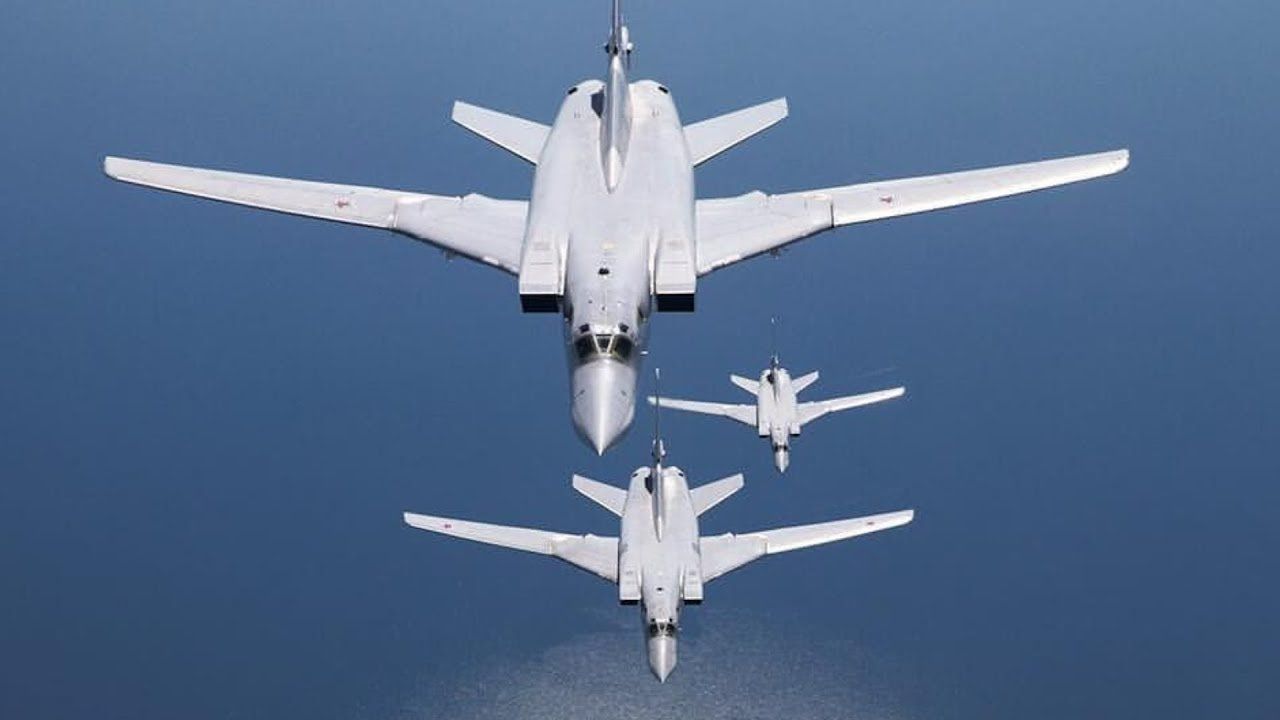
Tu-22M Swept Wing Bombers
Over 60 Tu-22M bombers are currently in service in the Russian Air Force, though well over a hundred are though to be in reserve having been retired following the disintegration of the Soviet Union. With the Russian defence budget having contracted considerably since, modernising and operating such a large number of bombers became unfeasible - forcing the country to rely on a considerably smaller fleet. The Tu-22M3 represents a considerable upgrade over the original Tu-22M, which first entered service in the Soviet Air Force in 1972, and the bombers remain highly lethal and sophisticated due to upgrades to their electronics and avionics and the capabilities of the new weaponry they have been modified to deploy.
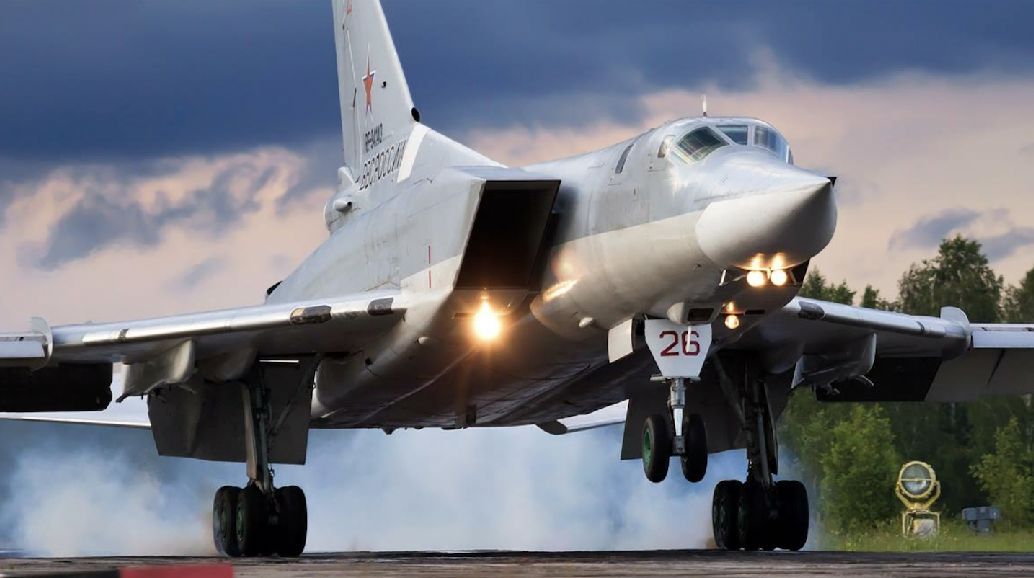
Tu-22M Swept Wing Bomber
The latest iteration of the Tu-22M, the Tu-22M3M saw its first flight in December 2018 and retains some of the most advanced capabilities of any bomber in the world. Approximately half of the Tu-22M3 bombers currently in service are expected to be upgraded to this standard - representing a further contraction in the Russian bomber fleet as older variants are eventually retired in favour of a more elite but smaller force. The new bombers will deploy powerful NK-32-02 engines, the same as those deployed by the Tu-160M, and will see 80 percent of its avionics either upgraded or replaced entirely. The bombers will receive new electronic warfare systems, an NV-45 phased array radar, an full glass cockpit, and the ability to deploy Kh-47M2 Kinzhal hypersonic ballistic missiles.
