
Hellducks Down; Russian Su-34 Strike Fighters Crash Over Sea of Japan - Airframes Salvageable
Military Watch Magazine Editorial Staff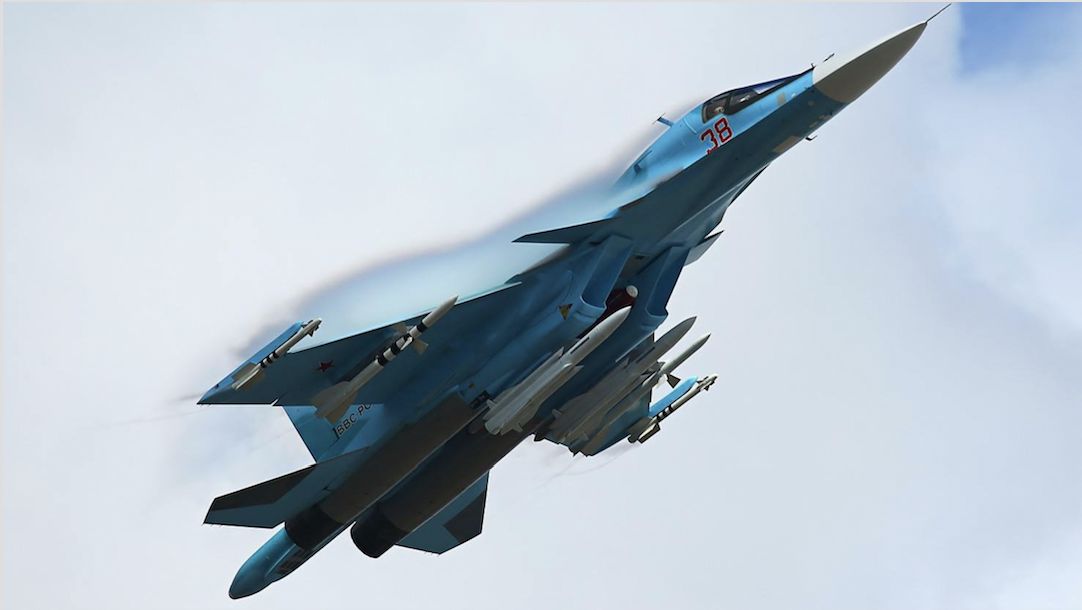
Russian Air Force Su-34 Strike Fighter
On the morning of January 18th 2018 two of the Russian Far Eastern Air Defence Forces’ Su-34 ‘Hellduck’ strike fighters collided while conducting manoeuvres over the Sea of Japan. The two aircraft reportedly momentarily made contact 35km away from the Russian coast, though their airframes did not sustain serious damage. The two fighters were reportedly salvageable, and the military has since attempted to recover the fighters. The Russian Defence Ministry stated regarding the incident: "The aircraft crews have ejected. An An-12 and two Mi-8 helicopters from the search and rescue forces are searching for the pilots in the area where they ejected. The planes performed the flight without ammunition.”
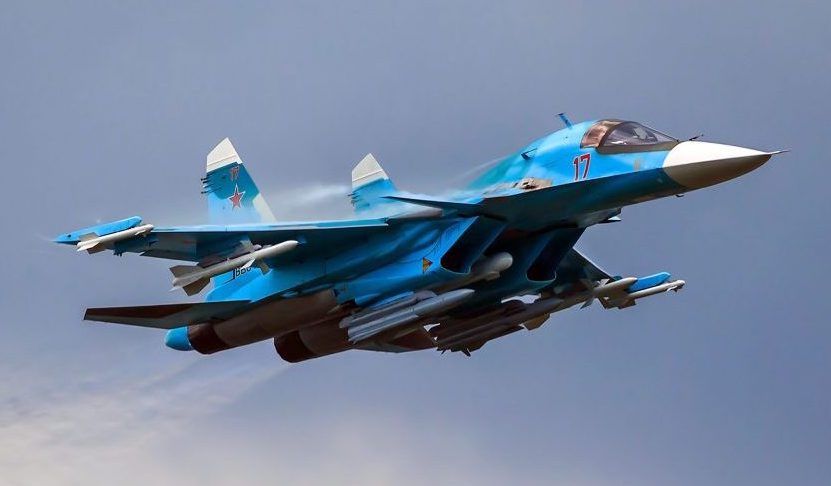
Su-34 Strike Fighter
Since its entry into service in 2014, the Russian Air Force has strongly prioritised production of large numbers of Su-34 strike fighters to modernise its air to ground capabilities - fulfilling a complementary role to that of heavy bombers such as the Tu-160 and Tu-95. As of 2019, it is estimated that over 120 Su-34 fighters are in service - and these platforms have been equipped with some of Russia's most capable standoff munitions from Kh-65Se and Kh-SD air to ground cruise missiles to Mach 3.5 sea skimming Kh-31A. The aircraft made their debut in Syria, where they continue to play a considerable role in Russian counterinsurgency operations against a number of Islamist groups. The Hellduck performs a comparable role to the U.S. Air Force's F-15E Strike Eagle, though it is considerably more specialised in a strike role and less well suited to air to air combat than its American counterpart. Coming at a fraction of the cost of the Su-35, a high end ‘4++ generation’ air superiority fighter which entered service the same year, the Su-34 had been acquired in far larger numbers by the Russian Air Force. This is a result the far greater urgency of modernising the Russian strike fleet relieve to the air superiority fleet, as while the country retained considerable high end air superiority capabilities before the introduction of the Su-35 with the deployment of fighters such as the Su-30, the country’s only strike fighter - the Su-24 - was fast ageing and in serious need of replacement. Given the importance of the Su-34 for the Russian military and the perceived urgency of enlarging the fleet, should the Russian Air Force fail to recover its two lost Hellduck strike fighters it would represent a considerable setback for the country’s plans to modernise its strike capabilities.
