
Arguments for a 60% Cut to America’s Supercarrier Fleet Strengthened by Millions in Damages From USS Gerald Ford’s Toilet Problems
Military Watch Magazine Editorial Staff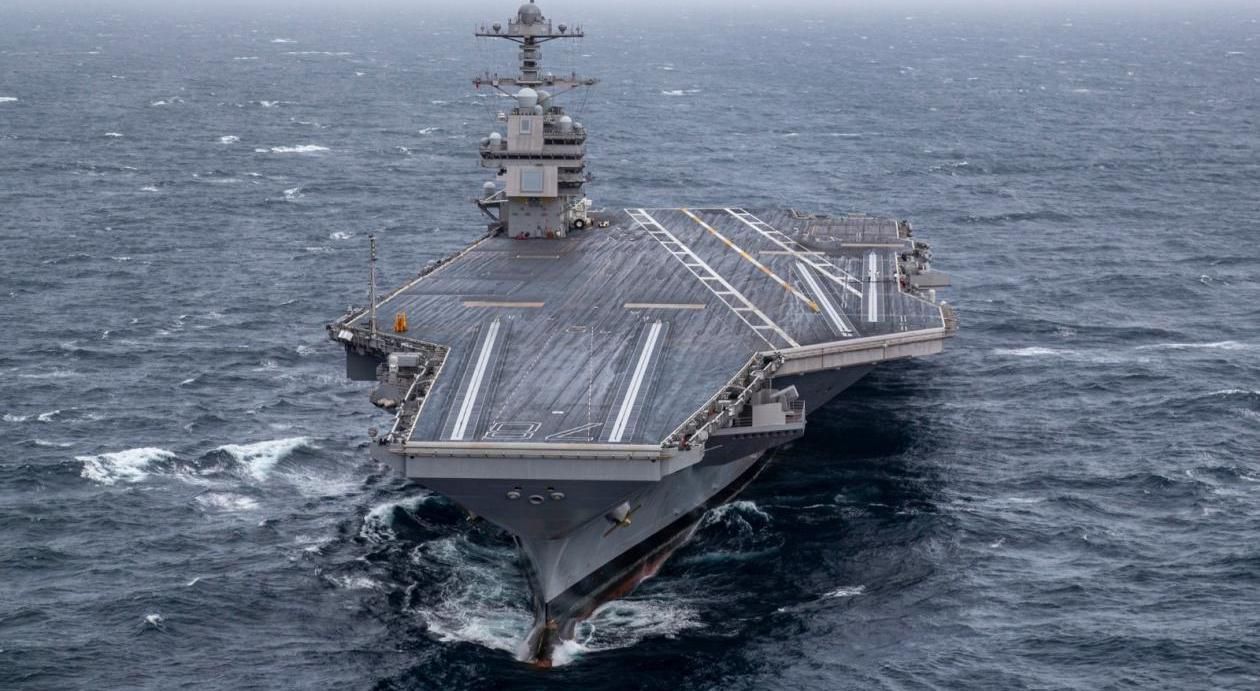
U.S. Navy Supercarrier USS Gerald Ford
Following reports in early March that the U.S. Navy was seriously considering terminating all plans for additional orders for Gerald Ford Class suprecarriers, which would mean just 40% of the warships initially planned would be delivered, an embarrassing new issue with the warship class would emerge in the final week of the month. Adding to multiple critical issues with the performance of the Ford Class ships, from lifts to catapult systems and sensors, a serious design flaw with the sewage pipes has seriously clogged the system. Pipes are reportedly far too thin to accommodate quantities of sewage from 4000 sailors, which has required a regular flushing of the ship’s entire sewage system with acidic substances costing $400,000 dollars per flush. Unless the pipes are replaced, these costs will be incurred by the navy on a regular basis.
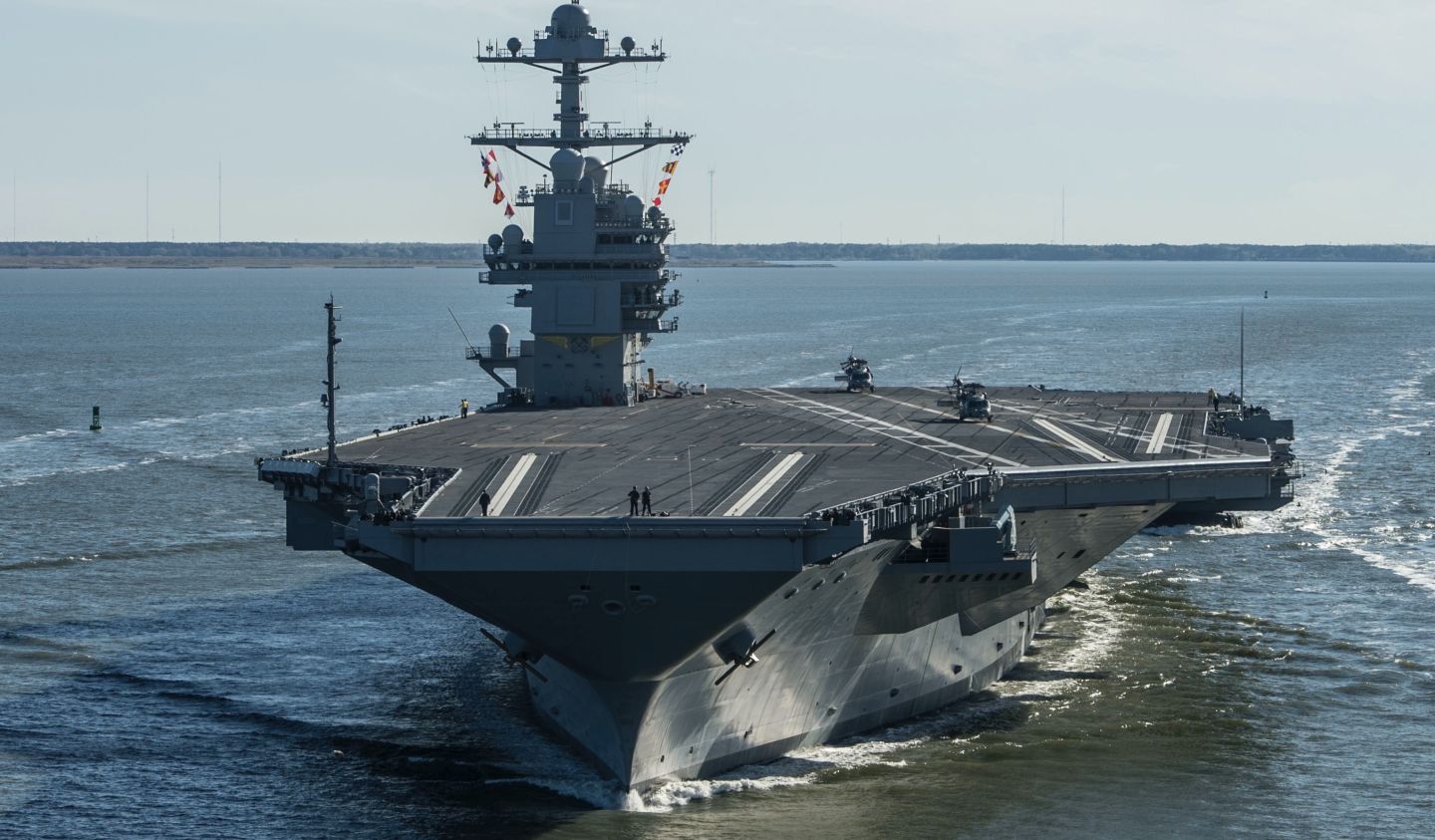
Alongside the questionable continued feasibility of supercarriers against near peer adversaries such as China, Russia and North Korea, severe issues with the Gerald Ford Class supercaarriers has fuelled calls to terminate the program prematurely. It can be expected that the recent issues with sewage will only strengthen the argument for cancelling future orders for the warships. Director of the Government Accountability Office’s (GAO) Contracting and National Security Acquisitions department Shelby Oakley stated regarding the issue: “The Navy is kind of in this little conundrum right now with regard to trying to do everything it needs to do to get the amount of ships that it thinks it needs, but also maintain and sustain the ships that it already has.”
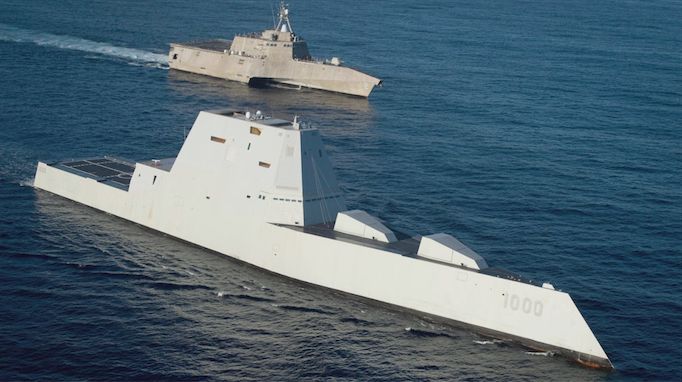
The sewage issue is one of over 150 maintenance problems the USS Gerald Ford has suffered since its commissioning on May 31st 2017. It has hardly proved an isolated issue, with the Navy’s two other major new surface warship programs the Zumwalt Class destroyer and Littoral Class combat ship facing even greater problems. GAO senior analyst Laurie Fisher stated regarding service members’ response to the recent issues: “What struck us in our audit work in talking with the sailors and the engineers, and the spare parts logisticians, and various other members of the fleet maintenance operations community is just how frustrated they are with the condition of some of the new ships that they’re asked to operate.”
