
Analysts Reject Ukraine’s Claim of Attack on Russia’s Oreshnik Missile Launch Site
Military Watch Magazine Editorial Staff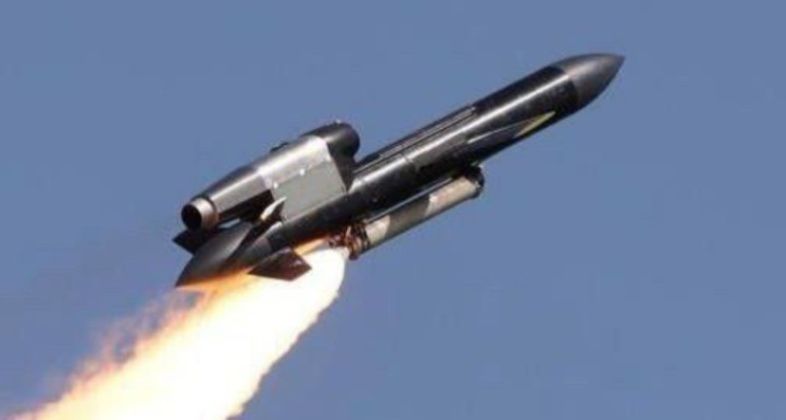
Ukrainian Flamingo Cruise Missile launch
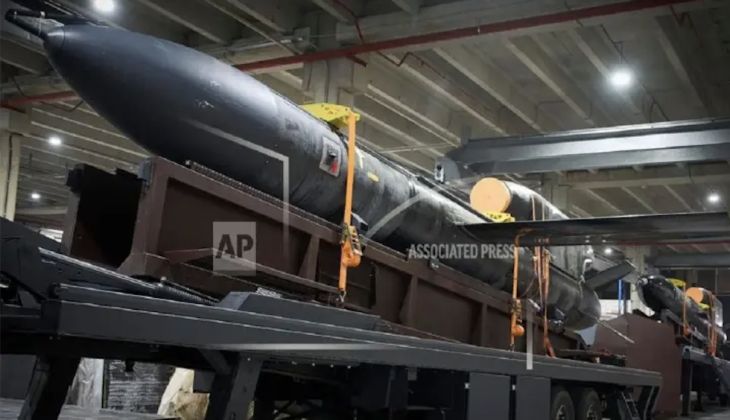
Ukrainian sources have claimed that Ukraine’s domestically developed FP-5 Flamingo cruise missile was used to launch successful deep strikes against infrastructure at the Kapustin Yar Test Range, which has been closely associated with the testing and launches of Russia’s newly operationalised Oreshnik intermediate range ballistic missile system. The Oreshnik is one of the most high profile new weapons systems recently brought into service in the Russian Armed Forces, and was announced after its first combat use in November 2024 to strike Ukrainian targets. One missile has since been launched from the Kapustin Yar Test Range on January 8, 2026, to strike targets in western Ukraine. Claims of a successful strike on the range have the potential to significantly raise morale in Ukraine, while boosting the prestige of the Flamingo cruise missile program and potentially generating more funding from sponsors among NATO member states.
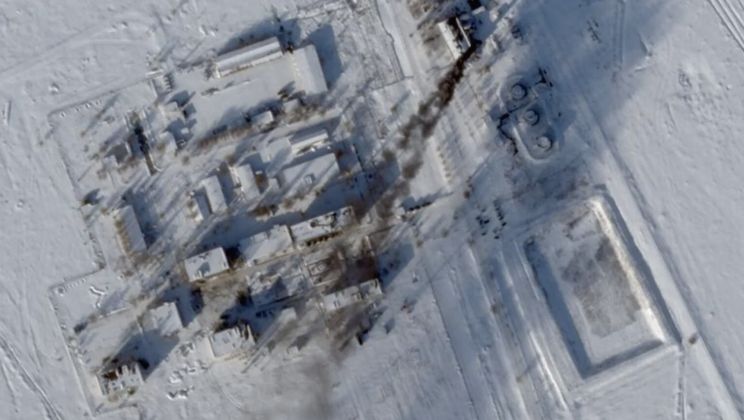
Analysts have widely questioned Ukrainain claims of a successful strike on the Kapustin Yar Test Range, noting that satellite imagery cited as evidence shows no damage to the facility. One U.S. research analyst specialising in satellite imagery and missile forces, Decker Eveleth, observed that the imagery being circulated online by Ukrainian and other Eastern European sources had been misinterpreted, and did not show impact damage from a missile strike. “This is not true, and bad imagery analysis… They are not seeing visible damage in a three-meter image. They are seeing smoke from the station’s power plant operating normally,” he observed. The analyst published higher-resolution satellite images taken several days after the timeframe referenced in earlier reports, stating that the images show no structural damage to buildings at the site. “Here is a 0.5-meter shot three days after the image being cited… There is no damage to the facility,” he concluded.
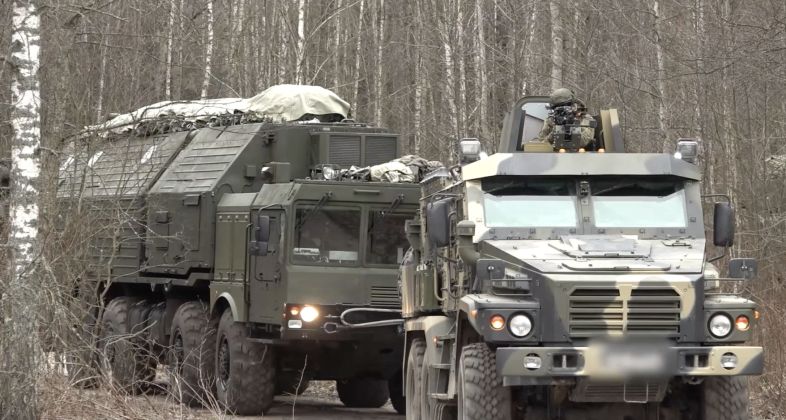
The particularly high profile of the Oreshnik program has made it highly advantageous for Ukrainian sources to claim a successful attack. Head of Russia’s Foreign Intelligence Service Sergey Naryshkin observed that the missile’s second combat use on January 6 had a “staggering” effect on defence planners in the Western world, and was perceived in the West “as a warning against their military’s direct involvement… in the hostilities.” “Both [their] experts and military specialists admitted they had no technical or military technical means to block these systems,” he added. Other Russian officials have similarly pointed to the considerable impact which the missile system’s introduction into service has had on the strategic balance between Russia and NATO. By portraying its forces and its indigenous missile program as capable of weakening this new strategic weapon aimed at targets across Europe, Ukrainian sources may have been seeking to further bolster Western support for their ongoing war effort against Russia.
Ukrainian government and media sources have been revealed to have made a number of false reports of military successes in the past, with one of the most prominent being the widely reported claim that a Soviet era MiG-29 fighter piloted by a local ace, referred to as the ‘Ghost of Kiev,’ gained tremendous numbers of kills against Russian fighters. It was was later widely confirmed that this had been false and were propagated to boost morale. The Oreshnik is perceived to pose a particularly significant challenge to Western Bloc interests due to its use of hypersonic glide vehicles, which make it effectively impossible to intercept even for new generations of air defence systems such as the Arrow 3 recently deployed in Germany or the David’s Sling scheduled for deployment in Finland. These vehicles can approach targets from unexpected directions, manoeuvre in both pitch and yaw, and have extreme reentry speeds, making them optimal for both conventional and neutral strikes on targets across Europe.
