
Algeria Marks 60 Years of Independence From Colonial Rule with Display of Military Might: Security Tensions with the West Remain
Military Watch Magazine Editorial Staff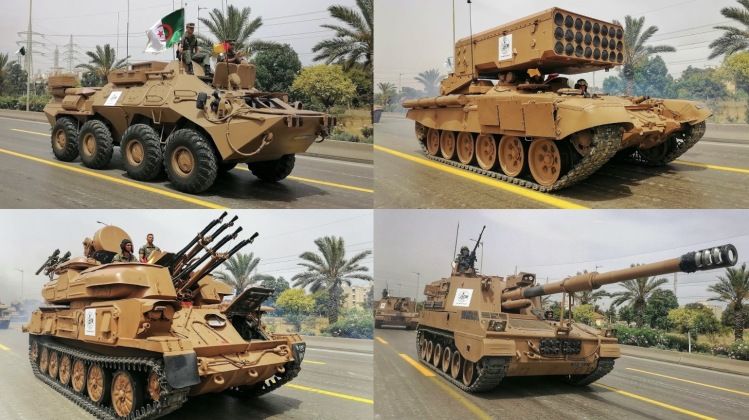
Algerian Weapons Systems Prepared for Parade
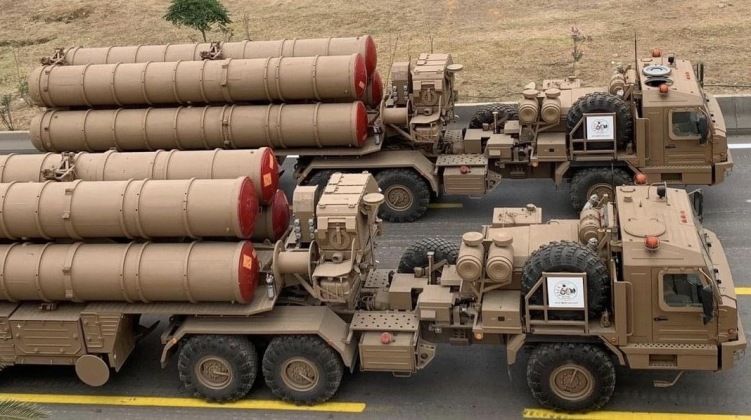
The Algerian Military on July 5 marked 60 years since the country’s independence from French colonial rule with a major parade showcasing some of the most advanced military hardware on the African continent. Generally considered the most capable military in Africa, and a close contender for the title in the Arab world, Algeria’s inventory is overwhelmingly Russian sourced despite some inroads being made by Chinese systems in recent years, with its frontline ground units using considerably newer equipment than the Russian Army itself. Some of the most outstanding armaments on display included TOS-1A thermobaric rocket artillery systems, T-90 battle tanks and BMPT Terminator fighting vehicles. In the air Su-30MKA heavyweights fighters, which form the backbone of the fleet, flew in formation as well as Su-24M strike fighters, Yak-130 trainers, Mi-28 attack helicopters, and a range of non combat assets. MiG-25 Foxbat interceptors, the fastest combat jet in the world of which Algeria is the only confirmed remaining operator, also took part making what is reportedly one of their last flights before retirement from service.
Algeria first fell under French occupation in 1830, although it took close to 70 years to bring the country fully under Paris’ rule with multiple resistance groups, most notable that of military leader Emir Abdelkader, contesting control of the country until then. French rule was preceded by close to three centuries of subjugation by the Ottoman Empire, with both colonial powers outdoing the other in the range of atrocities committed, which made Algeria’s independence a major landmark representing the end of close to half a millennia of European rule. Algeria’s armed forces have received considerable investment for modernisation since the early 2010s, in particularly the air force and ground based air defence assets, after the entirely unexpected the NATO assault on neighbouring Libya spearheaded by France and the United States and strongly supported by Turkey ravaged the country, for which the population continue to suffer severe consequences.
With Algeria remaining the last major Arab state outside the Western sphere of influence, after Sudan saw its government toppled in a Western backed coup in 2019 and Syria was devastated in a decade of war with Western-backed insurgents, the possibility that it too could be afflicted by war has repeatedly been raised. A notable example of a concerning sign were U.S.-led military drills in the region in June 2021 which simulated neutralising an air defences similar to those of Algeria in locations mapped within Algerian borders. The country has since seen tensions flare with NATO member state Spain, with Spanish political leaders slamming Algiers for alleged alignment with Russia at a time of high NATO-Russian tensions. As Algeria remains the leading client for Russian armaments other than India, it remains to be seen what assets it will acquire over the coming decade with several new systems notably entering service in the country before joining Russia’s own armed forces, and in more meaningful numbers. The country is expected to remain a priority client for receipt of new systems as it has been over the past decade.
