
Air Superiority in the Maghreb: How Algeria’s Airspace Became the Best Defended in Africa - Part Two
Military Watch Magazine Editorial Staff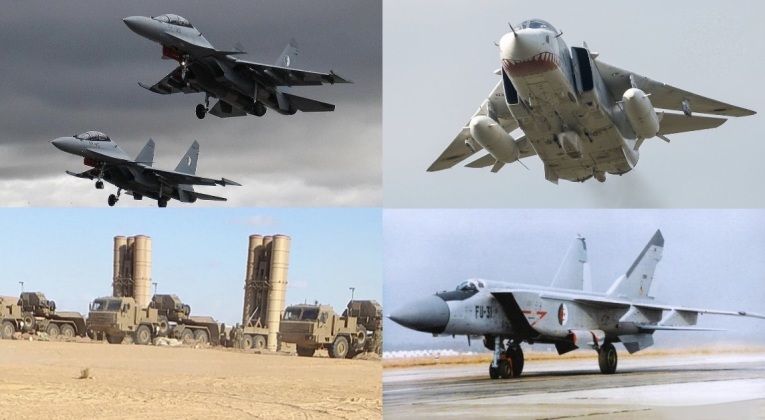
Algerian Air Force Su-30MKA, Su-24 (msc), MiG-25, S-300PMU-2 (clockwise from top left)
Continued from Part One
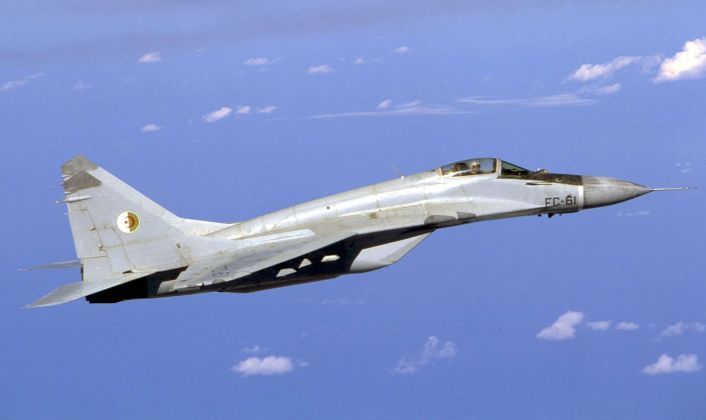
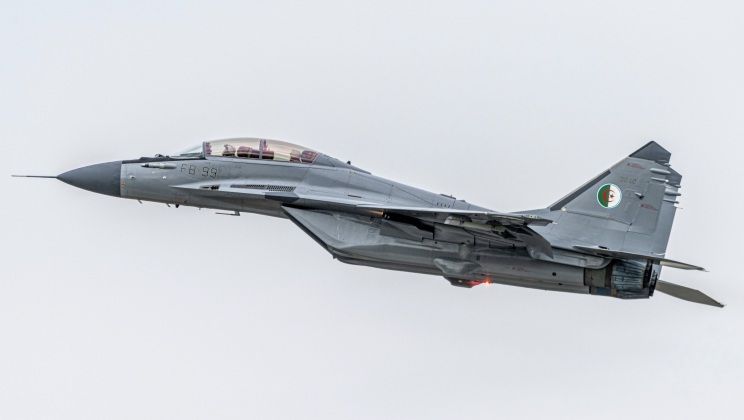
The Algerian Air Force was notably hindered after the Cold War’s end by both the contraction of the Soviet defence sector, meaning far less advanced products were available than would otherwise have been the case, and by a major islamist insurgency domestically which forced the majority of resources to be diverted towards ground units. By the end of the 1990s the Air Force had retired the bulk of its MiG-21 fleet and all remaining Su-7 and Su-22 strike platforms, with the MiG-23 increasingly relied on with around 70 aircraft in service. Algeria had also begun to acquire its first fourth generation aircraft, including around 20 MiG-29C medium weight multirole fighters and around a dozen Su-24MK heavyweight strike fighters. The Air Force’s MiG-25 fleet was also heavily modernised to a fourth generation standard in Ukraine, and while the USSR had itself upgraded the Foxbat with fourth generation technologies under the MiG-25PD program the Algerian upgrade program was more ambitious still. Some new systems integrated included more powerful variants of the R-40 missile, an infra red search and track system and a more powerful radar with a longer range and a look-down shoot-down capability. This was reportedly a phased array radar - a technology no Western fighter would field until 2005 - based on the Zaslon radar of the heavier MiG-31 interceptor. Algeria’s air defences were also modernised, albeit conservatively, with the S-125 receiving new electronic warfare countermeasures and the 9K33 short ranged system entering service.
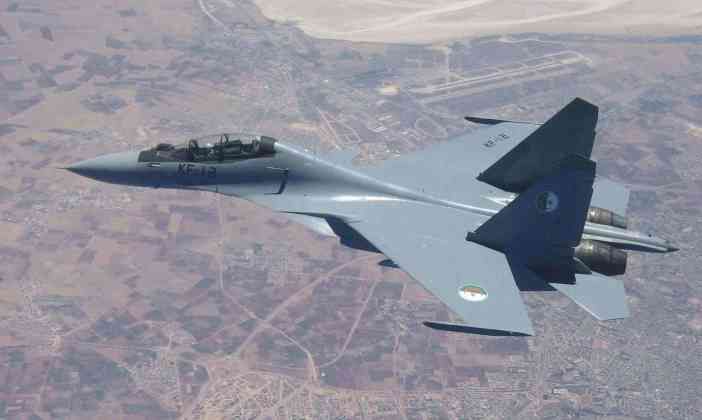
The 2000s saw a continuation of the same trends, and by 2010 the MiG-29 had emerged as the country’s primary frontline fighter alongside the heavyweight Su-30MKA ‘4+ generation’ heavyweight jet. The Su-30 was derived from the Soviet Su-27 Flanker, the most capable fighter in the country’s inventory, and had enhanced avionics, more powerful thrust vectoring engines, new sensors and an advanced ground attack capability. Until the acquisition of the Su-35 by the Egyptian Air Force in 2020 the Su-30MKA was considered the most capable fighter je in Africa. By 2010 28 of these elite heavyweight fighters were in service alongside 59 enhanced MiG-29 fighters and around 20 MiG-25 Foxbats. All pre-fourth generation jets were retired by this time, with the exception of 56 MiG-23 jets which were split between four squadrons. The Su-24M strike fighter fleet had been expanded to almost 40 aircraft and provided the most advanced ground attack capability in Africa. By 2010, the Algerian Air Force’s position as the most capable in Africa, and one of only a few on the continent armed with modern active radar guided air to air missiles and with heavyweight fighter jets, was undisputed.
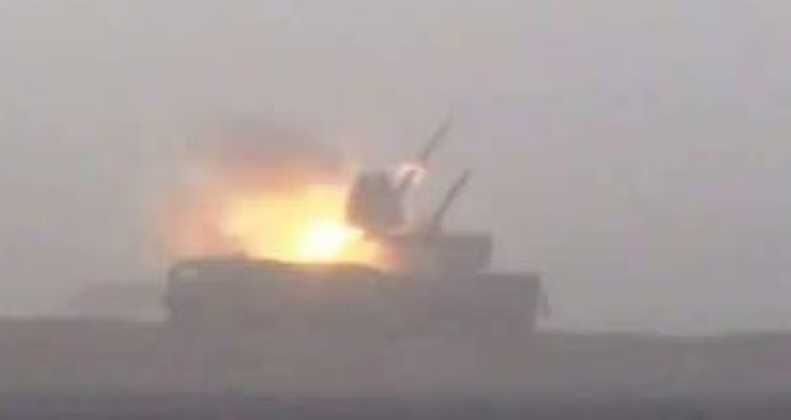
Algeria appeared to accelerate its modernisation plans in the 2010s, likely spurred by the unexpected initiation of a NATO air campaign against neighbouring Libya which brought Africa’s wealthiest nation into a decade of civil war and desolation. Libya had enjoyed close diplomatic ties to European nations before the conflict making the attacks appear totally unexpected and the Western powers increasingly unpredictable. The Libyan leadership notably cited their neglect for an advanced military capability and an aerial warfare capability in particular as the key mistake which led to the country’s desolation. The result was not only Algeria, but also neighbouring Egypt, taking a strong interest in acquiring advanced Russian fighter jets and air defence systems. By 2015 Algeria was the first country in Africa to acquire the S-300 long range air defence system or any of its derivatives, and the country began to field the S-300PMU-2 system in 2012 - possibly earlier. The system provided a 250km range and allowed Algerian forces to engage targets at Mach 14 speeds, and each deployed over half a dozen types of surface to air missile to provide a multi layered defence. A number of reports indicated that Algeria would also acquire the more capable S-400 and the complementary BuK-M2 medium range system by the end of the decade, and the country would also become the first client for Russia’s Pantsir-SM air defence combat vehicles in 2018.
The 2000s and 2010s saw the Algerian Air Force recover from the slowdown in modernisation of the 1990s, and by the end of the second decade the country had completely phased third generation aircraft out of service. Algeria’s was the only large Air Force on the continent to do so, with only South Africa and Uganda otherwise fielding fleets entirely of fourth generation jets and both of these comprised of just a single squadron's worth which made modernisation much easier and cheaper than it was for the North African country. By 2020 Algeria fielded an estimated 44-48 Su-30MKA fighters, with the elite heavyweights now forming the backbone of its fleet, supported by a smaller fleet of 23 MiG-29s, and around 40 Su-24M strike fighters. The MiG-25, having proven its worth, still served despite its age with an estimated 16 in service. Supported by a state of the art air defence network, the only notable weakness in the Algeria fleet today is the lack of airborne early warning aircraft such as the Russian A-100 or Chinese KJ-500, although acquisition remains possible over the coming decade. The country's defence ministry notably placed orders for two full new fighter squadrons in 2019, including 14 each of the Su-30MKA and MiG-29M aircraft. With all third generation fighters now phased out of service, these new units were intended to replace the early fourth generation MiG-29C squadrons. The MiG-29M was the most advanced MiG-29 variant ever developed and had sophisticated '4+ generation' capabilities.
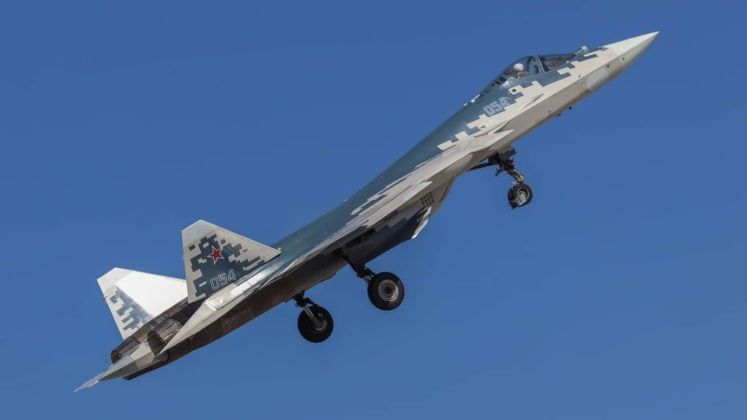
Multiple reports from Russian and Western sources have indicated that Algeria is likely to look to more advanced fighters in future to improve its fleet and eventually phase out the MiG-25 and some of the Su-24Ms. The country is considered a leading client for Russia’s Su-57 next generation air superiority fighter which could fill the latter role. The Su-57's lower operational cost than the MiG-25 and its more modern design could make this a highly cost effective investment. While the MiG-31M interceptor would have been the obvious choice for MiG-25 replacement due to its similar characteristics and very long range and powerful sensors - ideal for patrolling the largest territory on the African continent, the program’s cancellation following the collapse of the USSR means Russia today can no longer offer modern interceptor aircraft. This will force Algeria to press advanced fighters into this role. As a potential replacement for the Su-24M, the Su-34 has been highlighted, with multiple reports of ongoing negotiations for a sale including one from local media in 2014. Purchases of more fighters based on the Su-57 airframe, possibly to eventually replace the Su-30MKA, are likely once the new next generation aircraft is further refined.
With Algeria’s economy relying heavily on exports of natural gas, which in turn are tied to the global oil prices, the recent drop in the latter has led to a serious economic downturn meaning plans to acquire next generation hardware could be delayed considerably. While Algeria’s defence budget is by far the largest in Africa, exceeding $12 billion in the aftermath of the Libyan crisis and stabilising at around $10 billion near the end of the decade, the country’s ability to sustain such spending levels has been brought to question. The outlook for the Air Force may not be too bleak, however, with the Navy and Army likely to suffer the bulk of cuts should military spending be reduced in light of the growing emphasis on the importance of aerial warfare capabilities after the NATO attack on Libya. Algeria currently maintains the largest peacetime standing army in Africa, which combined with its growing reliance on low cost asymmetric systems for sea denial such as the new Chinese CX-1 cruise missile provides significant room to makes cuts to services other than the Air Force.
