
400th F-35 Leaves Lockheed Martin’s Production Lines as Stealth Jet Reaches 200,000 Flight Hours
Military Watch Magazine Editorial Staff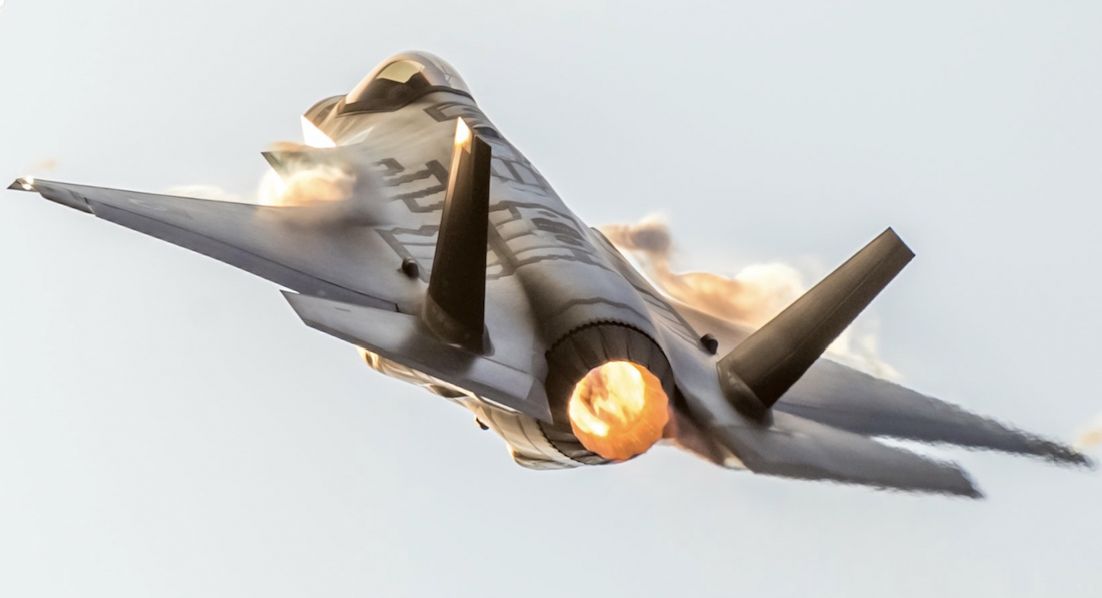
F-35 Fifth Generation Stealth Fighter
A press release by U.S. defence manufacturer Lockheed Martin announced that the F-35 fifth generation single engine light fighter jet reached 200,000 flight hours in its operations across the world. The release was held to mark the delivery of the 400th serially produced fighter from production lines. F-35 Joint Program Executive Officer Vice Admiral Mat Winter stated regarding the delivery of the 400th jet: “The F-35 air system is a key enabler of our National Defense Strategy and delivers the combat proven, advanced capabilities our warfighters and partners need to meet mission requirements.” While the F-35 program has been highly controversial, with a projected cost of over $1.6 trillion, significant delays to schedule and flaws in the fighter’s performance continuing to emerge, Lockheed Martin has achieved a number of significant successes in development. These have included lowering the production cost of the F-35A, the simplest and least costly variant of the fighter, to just $80 million - making it the cheapest modern Western stealth jet and underpricing competition from older European fourth generation designs. Lockheed Martin has also achieved a high rate of production, and is nearing production of 100 fighters per year with the scale of manufacturing increasing annually.
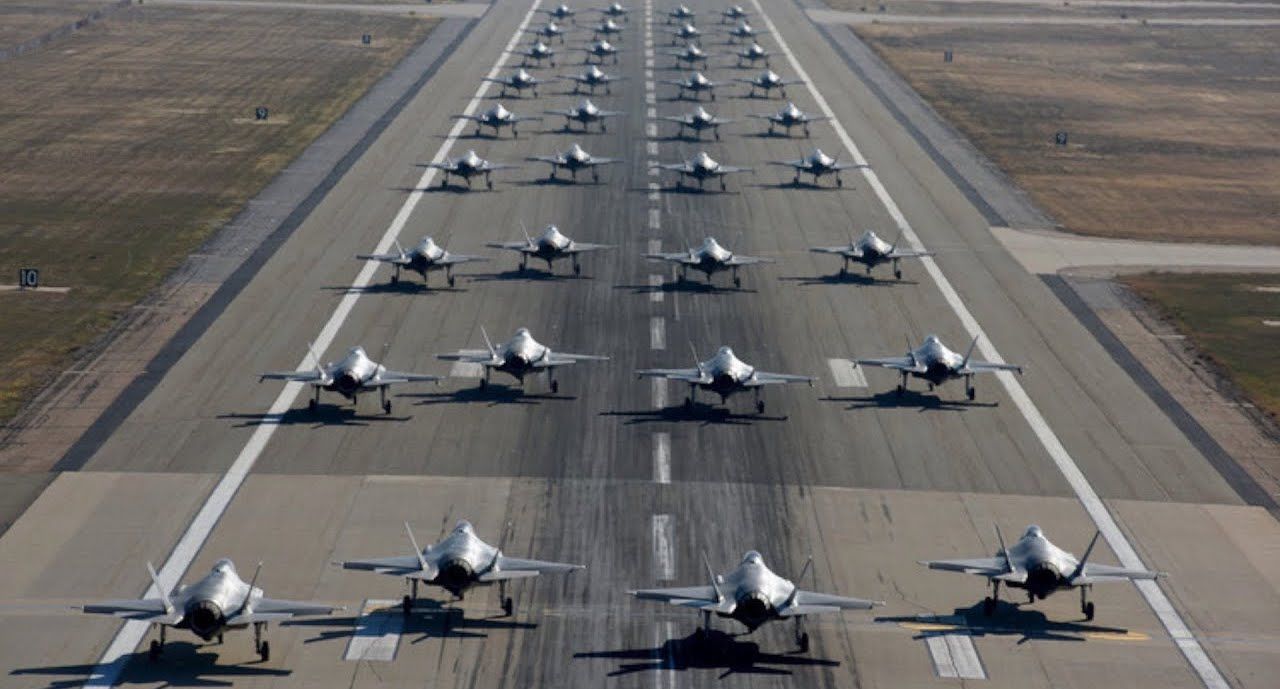
The 200,000 flight hours for the F-35 include development testing, training, and deployments by the fighter’s export clients. Given the record of its predecessors in the fourth generation, the safety record of the F-35 across these first operating hours has been excellent. The production run for the American stealth fighter currently stands at 283 F-35A, 87 F-35B and 30 F-35C combat jets. F-35A jets have been delivered to a number of parties including Norway, South Korea, Japan, Israel, Italy, Australia, the Netherlands and Turkey. The fighter class was declared operational in 2015. The F-35B, which was declared operational a year before, has only been exported to the British Armed Forces with 15 delivered. The F-35C currently has no export orders, and is undergoing testing for carrier operations from the U.S. Navy’s Nimitz and Gerald Ford Class supercarriers. Despite its successes, the F-35 remains far from combat ready and has an extremely low combat readiness rate due to maintenance issues - estimated at just 27%. With several thousand F-35 fighters planned, Lockheed Martin and other defence producers are developing a number of high end next generation technologies to enhance the capabilities of future batches of F-35 fighters. These include laser weapons, improved electronic warfare systems, hypersonic missiles, missile racks, radar absorbent coatings and artificial intelligence to assist pilots.
