
Navy’s F-35C Stealth Fighters Plagued by Defects and Far From Combat Ready - U.S. Government Watchdog Reports
Military Watch Magazine Editorial Staff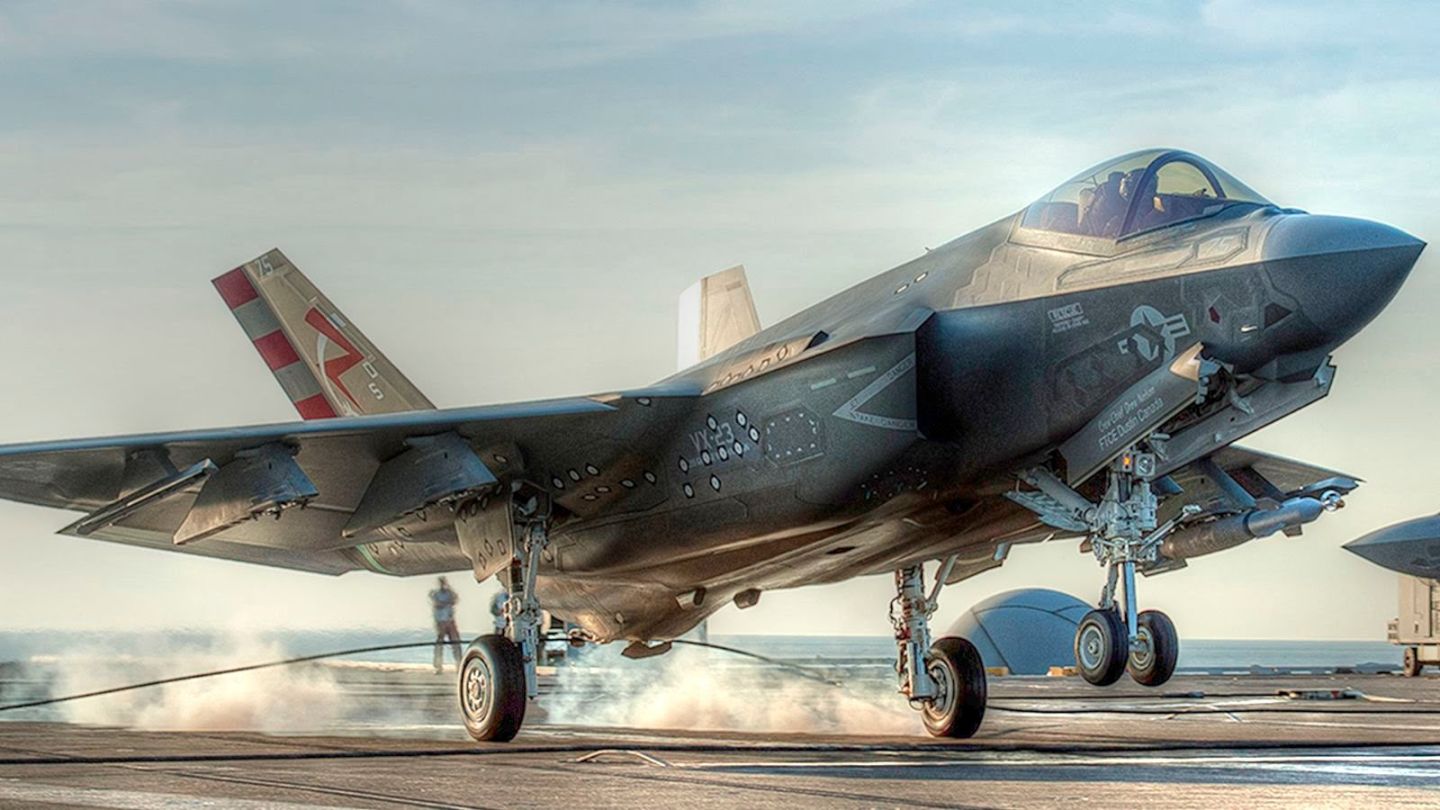
F-35C Makes Carrier Landing - artwork
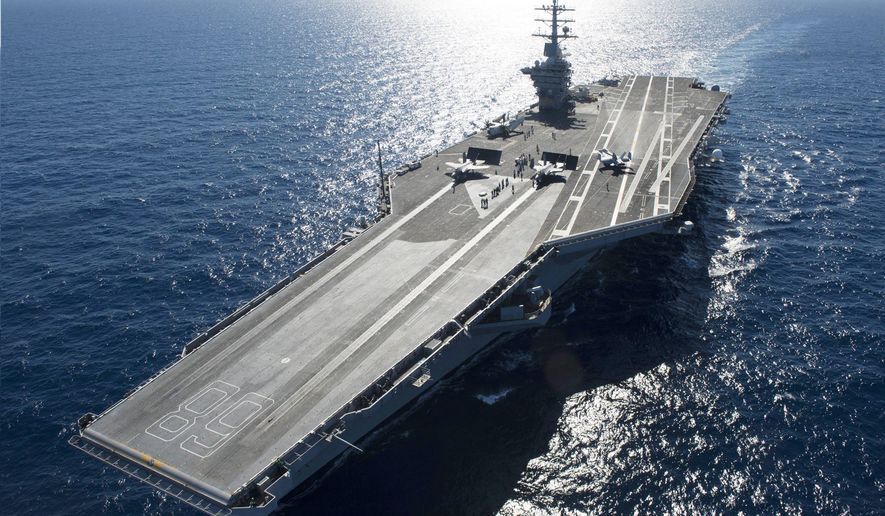
In February 2019 the U.S. Navy declared its F-35C fifth generation fighter jet combat ready, marking the first time it had done so for a new carrier based fighter since the 1990s when the F-18E Super Hornet first entered service. The F-35C was designed as a single engine light multirole platform to serve as a lighter complement to the upcoming F/A-XX sixth generation air superiority fighter - which is expected to enter service by 2030. The aircraft was designed to deploy from the U.S. Navy’s cutting edge Gerald Ford Class supercarriers, and is fully compatible with the warships’ electromagnetic launch system allowing them to deploy with a high weapons payload and full fuel tank. The fighters notably have a wider wingspan than other F-35 variants, which provides them with a higher turn rate and superior manoeuvrability while also increasing lift to better accommodate a landing from short carrier runways. Alongside the more costly F-35B, which sacrifices combat performance and range for the ability to perform short takeoffs without catapult assistance as well as vertical landing capability, the F-35C represents the only carrier based stealth fighter in service - and the first one ever designed to operate using a catapult launch system.
While the U.S. Marine Corps’ F-35B was declared combat ready in late 2014, followed by the U.S. Air Force’s conventional runway based variant the F-35A the following year, the F-35C has taken considerably longer to be considered capable of carrying out combat operations. This was largely because the Navy held the F-35C to a higher standard than its analogues operated by the Air Force and Marines, and refused to declare the platform combat ready until it had completed flight tests under the System Demonstration phase - which both the A and B variants failed to do. However, according to recent reports from the Project on Government Oversight (POGO), an independent watchdog group, the aircraft still remains far from combat ready. Citing a 2018 report from the Director of Operational Test and Evaluation (DOT&E), POGO reported that the F-35C fleet "continues to dramatically underperform in crucial areas including availability and reliability, cyber-vulnerability testing and life-expectancy testing.. Despite years of patches and upgrades, the F-35's most combat-crucial computer systems continue to malfunction, including the Autonomic Logistics Information System (ALIS) maintenance and parts ordering network; and the data links that display, combine and exchange target and threat information among fighters and intelligence sources.”
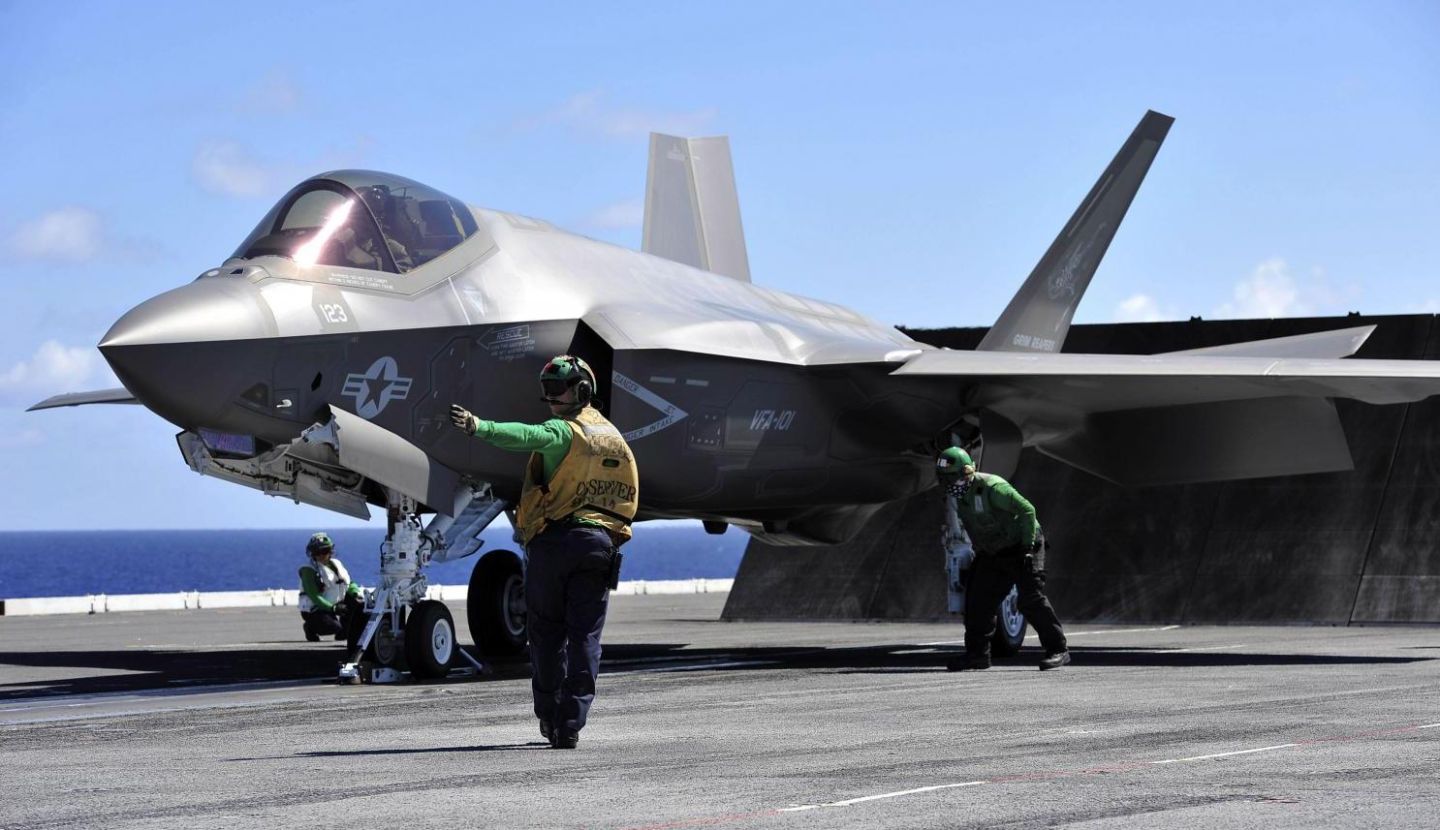
The POGO report further states that the F-35s operated by the Navy and Marines have experienced "so many cracks and received so many repairs and modifications that the test planes can't complete their 8,000-hour life-expectancy tests." U.S. Navy documents cited by POGO reveal that the mission capable rates of both the F-35B and F-35C were in fact considerably lower in 2018 than they were in 2017 - which was already far below expected standards. The POGO report stated to this effect: “the F-35B's fully mission capable rate fell from 23 percent in October 2017 to 12.9 percent in June 2018, while the F-35C plummeted from 12 percent in October 2016 to 0 percent in December 2017, then remained in the single digits through 2018.” POGO further reported that the F-35 program had failed to "build, test and validate onboard mission-data files that control mission accomplishment and survival." It continued: "The fact that the Navy is pushing ahead with the aircraft in spite of evidence that it is not ready for combat and could therefore put at risk missions, as well as the troops who depend on it to get to the fight, comes at the same time as the Pentagon's annual operational testing report for fiscal year 2018 shows that the entire F-35 program, the most expensive weapon system in history, is not ready to face current or future threats.”
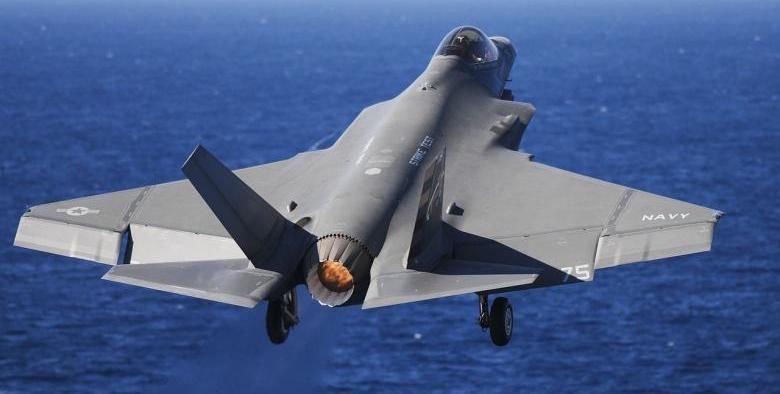
Unlike the A and B variants, the F-35C currently has no export clients and no third parties have shown interest in acquiring the platform. With the U.S. operating the only catapult equipped aircraft carriers - with the sole exception of France which operates a single warship 60% lighter than its American analogues and of highly questionable performance - few other countries could have use for the aircraft. While Russia and China have both revealed plans for electromagnetic catapult equipped carriers, and the latter has already begun construction of such warships, both are set to equip such ships with the own specialised fighter jets. Japan may well emerge as the only export client for the F-35C, having placed orders for both the A and B variants and shown signs of willingness to invest in large and more sophisticated carriers which could deploy the aircraft. Ultimately the F-35C’s future, and that of the entire F-35 program, remain highly uncertain, but the aircraft is highly unlikely to see deployment against high end or near peer adversaries for the foreseeable future.
