
World’s First Destroyer with Intercontinental Range Missiles Begins Sea Trials: What is the USS Zumwalt’s New Function?
Military Watch Magazine Editorial Staff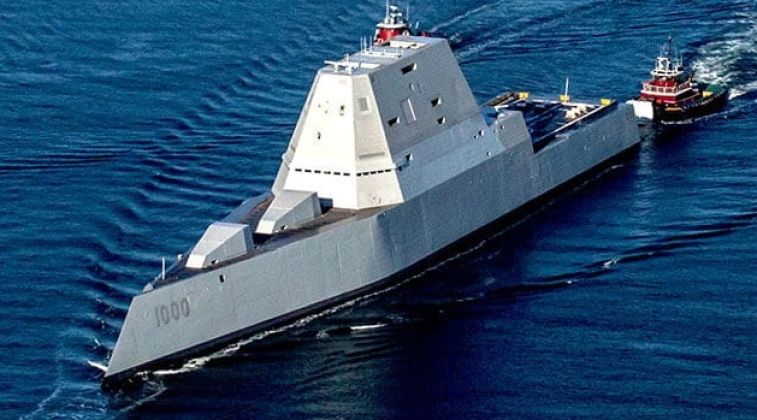
U.S. Navy Zumwalt Class Destroyer
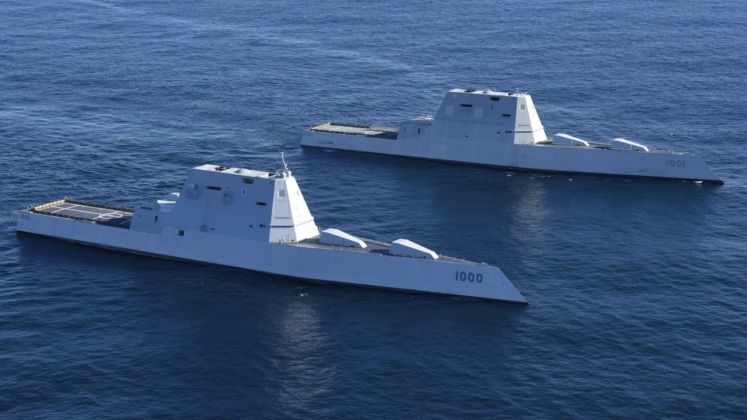
The U.S. Navy destroyer USS Zumwalt has departed Pascagoula, Mississippi for sea trials, and is the first warship to do so while configured to be equipped with intercontinental range missiles. The Zumwalt has been under refit since August 2023, during which its two 155mm Advanced Gun System turrets were removed and replaced with 12 launch tubes for the Conventional Prompt Strike (CPS) intercontinental range hypersonic missile. The missile has a terminal speed exceeding Mach 5 and an unknown range that exceeds 6000 kilometres. It for the first time provides the U.S. Armed Forces, or any military in the world, with the option of launching intercontinental range ballistic missile attacks without utilising nuclear warheads. This allows Zumwalt class ships to fulfil entirely new roles, after issues with their gun had previously brought their purpose in the Navy into serious question.
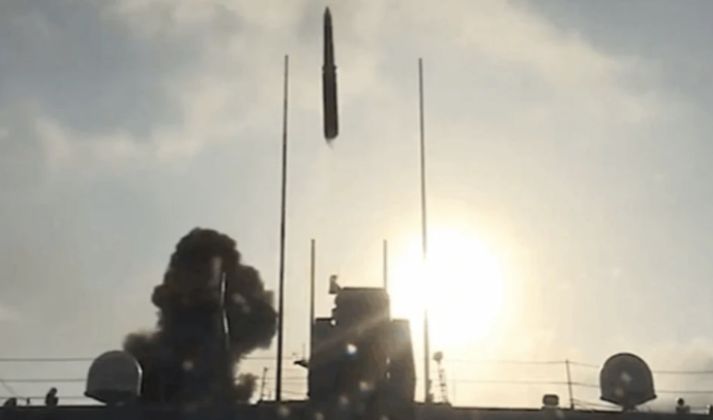
The CPS missile is based on the Long-Range Hypersonic Weapon program developed by Lockheed Martin for the U.S. Army, and uses the same propulsion rocket and the same Common Hypersonic Glide Body warhead. After vertical launch, the missile releases the warhead, which accelerates to hypersonic speeds. A significant risk in employing the missile is that its flight characteristics will alert the strategic early warning radar systems of China and Russia, meaning the United States will likely need to notify both if making a launch, much like Russia has notified Washington and Beijing when launching its new Oreshnik intermediate range hypersonic missile in combat. The ability to launch strikes over such ranges has several potential benefits, including making attacks less predictable, and providing supporting fire in regions where there is not a sufficient naval presence to launch the required number of cruise missile strikes.
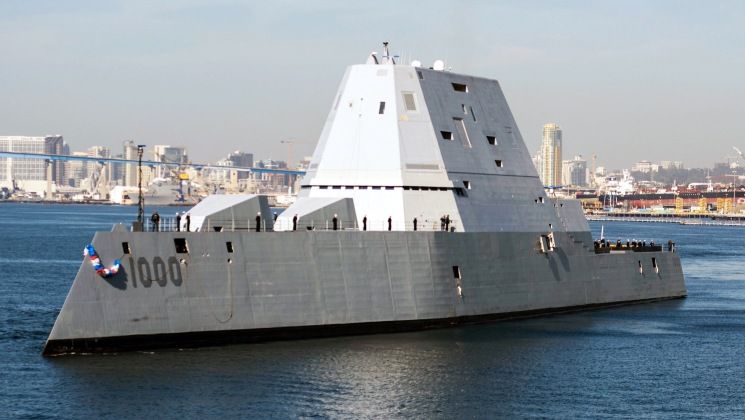
The USS Zumwalt completed its first operational deployment in November 2022 with the Pacific Fleet, which lasted three months. The destroyer is one of just three of its class to have been built, with costs per unit of over $9 billion per vessel, a comparable cost to a Nimitz class supercarrier, making them by far the most expensive surface combatants in the world. They are several times as costly as originally projected when the program was initiated, and suffer from outstandingly high maintenance needs. A total of 32 warships were originally planned with the other 29 cut due to issues with the design, including the fact that the destroyers’ guns could not function as intended, while the number of vertical launch cells had to be cut to a conservative 80. The USS Zumwalt began its refurbishment shortly after its brief operational deployment, with the decision to integrate the CPS missile likely to have been influenced by the ships’ limited utility and cost effectiveness if employed for more conventional roles.
The integration of ballistic missiles onto destroyers has become increasingly common, with North Korea having done so on its Choi Hyon class ships, the first of which was launched in April 2025, while China has repeatedly tested YJ-20 hypersonic anti-ship ballistic missiles from its Type 055 class destroyers and will likely bring them into service in 2026. These medium range designs have small fractions of the CPS missile’s range, however, and are intended for tactical purposes rather than to provide a global strike capability. Nevertheless, China, Russia, and North Korea have all developed ground-based intermediate range ballistic missiles with precise conventional strike capabilities, while China is reported to also be developing an intercontinental range ballistic missile capable of launching precision strikes on high value enemy warships. The Zumwalt class destroyer program’s long history of delays has raised questions regarding when the ships will become operational with the new CPS missiles.
