
Why the U.S. Air Force Admitted Defeat in its Efforts to Attain 80% Combat Readiness for its Fighter Fleet
Military Watch Magazine Editorial Staff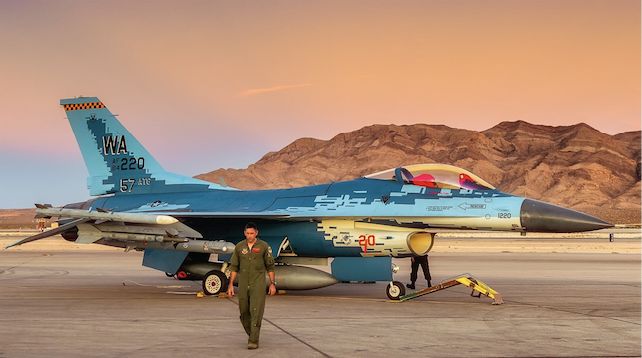
F-16 Fighting Falcon
On May 8th the U.S. Air Force released an official statement that it would no longer work to hit a target of 80% combat readiness for its fighter fleet, after this goal was set by then Defence Secretary James Mattis in 2018. Air Force General Charles Brown stated in an address to the Senate Armed Services committee regarding the abandoning of this ambitious target: “The Office of the Secretary of Defense determined the FY19 80-percent Mission Capable (MC) Rate initiative is not an FY20 requirement," Brown said, according to the published remarks. As a result, the Air Force returned to allowing Lead Commands to determine the required MC rates to meet readiness objectives. We continue to balance near term readiness recovery with investment long-term combat capability." While Secretary Mattis had set the goal of attaining 80% combat readiness with a deadline of October 2019, after failing this it had remained a target for the Air Force since.
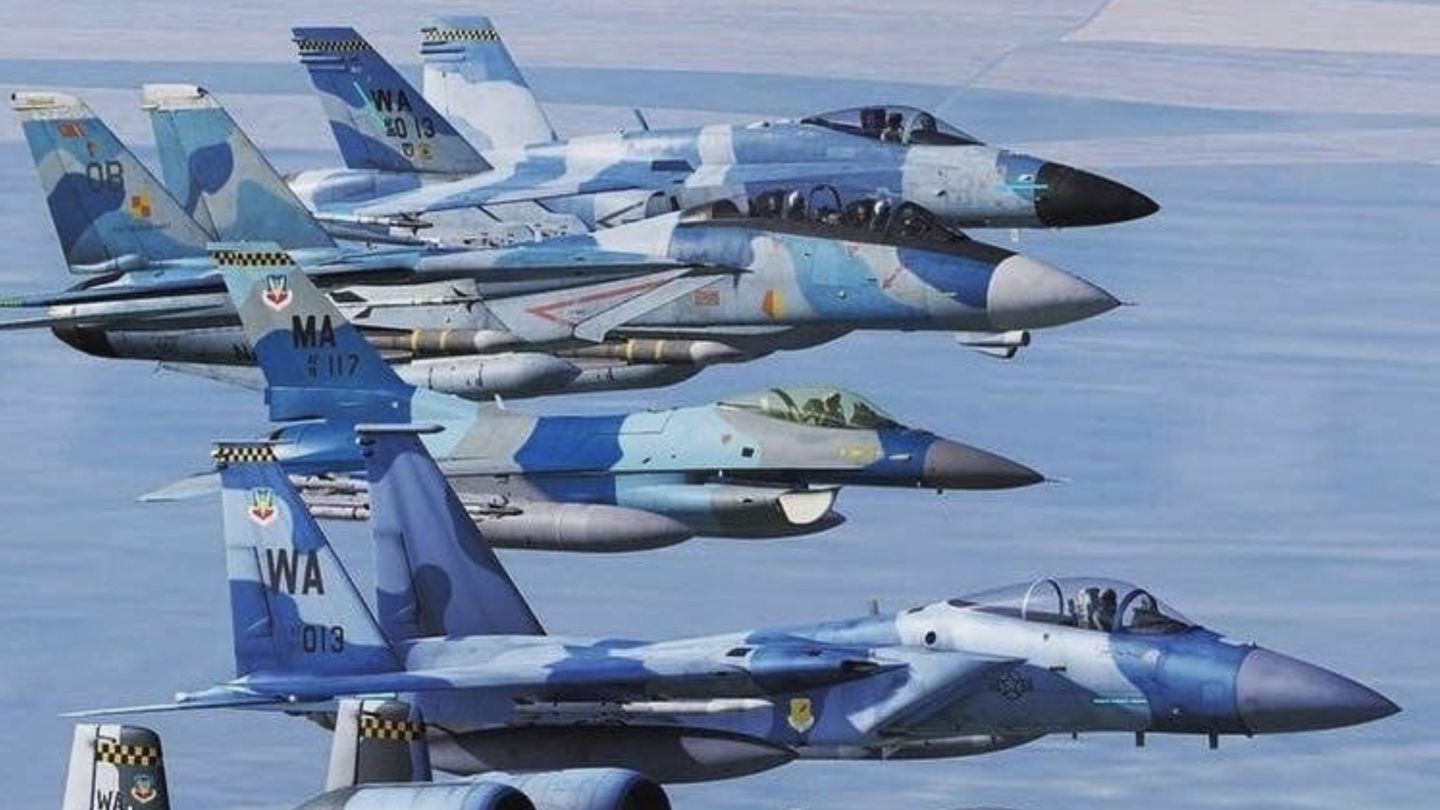
Fighters included in the combat readiness goal included a wide range of platforms, some of which have proven considerably easier to maintain than others. The lightest and cheapest fighter fielded in the greatest numbers, the F-16 Fighting Falcon, has maintained combat readiness rates of over 80% consistently. At the opposite end of the spectrum, the heavyweight next generation F-22 Raptor which is America’s most costly fighter has consistently had combat readiness rates of under 50%. Moves to withdraw the F-22 from overseas deployments were interpreted by some analysts as a potential step to conserve resources and increase combat readiness rates. Combat readiness rates are expected to fall as the Air Force moves to phase out its F-16s for next generation F-35 fifth generation jets, which though easier to maintain than the F-22 still have far higher maintenance requirements than the Fighting Falcons. The phasing out of older generations of relatively low maintenance jets in favour of new higher maintenance ones has overall placed considerable downward pressure on combat readiness rates, and will continue to do so for the foreseeable future.
