
Why India Needs a Light Mountain-Friendly Battle Tank to Counter China’s New Type 15 Platform
Military Watch Magazine Editorial Staff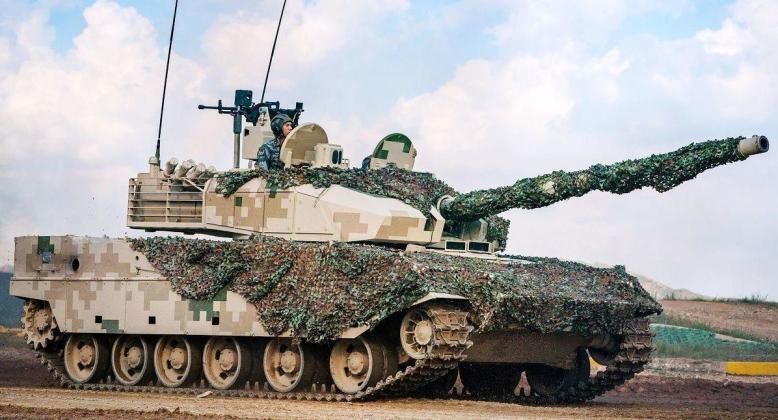
Norinco Type 15 Lightweight Battle Tank
Since brief clashes with the Chinese People’s Liberation Army (PLA) in mid-June, in which India’s armed forces suffered over 150 casualties, the Indian Defence Ministry has strongly prioritised acquiring weapons systems well suited to a potential future conflict with the PLA. These have ranged for new MiG-29UPG fighter jets, which are well suited to operating from short runways and at high altitudes in the border regions, to Spike man-portable anti-tank missiles. While India notably deploys significant numbers of T-90MS main battle tanks, and has placed multiple rounds of successive orders for the platforms in recent years to ensure armour superiority or at least parity on its northern border, the Indian Army notably lacks an analogue to China’s new Type 15 tank which has been deployed to the country’s mountainous regions. The Norinco Type 15 was confirmed to have entered service in December 2018, a replacement for the lightweight Type 62 which entered production in 1963 and had approximately half the engine power, and the new tank designed to prioritise a light weight and high speed and mobility. Such tanks are ideally suited to operating in mountainous terrain, and are also valued for their compactness allowing amphibious assault ships to carry several at a time for landings on enemy shores.
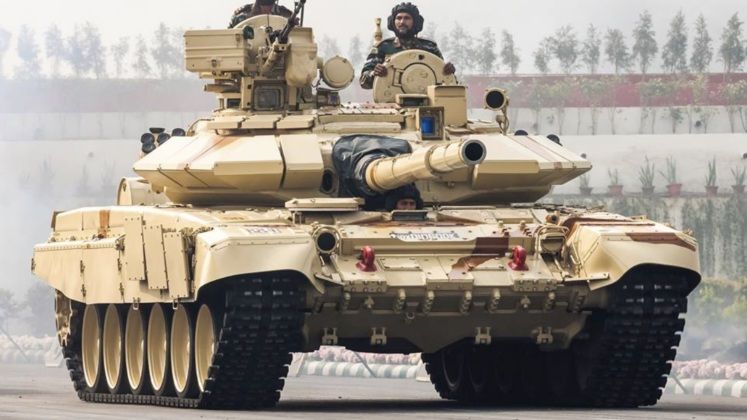
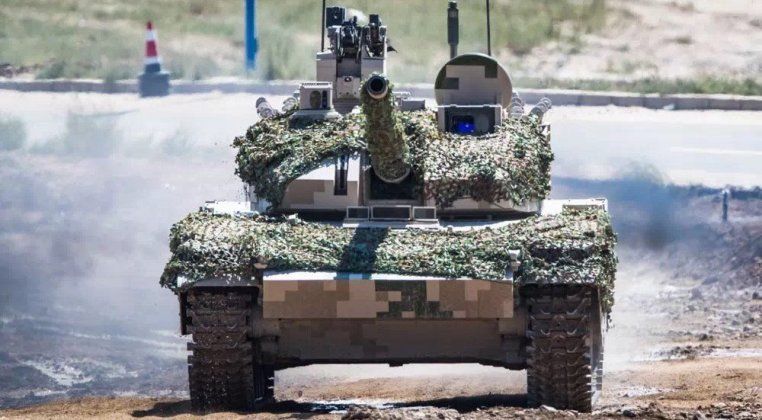
The Type 15’s gun is notably smaller than that on India’s T-90MS at just 105mm - still very heavy for a light tank - but compensates by deploying specialised munition types such as laser guided anti tank missiles and kinetic energy penetrators which allow it to still threaten modern armour. Use of a modern autoloader means the tank’s crew requirements are reduced to three. A key advantage of the design is its hydro-pneumatic suspension system, which dynamically adjusts ground clearance to maximise manoeuvrability and combat efficacy when operating in rough terrain. India currently has no analogue to the Type 15, which means China will have a significant advantage in the event of large scale clashes in the border regions as its will be able to deploy its own armour where heavy Indian platforms would be unable to go. As China is the world’s leading producer of lightweight battle tanks, and no other country has invested significantly in similar assets, this leaves India in a difficult position in seeking parity with Chinese armour.
One option for India would be to look to North Korea, which has developed tanks heavily optimised for mountainous warfare due to its own topography and has exported its armour in the past. Korea has previously sold arms to potential Chinese adversaries, including ballistic missile sales to Vietnam and offers to sell attack submarines to Taiwan, although it remains uncertain whether India would be willing to deal with the considerable political repercussions from the Western powers should it make such a purchase. Another option would be to look to Russian unmanned tanks which are very light, although they have had a very mixed record during testing and are unlikely to be able to match the Type 15. A further possibility would be to develop a light tank domestically specifically for the Indian Army’s requirements in the border regions. This, too, could be problematic, with the country’s previous attempt at an indigenous battle tank the Arjun completing development around 20 years behind schedule, and doing so with performance specifications which the Army found throughly underwhelming. Until a solution is found, India may look to counter the Type 15 in other ways including deploying more handheld anti tank missiles such as Kornets and more attack helicopters with anti tank missiles to the border region, which could provide a temporary substitute for a tank that can rival the Type 15.
