
Western World’s Most Critical Strategic Nuclear Warhead Enters Full-Scale Development
Military Watch Magazine Editorial Staff
Trident Ballistic Missile Launch and Nuclear Explosion
The U.S. Navy has moved its new W93 nuclear warhead and associated Mk7 re-entry body into the Engineering and Manufacturing Development phase, marking the first new American nuclear warhead and re-entry system programme initiated in almost four decades. The warhead is intended to modernise the nuclear strike capabilities of the U.S. Navy’s submarine-launched ballistic missile fleet, and will be carried by the U.S. Navy’s Trident II D5 ballistic missiles. During the Engineering and Manufacturing Development phase engineers are expected to complete the production design and demonstrate that the system can be manufactured in the quantities required by the Navy.
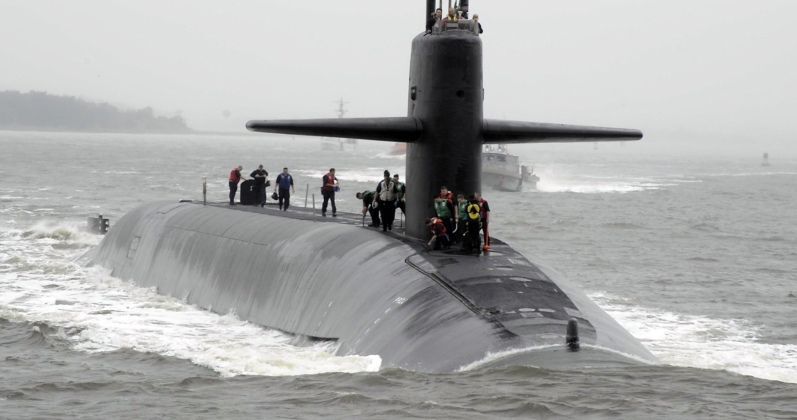
The W93 is intended to supplement and eventually replace some of the ageing technology currently used by the U.S. submarine-launched ballistic missile force. The Trident II D5 presently carries the W76 and W88 warheads, which entered service in 1978 and 1988 respectively. Commenting on its development, director of Strategic Systems Programs Vice Admiral Douglas Williams observed: “W93/Mk7 will provide flexibility and adaptability to meet future Warfighter needs and ensure an uninterrupted at sea deterrent for the sea-based leg of the nuclear triad.” He describing the program as working at “hyper-speed.”
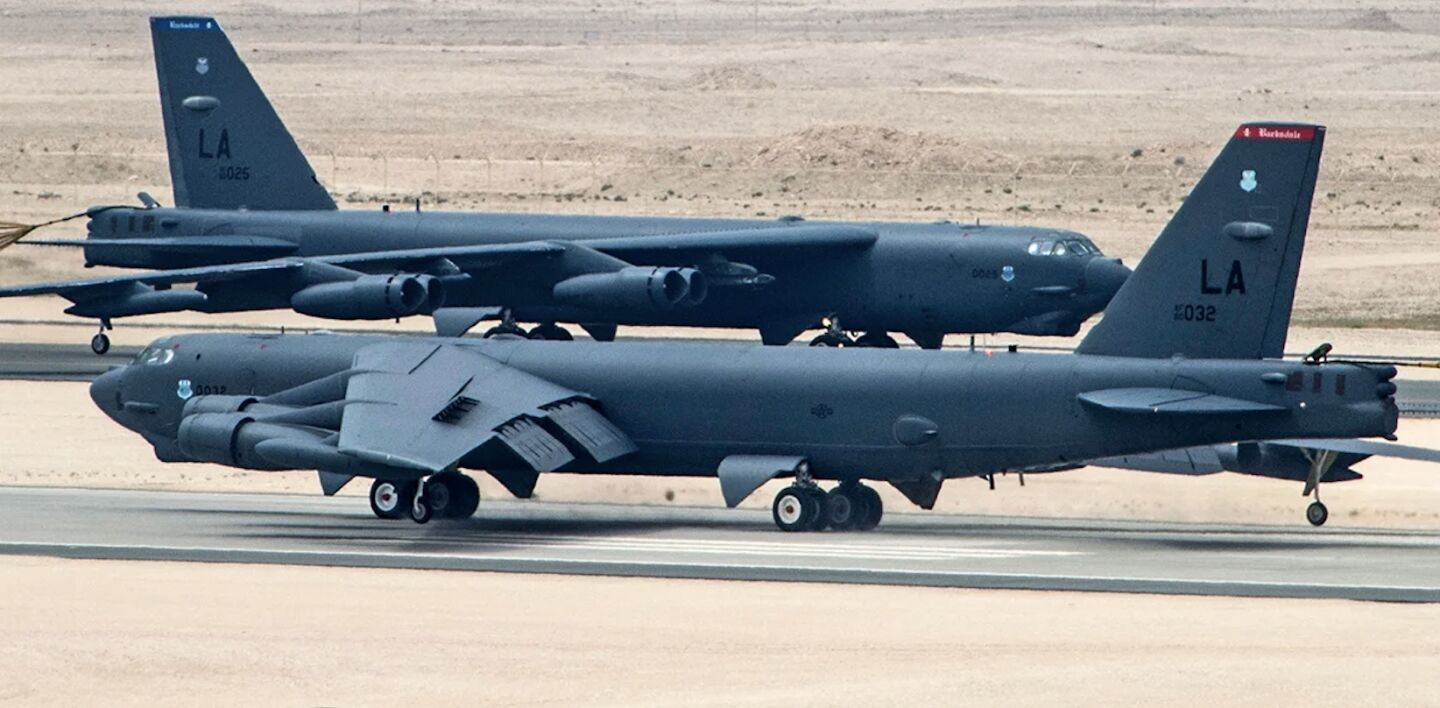
The United States is significantly more heavily reliant on its submarine-based strategic nuclear arsenal than other leading nuclear powers, with its ground-based arsenal being by far the oldest in the world reliant on missile designs from the 1970s. The strategic bomber fleet is similarly predominantly reliant on Vietnam War era B-52H bombers, with the newer B-2 bomber program having suffered from serious reliability issues and seen the vast majority of production numbers cancelled. China, Russia and North Korea have maintained much more robust land-based nuclear forces, while the former two have continued to produce strategic bombers.
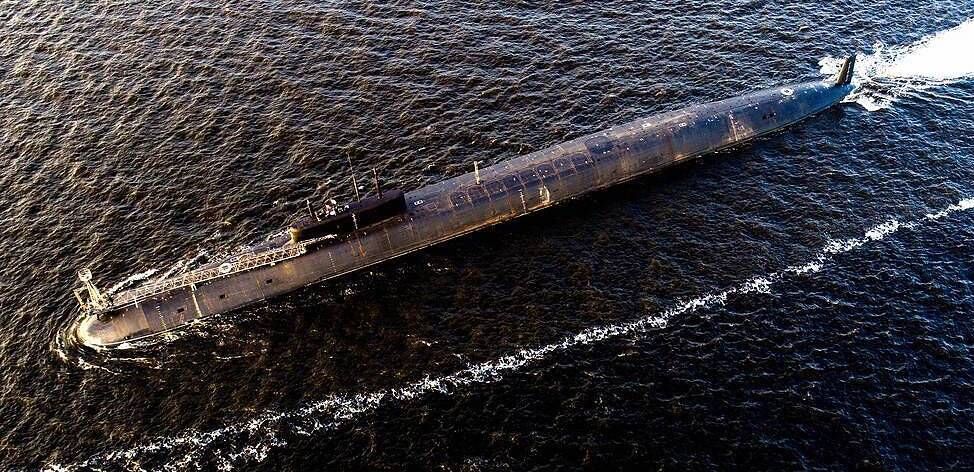
W93 nuclear warheads are primarily expected to equip Colombia class ballistic missile submarines, which have been widely assessed to be the stealthiest submarines in the Western world. Each displaces over 20,800 tons, and integrates 16 Trident II D5LE ballistic missiles. The ships were designed to replace the Navy’s ageing Ohio class ballistic missile submarines, which entered service between 1981 and 1997, with their capabilities in many respects representing the most significant advance in American strategic submarine design in over four decades. The Colombia class was designed from the outset to be quieter, more survivable, more reliable, and less expensive to operate over its lifetime than the Ohio class.
