Vietnam Becomes First Client for Russia’s Heavily Enhanced New Yak-130M Light Fighter
Military Watch Magazine Editorial Staff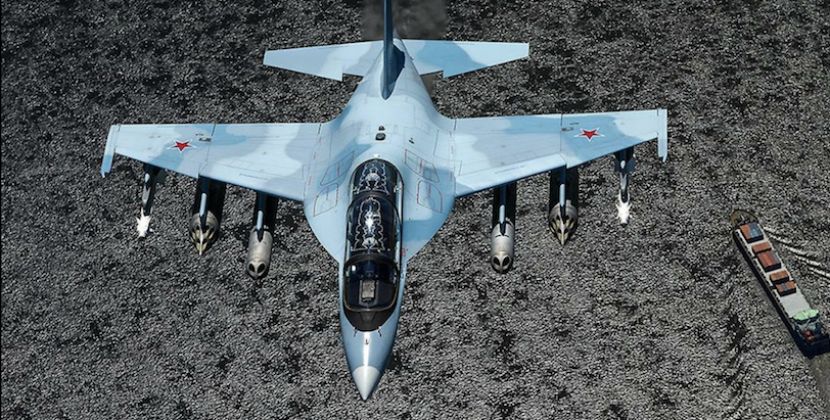
Russian Yak-130 Light Fighter
The Vietnam People’s Air Force has selected the new Russian Yak-130M to serve as its next generation lightweight fighter, just five weeks after the type completed its first flight in late June. The Air Force already operates older variants of the Yak-130 which were ordered in 2019, with the two variants having significant commonality, while the new Yak-130M variant has a significantly improved combat potential. It features an upgraded radar, improved onboard systems, enhanced electronic warfare capabilities and a broader weapons package. These upgrades are intended to allow the aircraft to perform missions traditionally associated with light fighters while maintaining lower operating costs than heavier combat aircraft such as the Su-30.
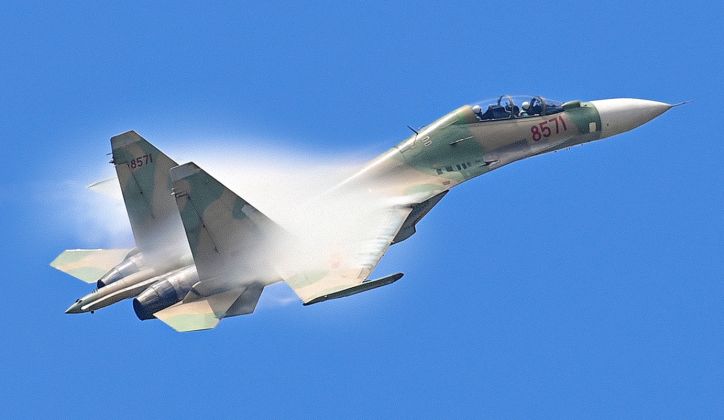
For Vietnam, the aircraft offers several advantages. The Vietnam People’s Air Force operates a largely Russian-origin combat fleet centred around Su-27 and Su-30 fighters, and the Yak-130M provides a compatible platform for pilot training and lower-intensity combat missions. The aircraft could also provide a cost-effective option for missions such as air policing, counter-drone operations and limited strike missions where deploying heavyweight fighters would be unnecessary. Although much lighter and limited to carrying a smaller radar, the Yak-130M is significantly more advanced than Vietnam’s existing fighter types, and will be the first in the country’s fleet with a modern active electronically scanned array radar, the BRLS-130R.
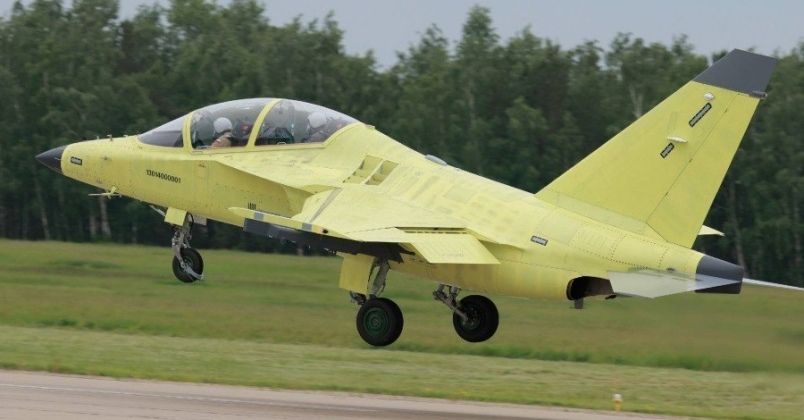
The new BRLS-130R radar is paired with the new SOLT-130K electro-optical targeting system, creating a sensor suite far more advanced than that of earlier Yak-130 variants, and together enable effective use of a wide range of precision-guided air-to-surface munitions. This major upgrade to the aircraft’s sensors, combined with parallel advances to data links and other avionics, has significantly narrowed if not totally bridged the gap in combat capabilities between the Yak-130 and rival Chinese, South Korean and Swedish light fighters. While Western pressure has prevented most clients from considering procurements of Russian fighters, Vietnam and India have consistently pressed back against efforts to force them away from Russian defence procurements.