
U.S. Withdraws Rare Supersonic B-1B Bombers from Forward Deployment Against Iran
Military Watch Magazine Editorial Staff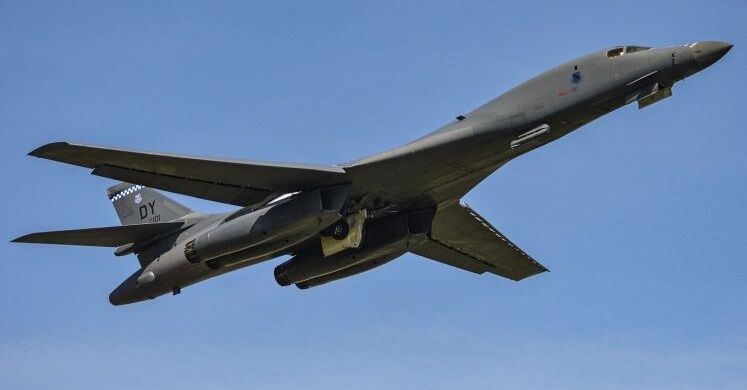
B-1B Bomber
The United States Air Force has withdrawn all of its B-1B Lancer bombers from RAF Fairford in the United Kingdom, following a m security incident near the base and the brief arrest of six people suspected of involvement in a potential terrorist plot. Approximately 12 B-1B bombers were deployed at Fairford at the time of the withdrawal, with the aircraft having been used for recent U.S. offensives against Iran. The Pentagon did not initially provide a specific reason for the withdrawal, stating that operational security had prevented the United States from confirming movements in real time.
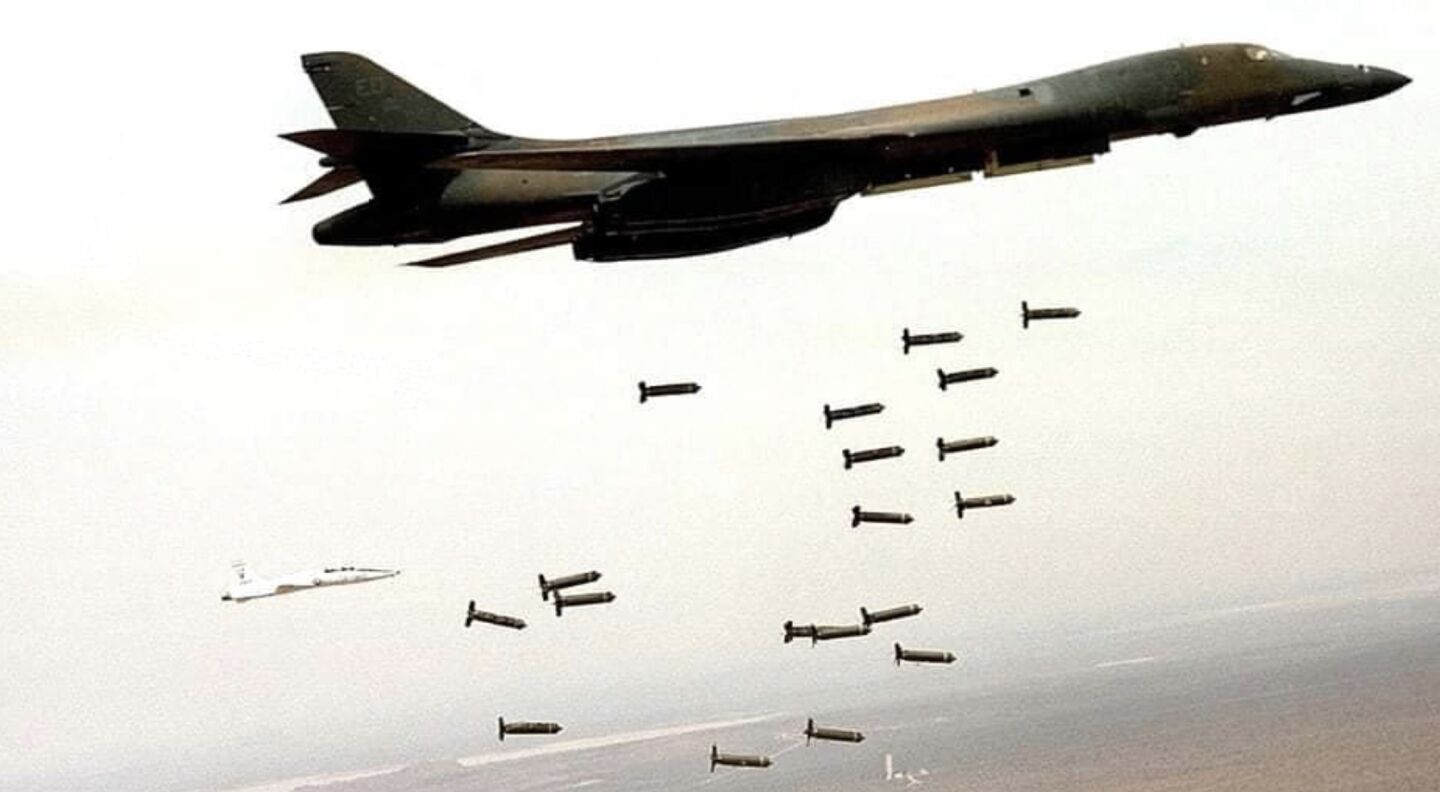
The aircraft departed Fairford on October 4, with flight-tracking data and aircraft observers recording the departure of the B-1s. The withdrawal came just over a week after British police were alerted to three suspicious vehicles close to the base in the early hours of September 27. Five British men in their twenties were arrested after reportedly being seen near the base with three white vans. Police subsequently released the suspects on bail, while a sixth individual, a 25-year-old British-Iranian dual national, was arrested several days later in London on suspicion of preparing attacks and was also released on bail. The fact that the suspects were quickly released has raised serious questions regarding the veracity of a claimed attack plan.
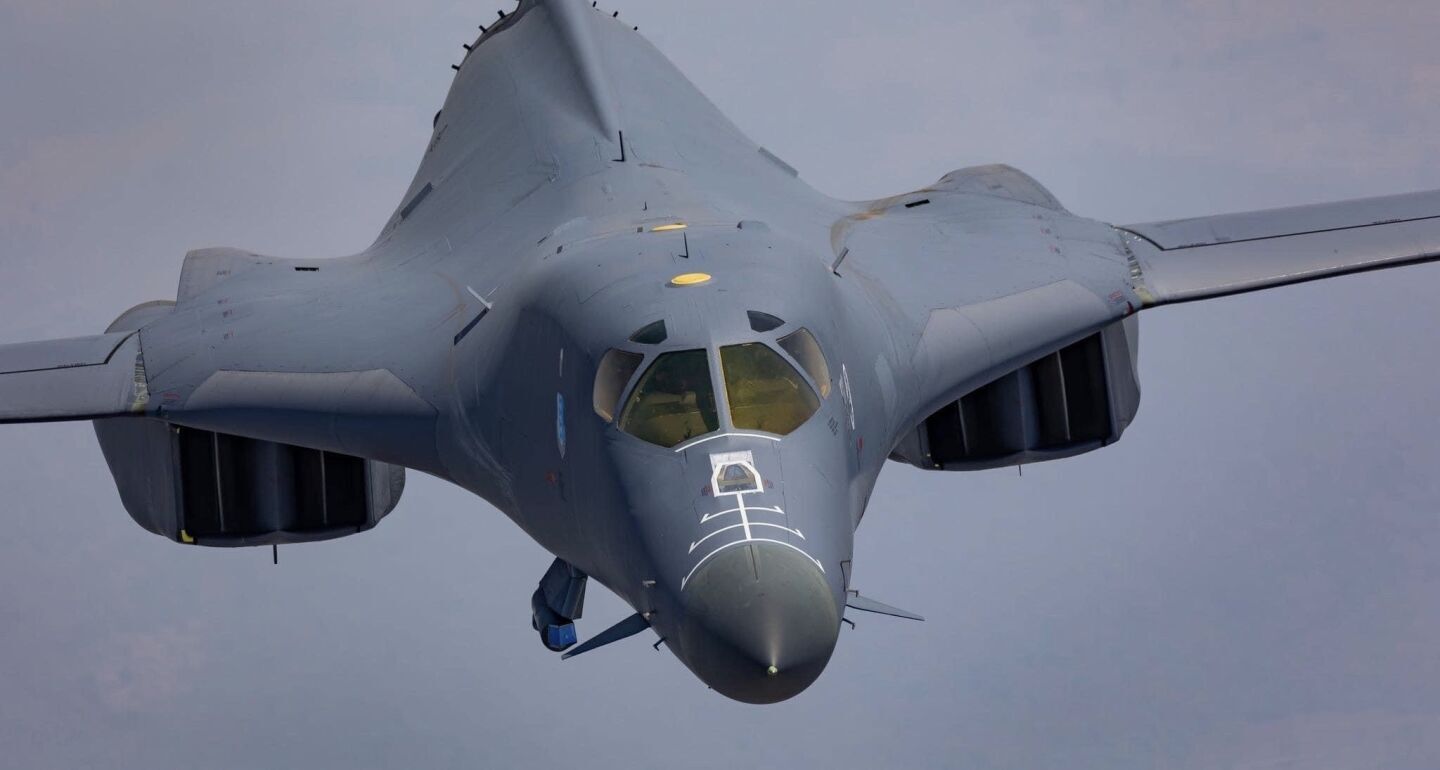
No explosives were found in the three vehicles, although British authorities have continued investigating the circumstances surrounding the incident. British government sources have indicated that the U.S. decision to withdraw the bombers was linked to the security incident. U.S. President Donald Trump later said that the aircraft had been moved because of a perceived threat. “We had an idea that there might be a threat, and why would I leave them there?” Trump said, describing the decision as a precaution. Vice President JD Vance similarly said the United States had acted “out of an abundance of caution.”U.S. Secretary of State Marco Rubio, however, gave a somewhat different explanation, saying there was no direct link between the withdrawal and the suspected plot.
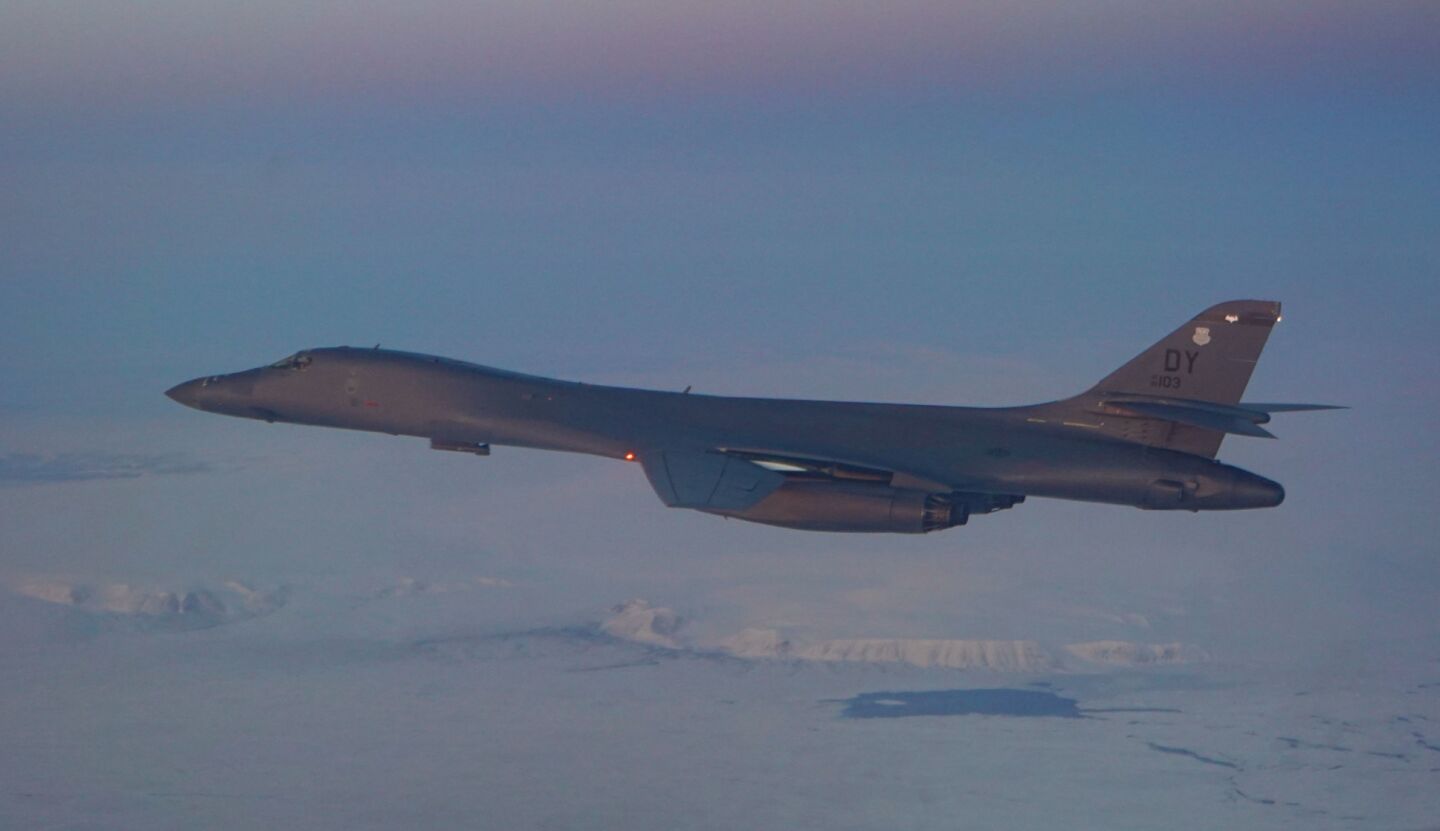
The B-1B deployment had particular significance during the conflict with Iran because the aircraft could operate from Britain considerably closer to their targets the Middle East than their permanent bases in the continental United States. Stationing the bombers at Fairford reduced the distance they needed to travel to reach the region and allowed the aircraft to conduct operations with less reliance on long-range aerial refuelling. The removal of the B-1s therefore reduces the U.S. military’s ability to rapidly generate bomber sorties against Iran from Europe. A Royal United Services Institute analyst cited by Reuters said the redeployment would in the short term reduce the ability of U.S. forces to quickly surge sorties against Iran.
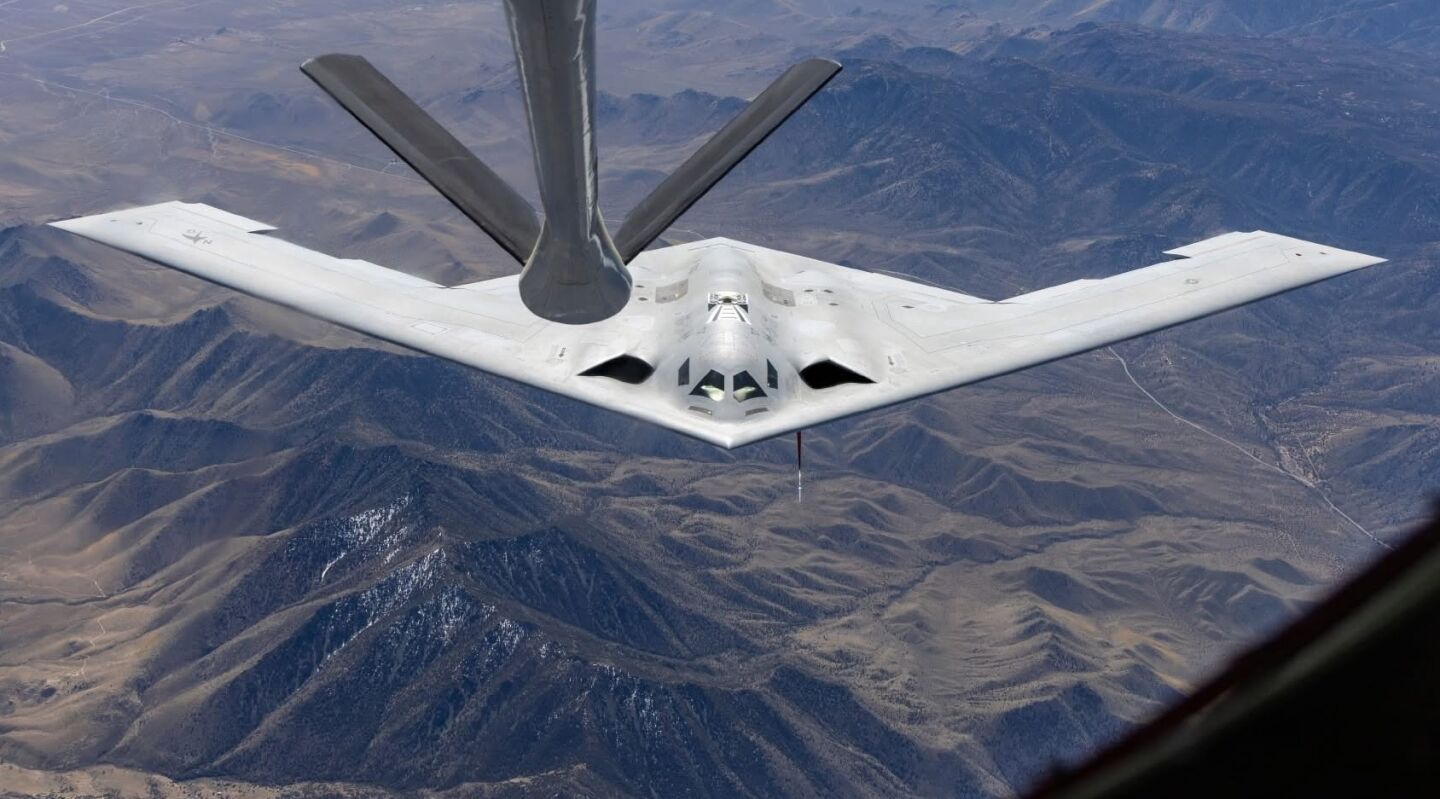
The U.S. Air Force has continued to face difficulties operating the B-1B , with the aircraft’s very high maintenance requirements and operational costs leaving over 90% of the fleet out of service at the beginning of the decade. The B-1B fleet was initially scheduled for complete retirement in the mid-2030s when they would be replaced by larger numbers of B-21 Raider stealth bombers. This led the Air Force to retire approximately 30 bombers, which were reportedly cannibalised for spare parts. The B-1B is currently considered obsolete in its original role of penetrating enemy air defences at low altitude, and has been equipped for a similar role to the B-52H - precision strikes at very long ranges using standoff missiles.
