
U.S. Suspends Deliveries of C-130J Transports Due to New Technical Issues
Military Watch Magazine Editorial Staff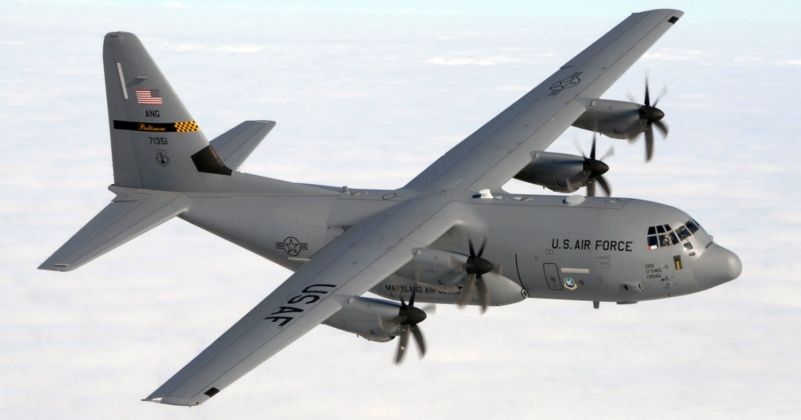
U.S. Air Force C-130 Transport
USAF
The U.S. Air Force has announced a suspension of deliveries of C-130J Super Hercules transport aircraft, after the incompatibility of a new communications upgrade was discovered during testing. Further deliveries of any of the aircraft to clients across the world will continue once the aircraft is able to reach safety, performance, and airworthiness standards. While production has not been interrupted, no deliveries are scheduled to any clients for the fourth quarter of 2025, and only two aircraft are expected to be delivered throughout the year, which is expected to cause significant delays to the fleet modernisation plans of clients across the world. The Air National Guard having been allocated a budget to procure six C-130Js in Fiscal Year 2026.
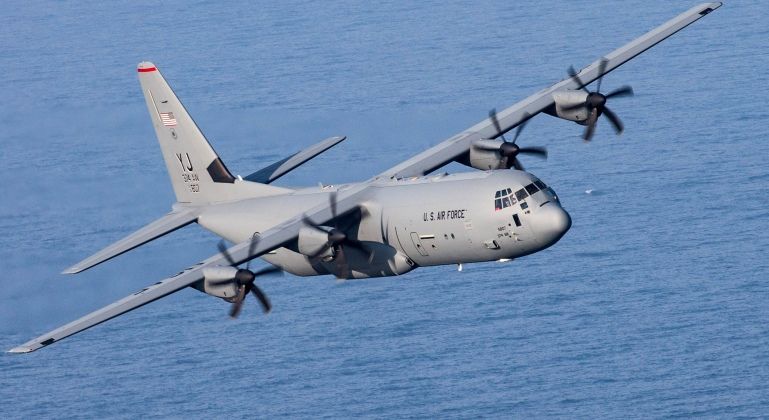
A Lockheed Martin spokesperson stated that the firm is finalising new design certification with customers, and expects to deliver 16 to 24 aircraft in 2026, thereby emphasising that production lines will continue operating despite ongoing technical challenges. The suspension of deliveries was announced less than a week after the first announcement of plans for the Republic of China Air Force to acquire ten C-130Js. The Republic of China Air Force has already cancelled a prior planned to upgrade program its C-130H transports, which have served since 1984, with the upgrade program previously intended to integrate new cockpit interfaces, enhance maritime search and rescue capabilities, add simulators, improve global positioning and reporting systems, and install to safety and collision-avoidance equipment. Delays to C-130J deliveries are not expected to force a reassessment of the local upgrade program, as continued production of the aircraft will limit the backlog of orders that forms. Major delays to U.S. arms supplies have nevertheless caused a major scandal in Taipei, with backlogs having exceeded $21 billion, raising concerns in Taipei regarding how quickly new aircraft can be delivered.
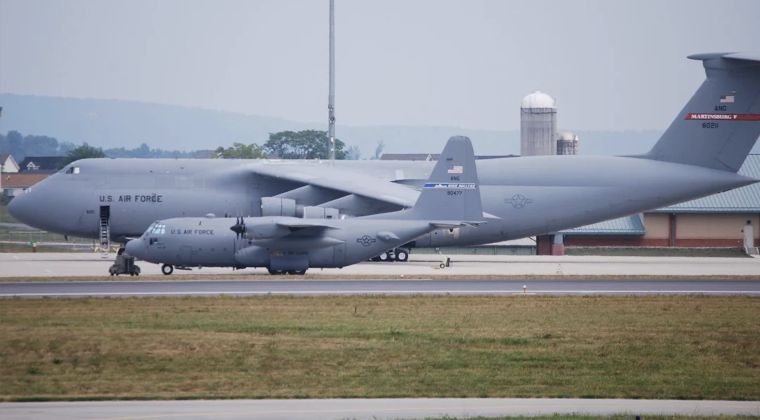
The C-130 is currently the heaviest U.S. military transport in production, with the much larger C-17 and C-5 both being out of production. The aircraft is hindered by a much smaller carrying capacity than the Russian Il-76, and moreso than the Chinese Y-20 which is the largest military transport in production worldwide. Russian plans to jointly produce a much larger transport rivalling the C-5, the An-124, were derailed following the overthrow of the Ukrainain government in 2014, as Ukraine inherited the Soviet Antonov Design Bureau’s production lines for heavy transports. Neither Russia nor the United States are expected to be able to bring larger types of transport aircraft into production for the foreseeable future, likely before the late 2030s, with Russia having struggled to restart production of theI Il-78 at an acceptable cost, while the United States civil and military production of large transports have faced growing issues. The C-5 has been out of production since 1989. This is expected to pave the way for the Chinese mainland to cement its position as the leader in heavy transport aircraft production.
