
U.S. Integrates Stealth Fighters with EMALS Supercarrier a Year Behind China: Carrier Program Delays Putting America Behind
Military Watch Magazine Editorial Staff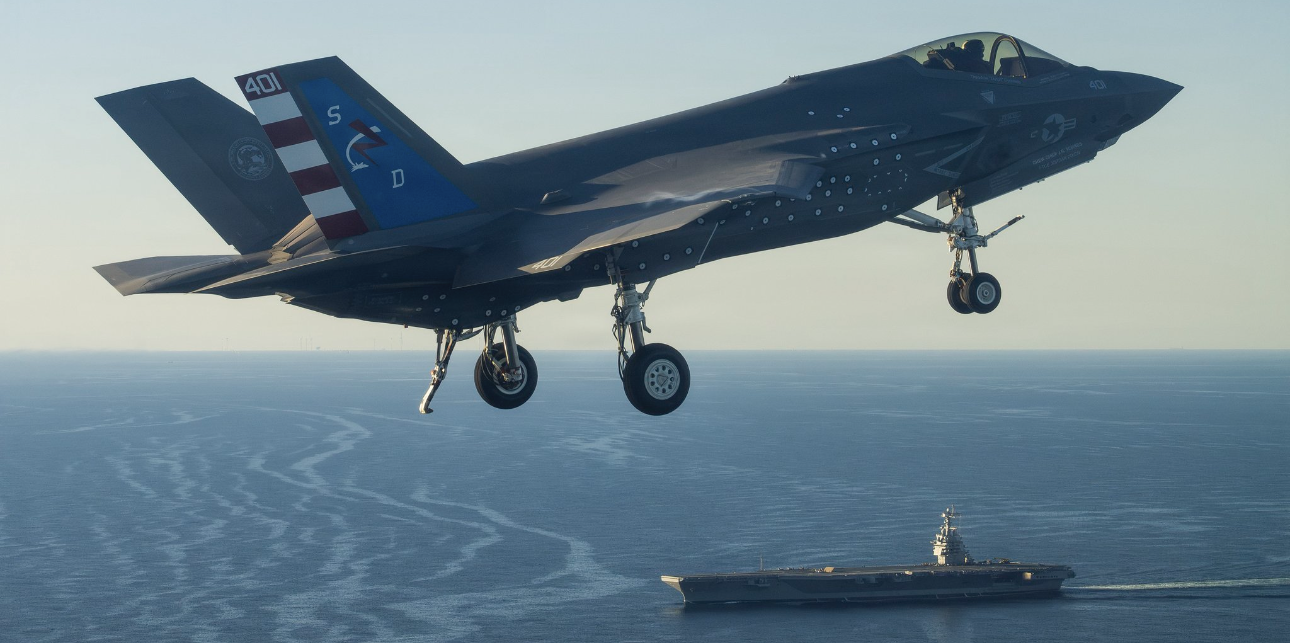
U.S. Navy F-35C and Supercarrier USS John F. Kennedy
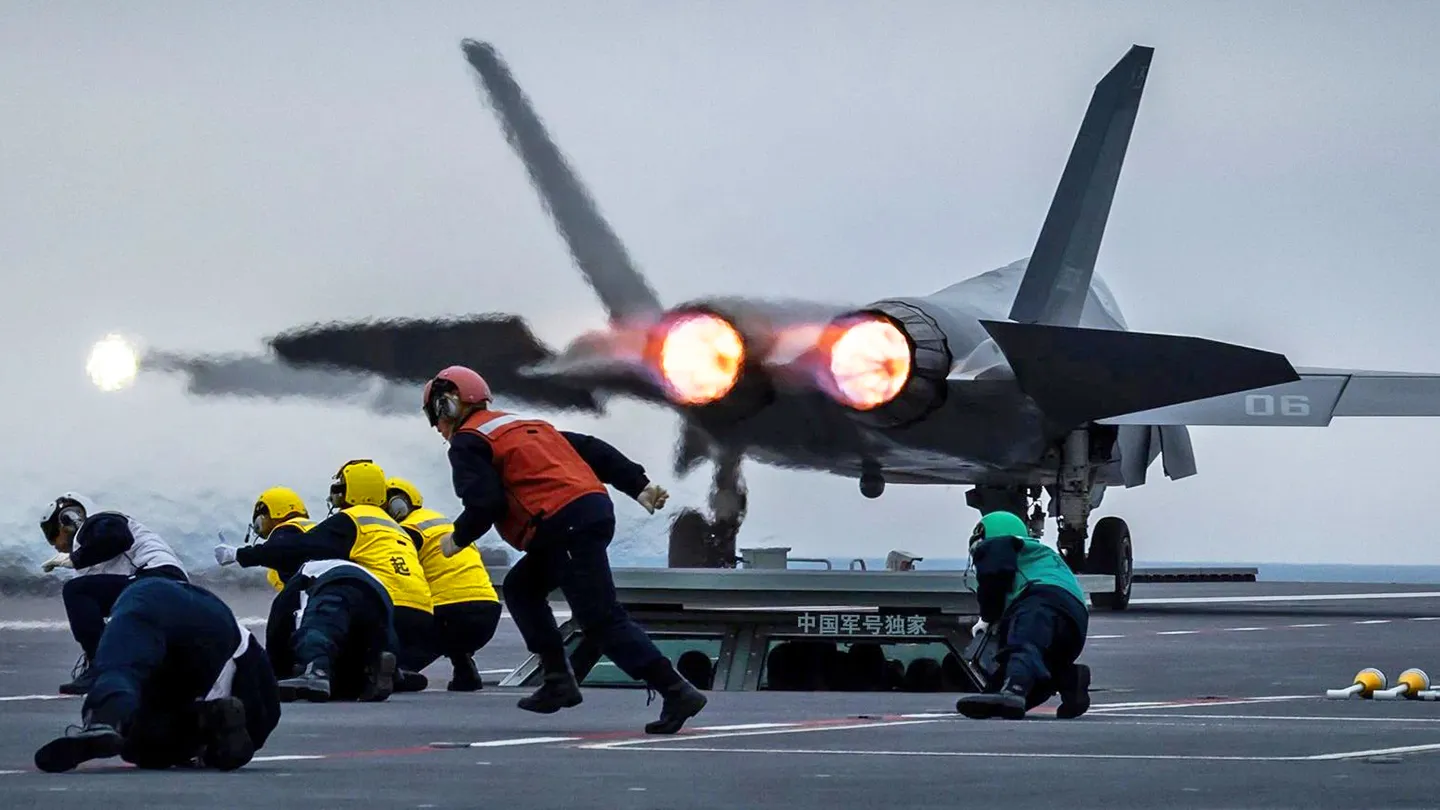
The U.S. Navy’s F-35C fifth generation fighter has made its first arrested landing aboard a Gerald Ford class supercarrier, which took place on October 13 aboard the future USS John F. Kennedy in the western Atlantic during an ongoing aircraft compatibility testing campaign. This follows several years of delays, and marks the first time a fifth generation fighter has operated from an aircraft career with an Electromagnetic Aircraft Launch System (EMALS) outside China. Delays in the United States allowed China’s rival carrier-based fifth generation fighter, the J-35, to not only land, but also begin full scale operations as part of the air wing of the carrier Fujian from 2026. The U.S. and China currently each field just one operational carrier with EMALS, the USS Gerald Ford and the Fujian respectively.
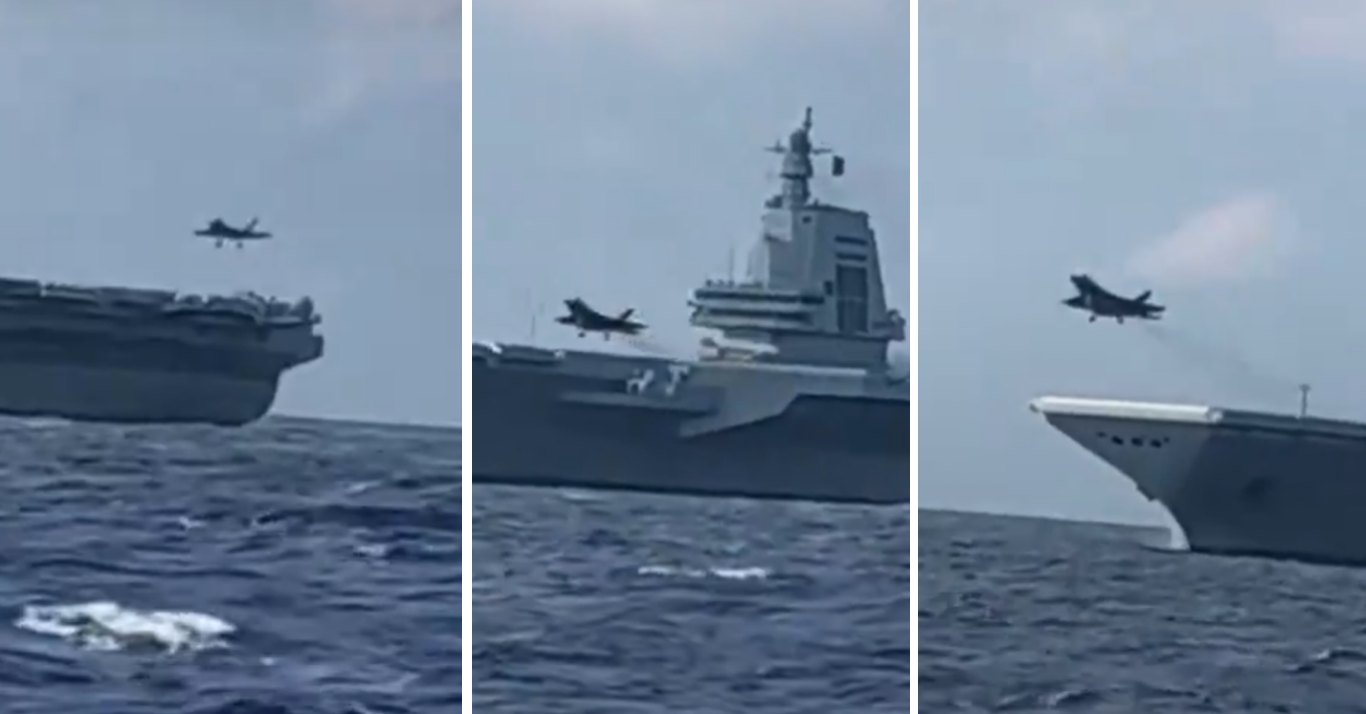
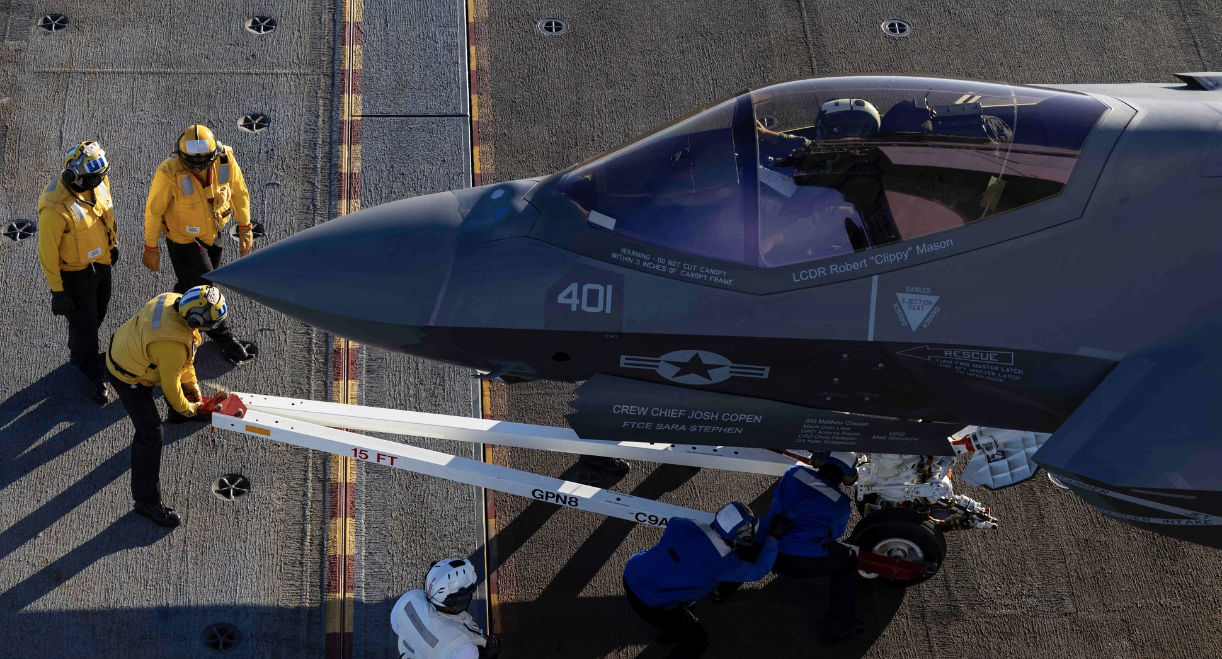
EMALS uses electromagnetic energy to accelerate aircraft along the flight deck, improving the operational flexibility and supporting higher sortie-generation rates, although their development and reliability challenges contributed to delays in the carrier programme. The successful recovery of an F-35C aboard John F. Kennedy provides an important step towards validating the integration of the aircraft with these systems. The F-35C and J-35 were both specifically designed for catapult-assisted take-off and arrested recovery aboard aircraft carriers, with reinforced landing gear and strengthened tailhooks to withstand the demanding conditions associated with carrier operations. Although the U.S. has intended to field carrier-based stealth fighters since the 1980s, the cancellation of the A-12 program, and decisions not to go forward with developing carrier-based variants of the F-22 and F-117, left the much delayed F-35 as the first to be integrated into the Navy’s air wings.
The development highlights the challenges facing the U.S. Navy as it introduces a new generation of nuclear-powered aircraft carriers. The Ford class was designed to improve the efficiency of carrier operations through advanced launch systems, arresting equipment, weapons handling and automation. However, integrating new technologies into a ship of this complexity has proved difficult, with delays affecting the program’s schedule and the availability of some capabilities. The USS John F. Kennedy was confirmed in May to have again seen its delivery date significantly delayed, following months of speculation by analysts that such delays would occur. The warship, which began construction in 2011, is now confirmed to be scheduled for launch in March 2027, meaning it will take 16 years from construction to delivery.
The next Gerald Ford class aircraft carriers benefit from a number of significant design changes that address major issues with the first ship of the class. Issues with the USS Gerald Ford have been wide ranging, affecting its weapons elevators, electromagnetic catapults, human waste management and sensors. At over $17.5 billion, it is the most costly warship ever built. Commenting on issues Project on Government Oversight report accordingly referred to the program as an example of “how not to build a ship,” with its primary radar proving to be sufficient flawed that it was decided an entirely new sensor suite was developed for future Gerald Ford class ships. Wide ranging issues with the USS Gerald Ford have persisted, with most of the aircraft carrier’s approximately over 600 toilets reported in February to have become non-functional at times, forcing sailors to wait up to 45 minutes or more for working facilities. These issues, combined with major development delays, have been key to allowing China’s carrier programs to bridge key capability gaps, and in many areas overtake the U.S. Navy.
