
U.S. Personnel ‘Standing Eyes Closed Getting Punched in the Face’ as Iranian Missile Strikes Intensify
Military Watch Magazine Editorial Staff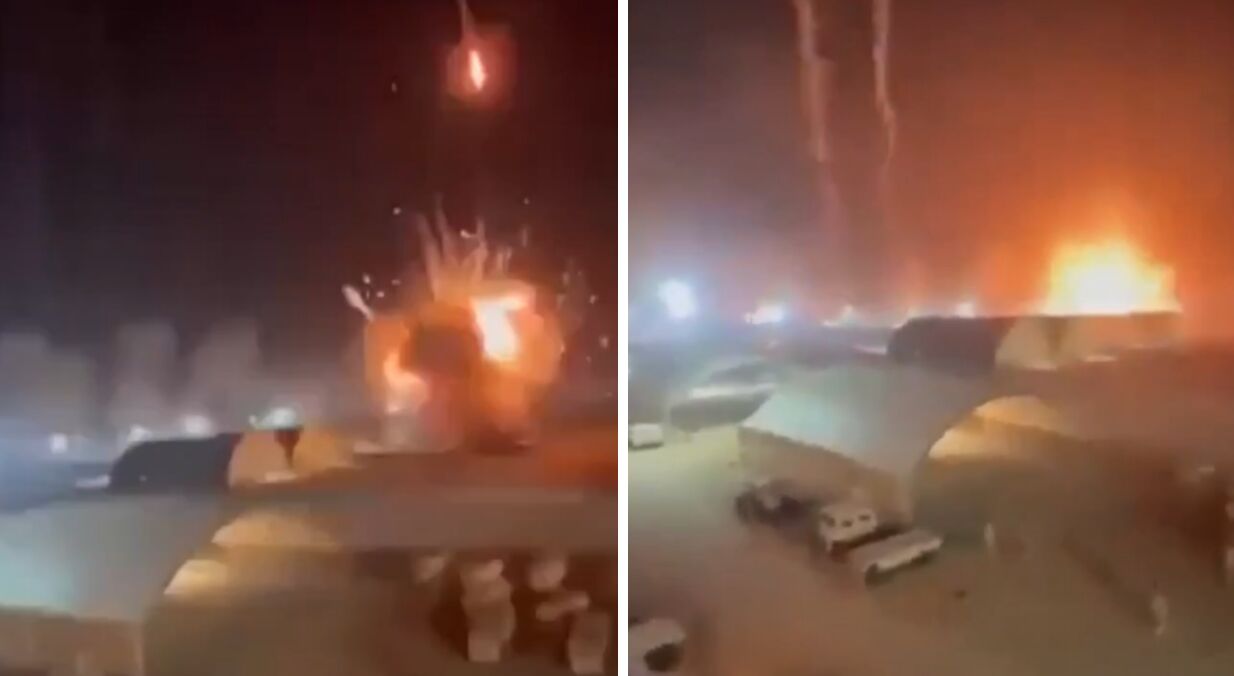
Explosions from Iranian Missile Strike on Muwaffaq al-Salti Air Base in Jordan
Newly released photographs leaked by U.S. Armed Forces personnel at facilities in the Middle East have provided a rare look at the extent of damage inflicted on American military facilities in the Middle East by Iranian missile and drone strikes during. The photographs, obtained exclusively by CBS News from serving U.S. military personnel who requested anonymity, show heavily damaged buildings, vehicles and aircraft at American positions in Saudi Arabia and Kuwait. Personnel likened the war effort to "standing there with our eyes closed getting punched in the face,” with one serviceman lamenting: "We're not defending these bases. We're just watching them get destroyed."
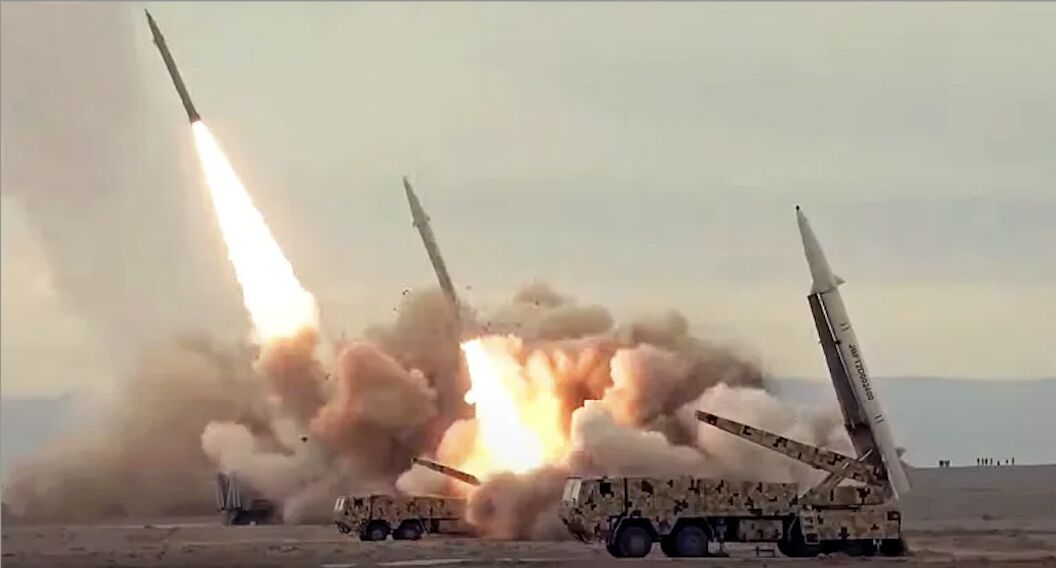
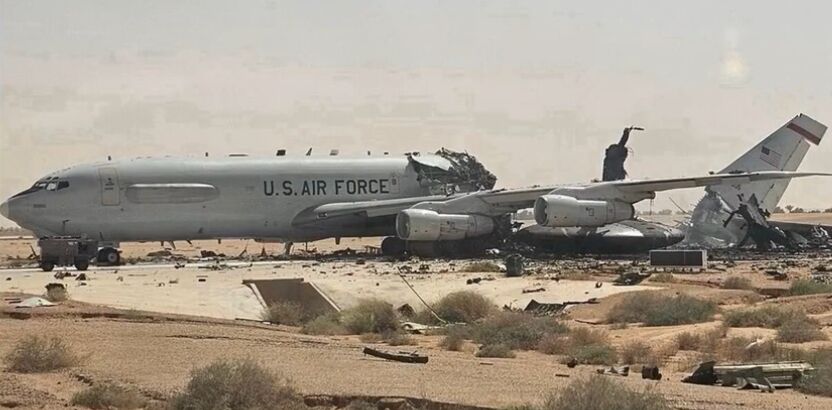
Iranian drone and missile strikes have left U.S. bases across the Middle East unusable, including the United States’ largest overseas military facility Al Udeid Air Base in Qatar. This has forced the U.S. to heavily concentrate its operations in Israel, where remaining air defences are particularly densely concentrated, and in Eastern Europe and Turkey which Iran for political reasons has not yet targeted. One of the most significant images shows an E-3 Sentry AEW&C system at Prince Sultan Air Base with its rear fuselage destroyed and its tail separated from the remainder of the aircraft. Its destruction of an E-3 on the ground also demonstrates the vulnerability of high-value support aircraft when they are concentrated at fixed air bases within range of an adversary’s ballistic and cruise missiles.
Other photographs from Prince Sultan show extensive damage to buildings and other infrastructure. The Saudi Arabian base has served as one of the most important American air facilities in the region and has hosted large numbers of combat and support aircraft during U.S. operations. Its location places it within range of Iranian long-range ballistic missiles, allowing Tehran to threaten the base without having to penetrate Saudi airspace with conventional manned aircraft. The photographs from Kuwait are similarly significant. Images taken at Camp Buehring show buildings and trailers heavily damaged or destroyed, as well as vehicles that appear to have been struck by Iranian attacks.
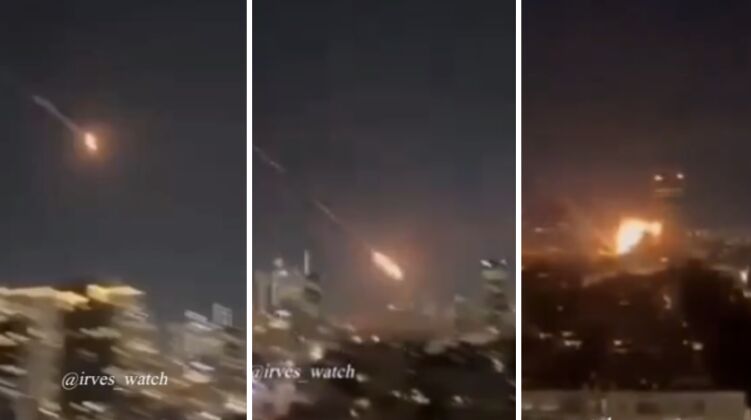
Photographs from Camp Arifjan, another major American installation in Kuwait, show additional damage to buildings. The facilities at these bases were designed to provide protection against threats such as mortar and rocket attacks, with concrete T-walls widely used around personnel and equipment. The images nevertheless illustrate the limitations of such fortifications against much larger warheads delivered by ballistic missiles and other precision-guided weapons. The Islamic Revolutionary Guard Corps has progressively refined its missile and drone operations to better exploit weaknesses in American air defences, while simultaneously forcing Washington to more rapidly expend increasingly scarce and costly interceptor missiles.
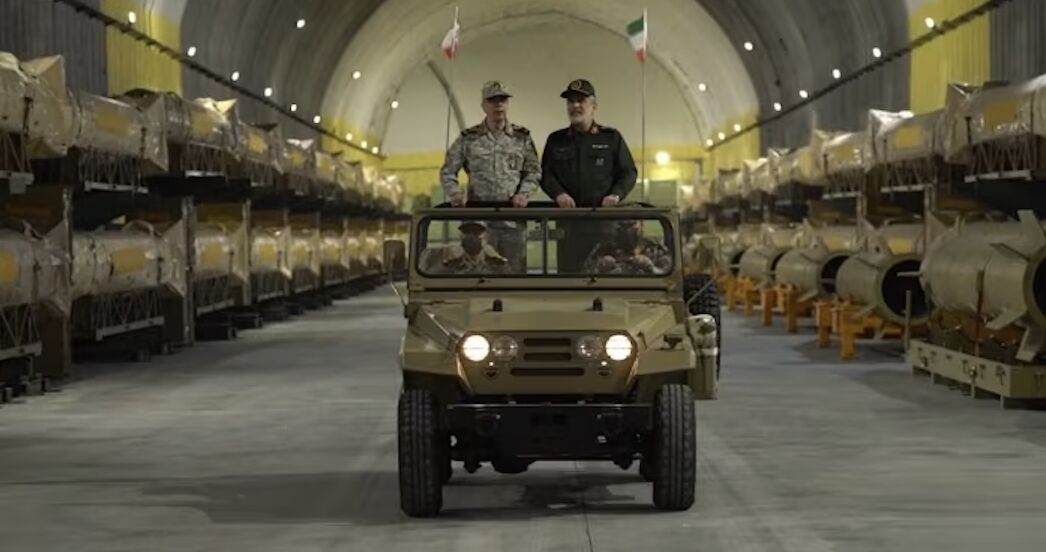
Iran has engaged its highest priority targets with more complex and costly missile types, such as the Fattah 2, which integrates a hypersonic glide vehicle that is nearly impossible to intercept. The Israeli paper Haaretz in late March confirmed that 80 percent of Iranian missiles launched against Israeli targets were impacting successfully, indicating that the much less well defended U.S. bases in Europe could be highly vulnerable. Attacks have exposed the vulnerability of fixed logistical hubs. The Pentagon Inspector General reported that Iranian strikes on the U.S. Navy’s major logistics hub in Bahrain forced U.S. Central Command to shift supply operations to alternative locations much farther from the theatre, including Diego Garcia in the Indian Ocean. This produced logistics cycles of approximately 14 to 18 days for some operations, illustrating how attacks on a relatively small number of critical facilities can have effects extending far beyond the immediate physical destruction.
