
U.S. Returns Old MQ-1 Predator Drones to Service After New MQ-9s Take Unsustainable Losses to Iran
Military Watch Magazine Editorial Staff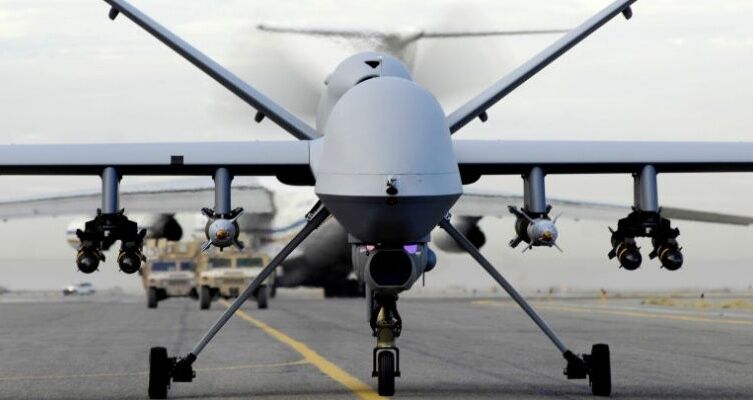
U.S. Air Force MQ-1 Predator Drone
The United States Air Force has returned the MQ-1 Predator drone to frontline service more than eight years after the type was officially retired, providing a remarkable revival for one of the most iconic combat drones of the post-Cold War era. This follows extreme losses to the MQ-9 Reaper fleet, with close to 60 Reapers having been shot down or destroyed on the ground by Iranian and allied Yemeni Ansuruallah Coalition forces, the large majority of them since February 2026, leaving the U.S. Air Force unable to sustain operations. The scale of the losses has made the availability of lower-cost unmanned aircraft increasingly important, with the Predator’s status as a previously retired aircraft making it largely expendable.
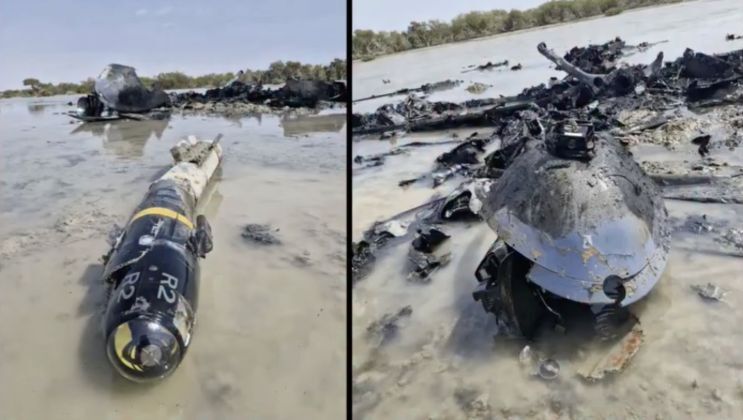
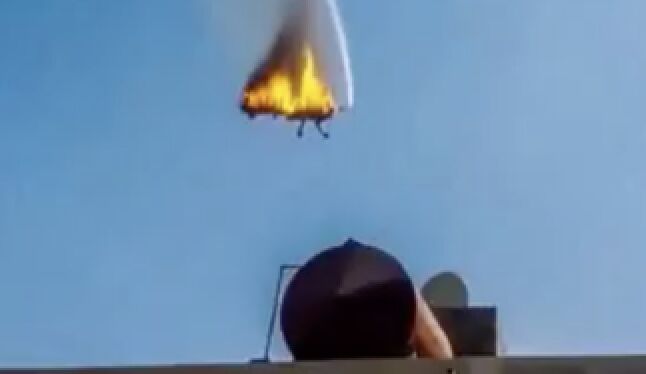
Iran has repeatedly claimed that American MQ-1 aircraft have been destroyed during the conflict. On September 21, the Islamic Revolutionary Guard Corps stated that it had intercepted a U.S. MQ-1 over the Strait of Hormuz using a new air- defence system. The MQ-9 is considerably larger and more expensive than the original Predator, while its sophisticated sensors and communications equipment make each loss particularly consequential. It remains uncertain how many Predators may have been lost in combat, however, as some MQ-1s reported destroyed appear to have been new and much more valuable MQ-1C Gray Eagles rather than old MQ-1 Predators.
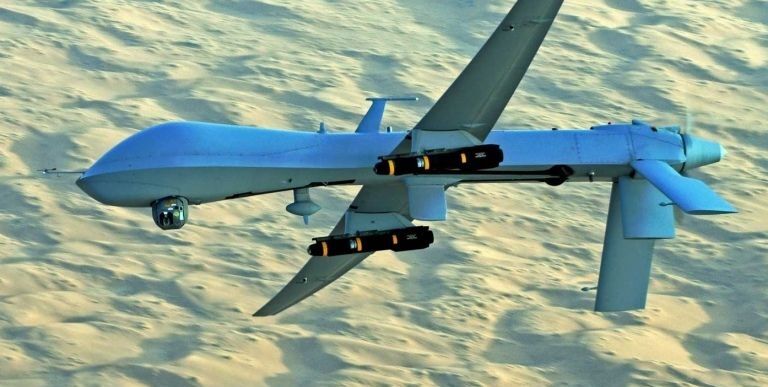
The revival of the Predator illustrates the changing economics of unmanned warfare. The original MQ-1 was designed around relatively simple and inexpensive persistent surveillance. It later became the first major U.S. armed unmanned aircraft, carrying AGM-114 Hellfire missiles in addition to electro-optical and infrared sensors. The MQ-9 Reaper was subsequently developed to provide substantially greater speed, payload and sensor capacity. Its larger airframe also allowed it to carry a considerably broader selection of weapons and equipment. Despite its superior capabilities, the Reaper’s far greater cost become a liability when deployed for high intensity operations.
The Predator’s unexpected second life consequently highlights a broader feature of the current conflict: the value of quantity alongside sophistication. An older unmanned aircraft cannot replicate the capabilities of an MQ-9, but a relatively inexpensive platform can still provide useful surveillance or serve as a test and training asset without consuming the same resources as the newest generation of American unmanned systems. While Reaper drones have formed a vital part of the U.S. Air Force’s reconnaissance-strike complex, and have been flown into contested air space for intelligence gathering and in some cases for strike operations, relying on the Predator for such missions can help preserve the much more valuable Reaper fleet.
