
Reserve U.S. Fleet of 100 Predator Drones Provides the Affordable Mass Urgently Needed Against Iran
Military Watch Magazine Editorial Staff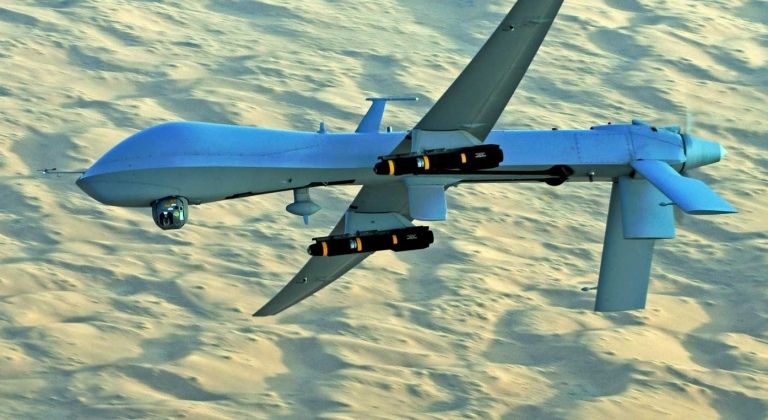
MQ-1 Predator Drone
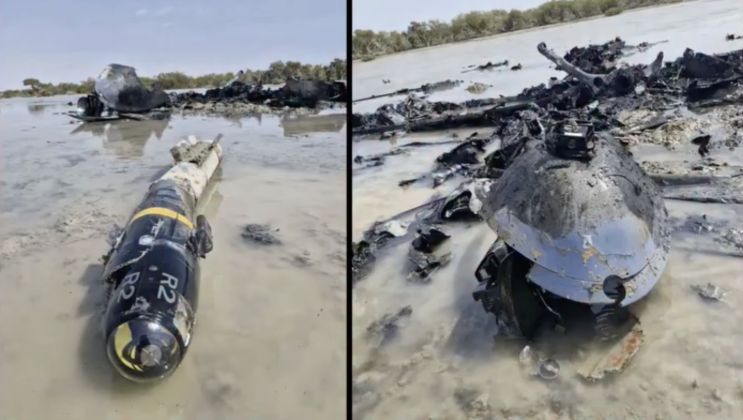
Following confirmation from the U.S. Armed Forces Central Command that an MQ-1 Predator unmanned aircraft was destroyed by Iranian air defences during engagements on May 30-31, the possibility has emerged of these older drones being relied on to provide an affordable mass for the U.S.-led war effort against Iran and its strategic partners. The MQ-1’s apparent return to service follows major losses among the fleet of MQ-9 Reaper drones that were designed to replace them, with 51 of the aircraft having been destroyed during engagements with Iranian and allied Yemeni Ansurullah Coaltion forces. A major advantage of the older MQ-1, which were retired from service in 2018, is that the fleet is significantly more expandable. Not only were the aircraft far less costly to produce, but they are also likely to be placed back in storage after hostilities with Iran conclude, meaning they are not relied on for operations in other theatres such as the Pacific.
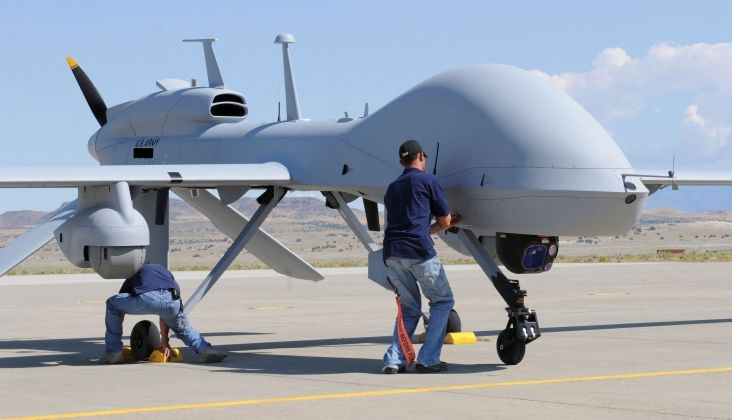
Reaper drones have formed a vital part of the U.S. Air Force’s reconnaissance-strike complex, and have been flown into contested air space for intelligence gathering and in some cases for strike operations. The MQ-1 Predator was originally designed as a reconnaissance and surveillance platform, while the MQ-9 Reaper was designed from the outset as a much larger, more capable system that could conduct both reconnaissance and strike missions. The Reaper flies higher, faster, and carries significantly more sensor equipment than the Predator, and while the older drone primarily on an electro-optical camera, infrared sensor, and laser designator, Reapers integrate more advanced versions of these sensors, and can scan larger areas, track more targets simultaneously, and transmit larger quantities of data back to operators.
The Reaper’s higher operating altitude also gives it a wider field of regard, with operators who have worked with both systems frequently note that the Reaper’s imagery is noticeably clearer than the Predator’s, especially at high zoom levels. Thus while the Predator fleet is more expendable and can absorb losses more easily, it is also is less capable in all roles. Nevertheless, it may well be considered sufficient for the requirements of operations against Iran, potentially as part of a mixed fleet in which Reapers are reserved for more critical or lower risk missions. With the U.S. having suffered unacceptably high costs from the war effort, conserving the Reaper fleet by heavily relying on Predators could be a major factor that makes future operations more straightforward.
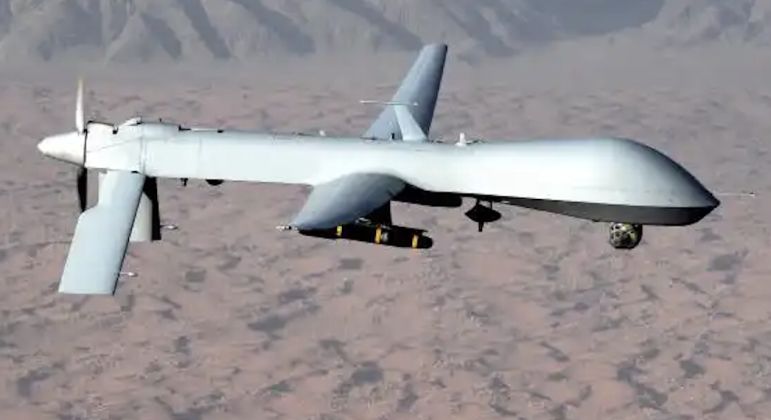
There is a great deal of commonality between Predator and Reaper crews, with requirements to fly the Predator being considerably lower due to its simplicity. This and the combined with the fact that the aircraft were retired relatively recently, and were from the outset simple to maintain, could make bringing a large part of the fleet out of service relatively straightforward. The Air Force acquired roughly 268 Predators, but losses from accidents and combat attrition reduced the fleet over time. When the type was retired in 2018, just over 100 aircraft reportedly remained in service, many of which were sent to storage at the 309th Aerospace Maintenance and Regeneration Group in Arizona. While public sources do not provide a current inventory of how many airframes remain preserved and potentially flyable, it is highly possible that a fleet of 50-100, and possibly many more, can be made available. A likely result is that victories achieved by air defences in Iran and Yemen become far less significant.
