
U.S. Navy Developing Much Needed New Tomahawk Missile with Bunker Penetration Capabilities
Military Watch Magazine Editorial Staff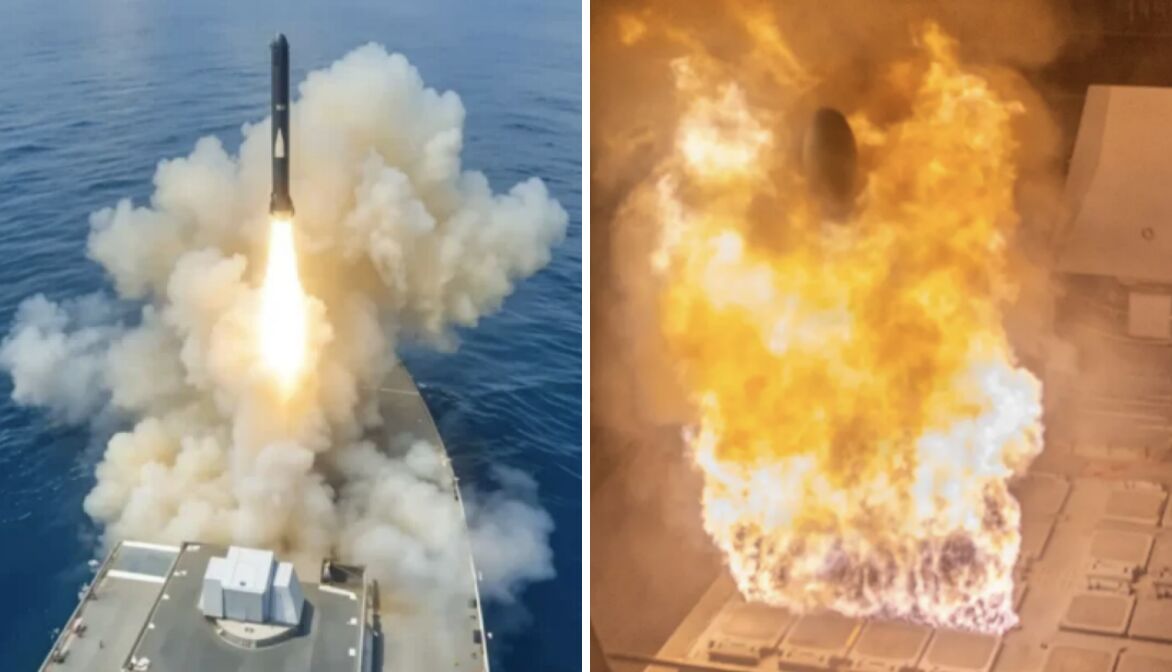
U.S. Navy Tomahawk Cruise Missile Launches Against Iran
The U.S. Navy is preparing to move a new variant of the Tomahawk cruise missile with a bunker-busting warhead into low-rate initial production, with the new weapon expected to allow for long range attacks on hardened and underground targets. At the heart of modifications is the development of the Joint Multiple Effects Warhead System (JMEWS), which will combine penetration and blast-fragmentation effects in a two-stage design, allowing a single missile to engage targets requiring different destructive effects. The U.S. Armed Forces’ difficulties targeting reinforced structures, bunkers and underground facilities, has been highlighted in the recent U.S.-led assault on Iran, where the country’s heavily fortified military bases have allowed it to sustain its war effort against America and its allies for over six months with relatively little damage to its key missile forces.
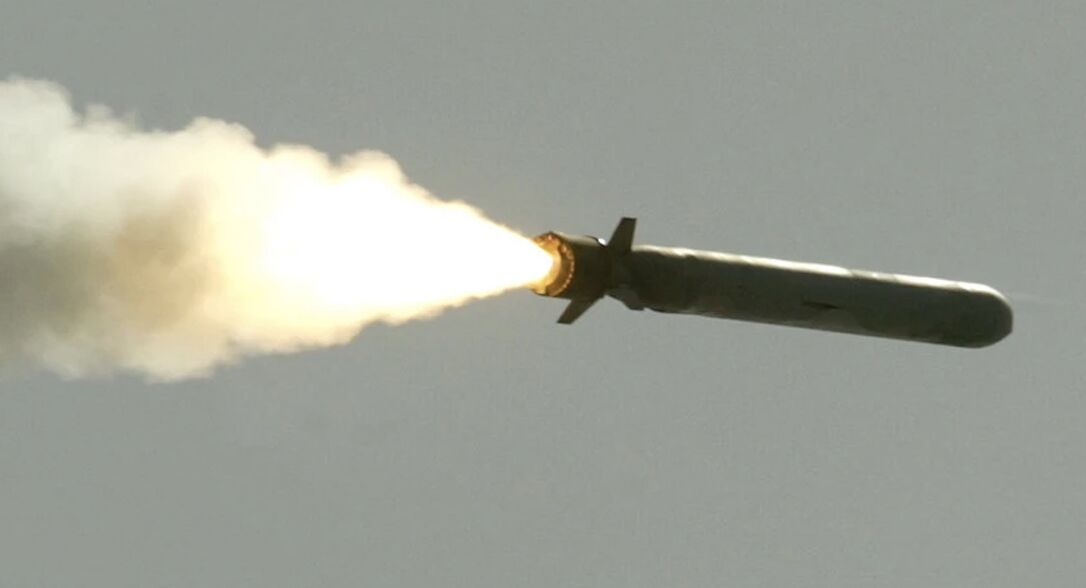
The program represents an effort to expand the capabilities of an established long-range strike weapon rather than introduce an entirely new missile. Existing Tomahawk Block IV missiles carry a unitary warhead in the 1,000-pound class, while the Block Vb configuration is intended to incorporate JMEWS. The new warhead could therefore allow the Navy to exploit the existing Tomahawk launch infrastructure while adding a specialised capability against targets that may be difficult to destroy using conventional unitary warheads. The actual effectiveness of the system against deeply buried facilities will depend on factors including the depth and construction of the target, the warhead’s penetration performance and the accuracy of the missile’s terminal guidance.
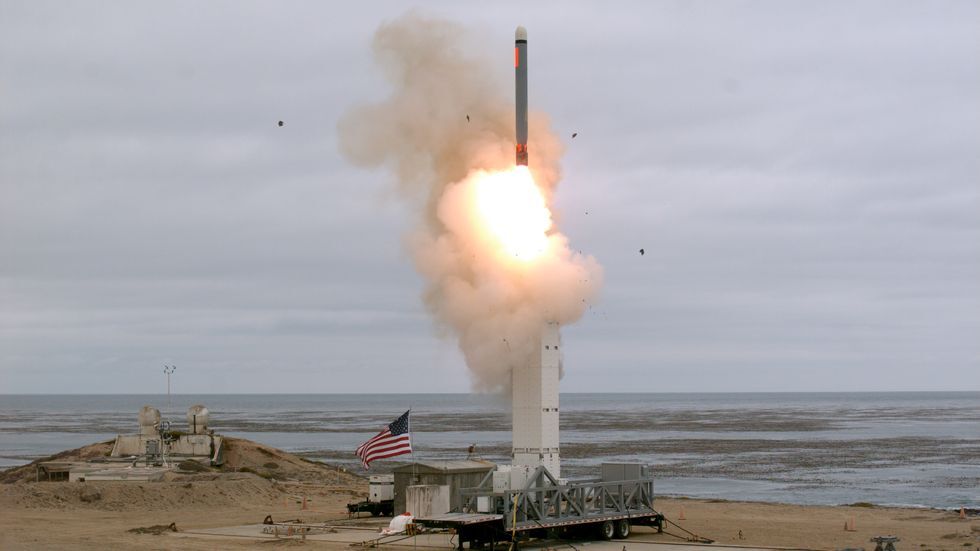
The Tomahawk arsenal is currently in the most critical state in its history due to hostilities with Iran, with the Navy by the final week of March estimated to have expended close to 1,000 of the cruise missiles, of a total arsenal of between 3,000 and 4,500 in its total inventory. The United States in May indefinitely suspended the delivery of Japan’s first 400 RGM-109 Tomahawk cruise missiles, due to serious shortages of the missiles. Stockpiles have only become more constrained since then, reflecting a broader serious depletion of American arsenals which have for many categories of armaments been much more severe.
The Tomahawk Block V has an estimated 1,700 kilometre range, and flies at low altitude using terrain-following guidance, making interception difficult. Modern variants combine GPS navigation with Terrain Contour Matching, Digital Scene Matching Area Correlation, two-way satellite communications and in-flight retargeting capability. Operators can redirect the missile after launch, command it to loiter while awaiting updated target information, and even receive post-strike battle damage data. The Tomahawk is nevertheless limited to flying at low subsonic speeds, and lacks stealth capabilities, which makes it relatively straightforward to shoot down for advanced multi-layered air defence networks.
