
U.S. Military Forced to Cut Training Levels Due to Funding Shortages from Iran War
Military Watch Magazine Editorial Staff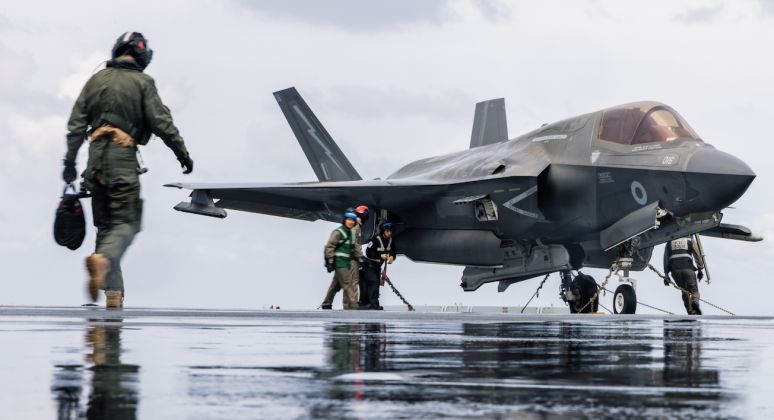
F-35 Pilot and Ground Crew
UK MoD
The escalating cost of the U.S. military campaign against Iran are beginning to affect the readiness of U.S. Armed Forces, with Pentagon officials confirming that training activities will have to be reduced unless Congress rapidly approves tens of billions of dollars in additional funding. Speaking before the Senate Appropriations Committee, Defense Secretary Pete Hegseth revealed that the war has now cost the United States approximately $37.5 billion, a dramatic increase from previous estimates, while warning that the Pentagon is already being forced to divert funds away from normal military activities. The costs of sustaining a large presence in the Middle East, depleting increasingly scarce reserves of precision guided weapons, and losing tens of billions of dollars’ worth of equipment to Iranian strikes, have been unprecedented in the last 80 years, and are expected to deplete U.S. military capabilities for several years.
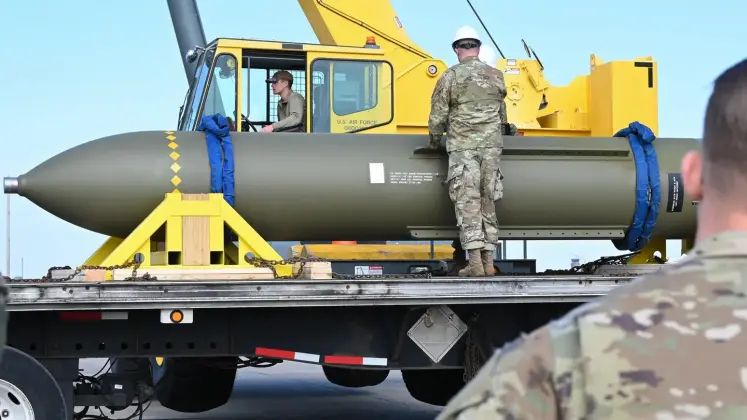
"There is training, training right now and training in the future, that would have to be curtailed if we do not get our budget needs met and met urgently," Secretary Hegseth told lawmakers, while defending the administration's request for $67.1 billion in supplemental funding. The warning represents one of the clearest indications yet that the prolonged conflict with Iran is beginning to affect the broader readiness of U.S. forces rather than simply consuming weapons and operational budgets. Pentagon officials estimated the conflict had cost approximately $25 billion in late April, before revising that figure to $29 billion in May and approximately $30 billion by June. Continued large-scale air operations, naval deployments, missile defence activities and retaliatory strikes have now pushed the estimated cost to $37.5 billion.
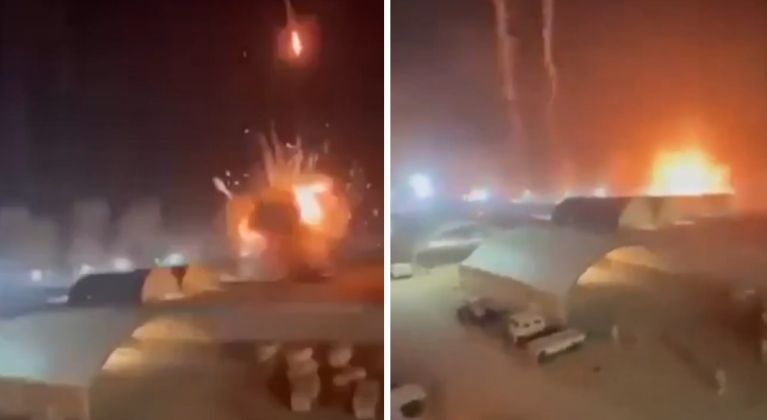
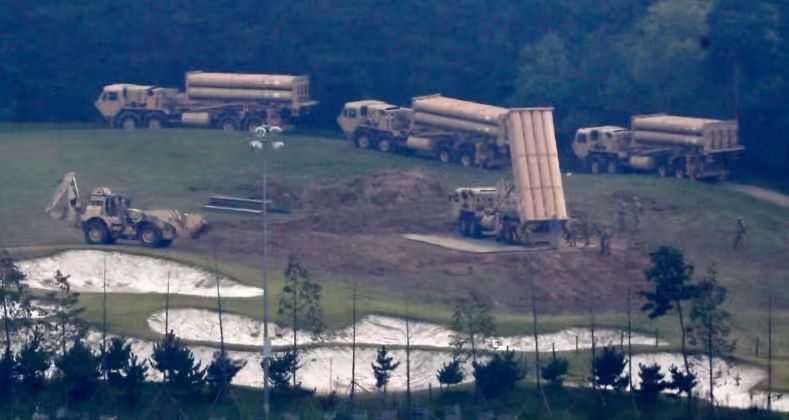
Analysts have widely questioned the $37.5 billion figure, with expenditures of interceptors from the THAAD missile defence system alone having cost over $4.5 billion at a conservative estimate. Cost estimates notably exclude excludes much of the costs of rebuilding infrastructure damaged during Iranian strikes. The issue of strain placed on America’s inventory of advanced precision-guided weapons extends beyond replacing weapons already fired, with senators having questioned whether the United States retains sufficient inventories to respond simultaneously to other potential crises, particularly in the Pacific.
The impact on training has particularly concerned defence analysts because military readiness depends not only on equipment availability but also on maintaining pilot proficiency, unit cohesion and large-scale exercises. Curtailing flying hours, naval deployments and live-fire exercises can quickly degrade combat effectiveness, especially for highly technical platforms such as fifth-generation fighters and advanced air defence systems. Previous post-Cold War conflicts generally affected only limited portions of the U.S. military, whereas the scale of current operations in the Middle East has required sustained deployments across the Air Force, Navy and Marine Corps. Training levels for U.S. combat aviation have already suffered considerably due to major cost overruns in major programs, most notably the F-22 and F-35 fighters, which are far more costly to operate than the programs initially intended. In part as a result, Chinese pilots already receive considerably more flight training hours per year than their U.S. counterparts.
