
F-35 Slammed as Too Costly to Fly: Program Suffering $10 Billion Funding Gap Over Next Five Years
Military Watch Magazine Editorial Staff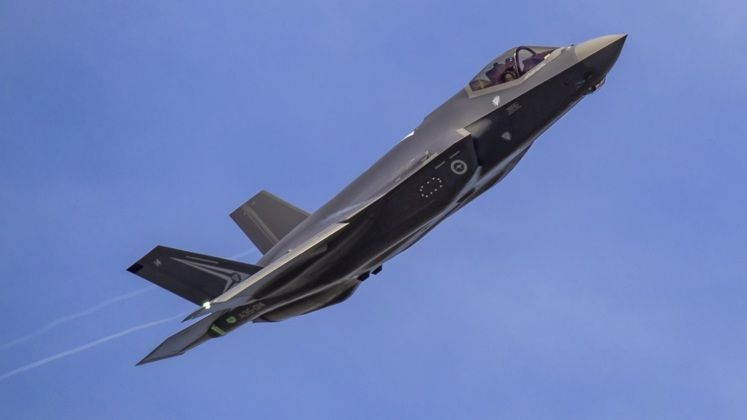
F-35 Fifth Generation Single Engine Fighter
The most expensive weapons program in world history, the F-35 Joint Strike Fighter fifth generation fighter jet, is reportedly suffering from a spending deficit of up to $10 billion under the Pentagon’s latest five year budget plan. The F-35 program has an estimated cost of over $1.7 trillion over its lifetime, and while the cost of each F-35A fighter has seen its cost decline considerably to just $80 million per aircraft due to the benefits of large scale production, the costs of research and development, weaponry, and most importantly of fuel, spare parts and maintenance have made the aircraft extremely costly. Although the F-35’s operational cost is significantly lower than that of the F-22 Raptor, its heavier twin engine counterpart which integrates many of the same technologies and entered service ten years before the F-35A, the fact that over 3000 F-35s are expected to be built - compared to just 187 F-22s - means a high operational cost will be considerably less affordable for the F-35 fleet than it was for the F-22 fleet. The F-35 was designed to be a low cost lightweight multirole aircraft which would form the backbone of the American and allied fleets, a successor to the F-16 and F-18 platforms, both of which were designed to prioritise low operational costs due to the large numbers they were to be fielded in.
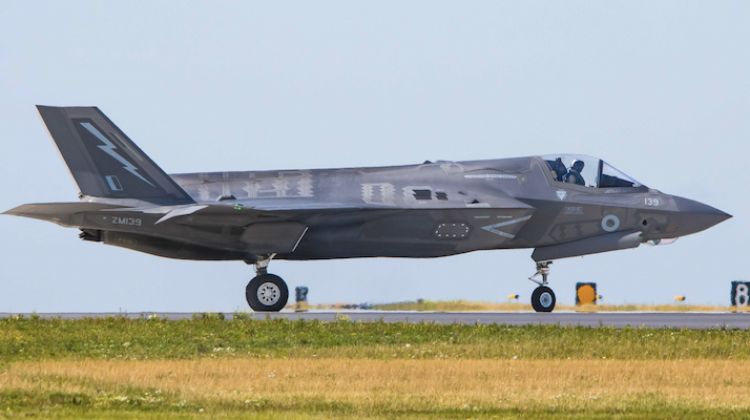
Almost 75% of the cost of the F-35 program is attributed to operational costs, which remain far higher than expected with the design’s excessively high maintenance requirements and fuel consumption well ahead of any other single engine jet in the world. One result of the aircraft’s high maintenance has been a low availability rate in the U.S. Air Force - as it is far more difficult and expensive to keep F-35s prepared for combat than an F-16 or F-18. Estimated support costs once the planes are built have increased about 7% over a 2012 estimate, and while further significant increases are unlikely, unless there is a major drop in current costs the U.S. Military will likely be forced to reduce the number of F-35s it plans to induct into service - either making squadrons smaller or reducing the number of total squadrons. The F-35 is a potentially formidable aircraft which is prized for its radar evading capabilities and powerful electronic warfare and sensor suites, and it integrates the most powerful engine of any fighter in the world today. The fighter has been the subject of considerable controversy duet to major delays in the program, the design’s very low speed and lack of manoeuvrability, and the fact that the aircraft is still very far from combat ready despite officially entering service in 2014 and 2015 for the respective B and A variants. Despite serious ongoing performance glitches, the F-35 program is widely considered ‘too big to fail’ meaning that even if orders are cut, significant additional investment for at least the next two decades is expected.
