U.S. F-22 Fighter Debuts New Role as Controller for FQ-44 Unmanned Stealth Jets
Military Watch Magazine Editorial Staff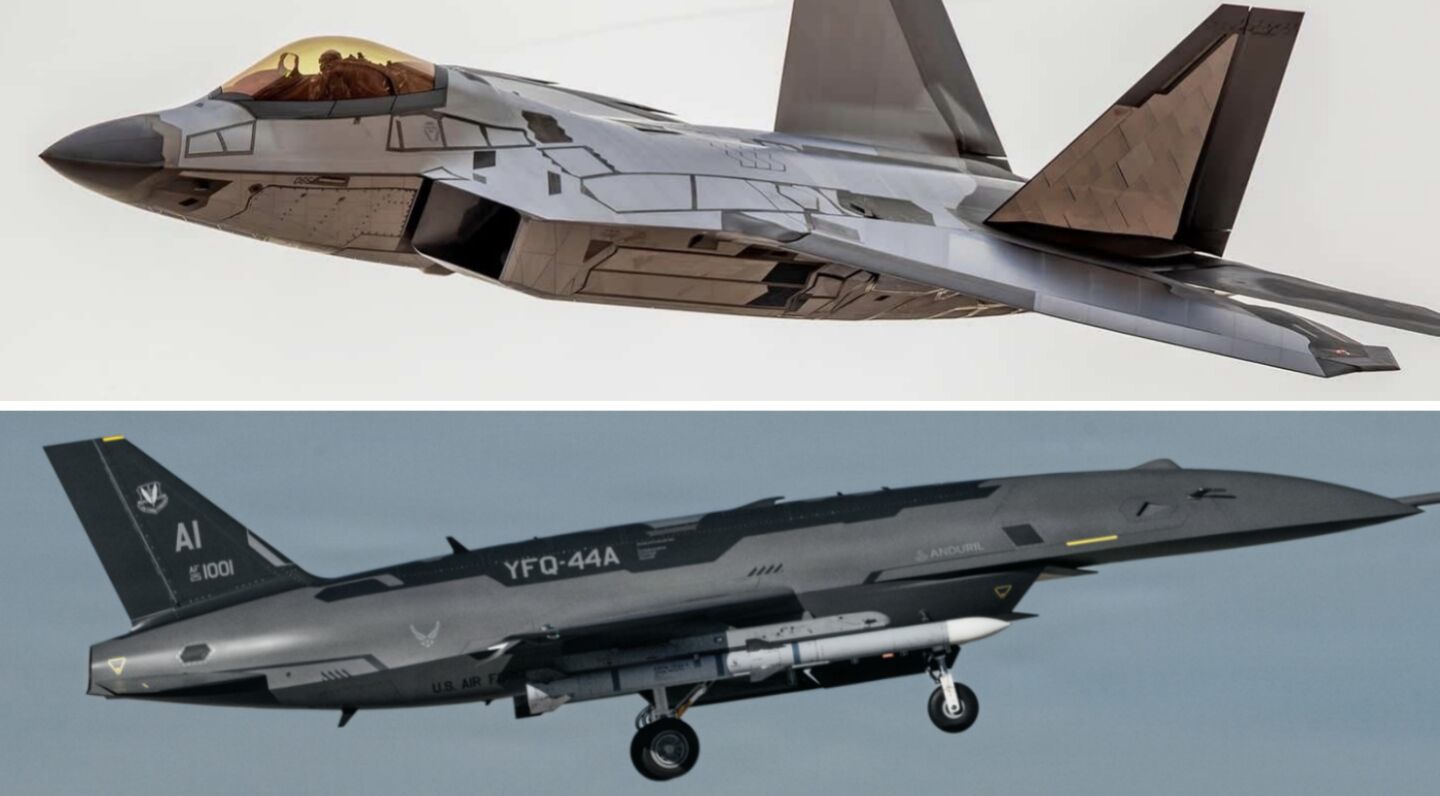
F-22 (top) and FQ-44A
The U.S. Air Force has successfully demonstrated an F-22 fifth generation fighter controlling an YFQ-44A Fury unmanned fighter in flight for the first time, marking a major milestone in efforts to integrate autonomous aircraft into future manned combat formations. According to the Air Force, the F-22 pilot acted as an airborne “quarterback,” issuing high-level tactical directives to the drone. Fury’s onboard autonomy software interpreted and executed the commands in real time, conducting dynamic flight manoeuvres and simulated combat tasks. The test is part of the Air Force’s Collaborative Combat Aircraft (CCA) programme, which aims to deploy autonomous aircraft alongside crewed fighters to expand the scale and capabilities of its air combat formations.
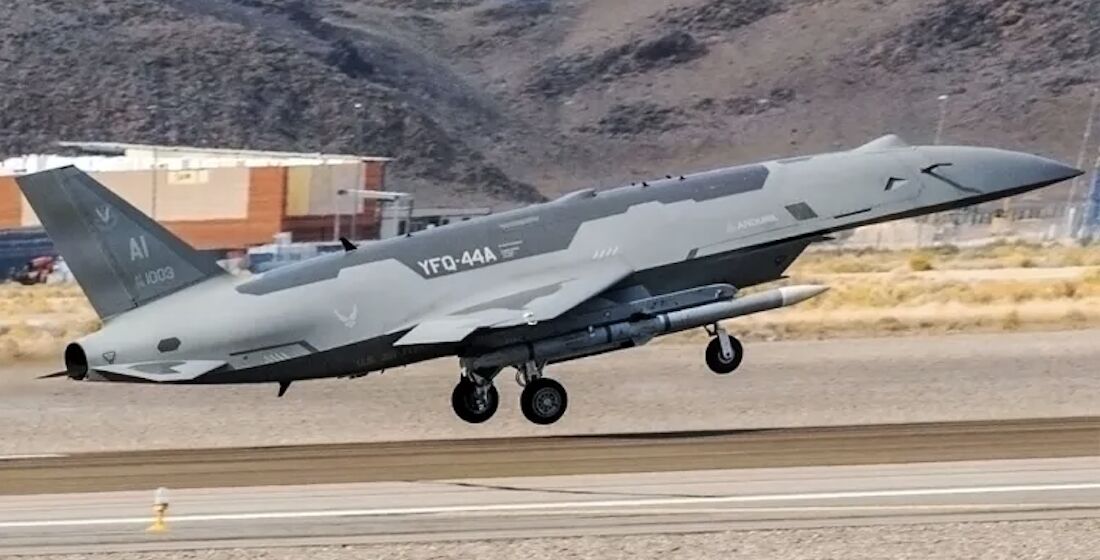
Enabling crewed fighters to direct unmanned fighters without requiring pilots to control every movement individually is expected to allow a single fighter pilot to coordinate multiple aircraft during combat, distributing missions across a larger formation while retaining human oversight of key tactical decisions. This can serve as a force multiplier for manned fighter units, particularly as the training and sustainment costs of unmanned fighter types are outstandingly low. he Air Force has selected two aircraft for the first phase of its CCA programme, namely the FQ-44 Fury and FQ-42A Vengeance, with the service aiming to procure at least 500 Increment 1 aircraft by 2032, with initial operational deployments expected around the end of the decade. The service is also planning a follow-on Increment 2 programme that could introduce additional designs.
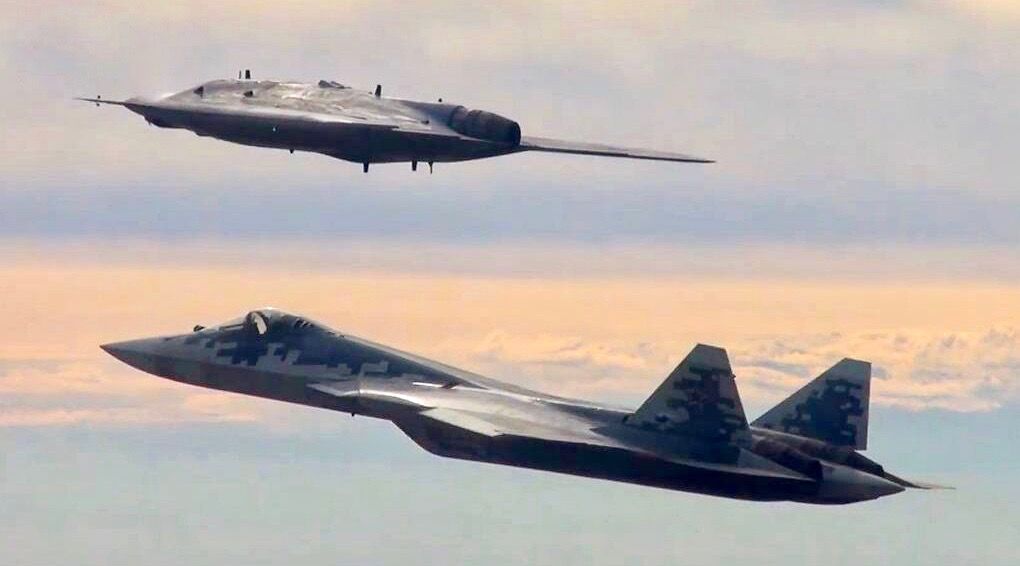
The F-22’s viability for high intensity combat has long been in question, with its lack of air-to-ground or anti-ship missiles, and ageing data links, stealth features, and broader computer architecture limiting its effectiveness relative to more advanced fighter types like the F-35 and F-15EX. While the Air Force has moved to retire the F-22 from service decades ahead of schedule, limited procurements of newer fighter types means that they will continue to be relied on into the mid-2030s. Upgrades planned for the aircraft remain conservative, and notably fall short of replacing its radar which is technologically close to 30 years behind the cutting edge. Although they will continue to be hampered by their short ranges, other deficiencies of the F-22 could potentially be mitigated by integrating them with unmanned aircraft, which can serve as decoys, offboard sensors, and carriers for a much more diverse array of missile types.