
U.S. Further Expands Nuclear Attack Submarine Forward Basing in the Pacific with New Ships on Guam
Military Watch Magazine Editorial Staff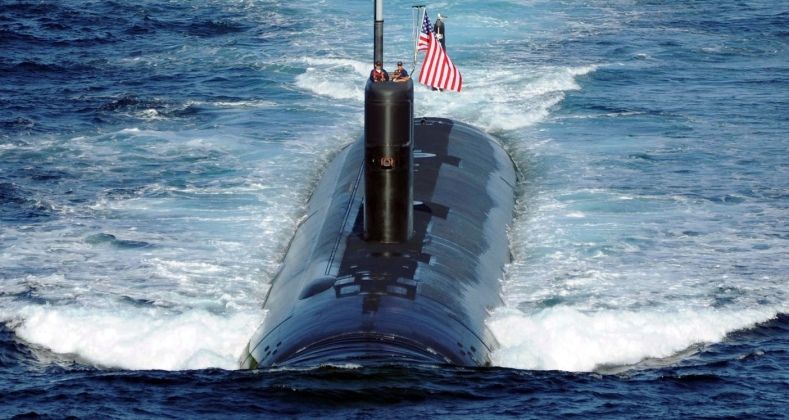
U.S. Navy Los Angeles Class Nuclear Powered Attack Submarine
The U.S. Navy has permanently relocated the Los Angeles class nuclear-powered attack submarine USS Tucson from its previous homeport at Pearl Harbor, Hawaii, to Naval Base Guam, as part of a much broader effort to strengthen the service’s forward-deployed undersea posture in the Western Pacific targeting China. The submarine arrived at Apra Harbor on July 10, replacing the USS Jefferson City, which has returned to Pearl Harbor. The relocation significantly enhances the Navy's operational posture because Guam occupies one of the most strategically valuable positions in the Pacific, just 2,700 kilometres from the Taiwan Strait and considerably closer to the South China Sea than Hawaii. Guam enables submarines to reach potential operating areas several days sooner than if they were deployed from Pearl Harbor or the U.S. West Coast.
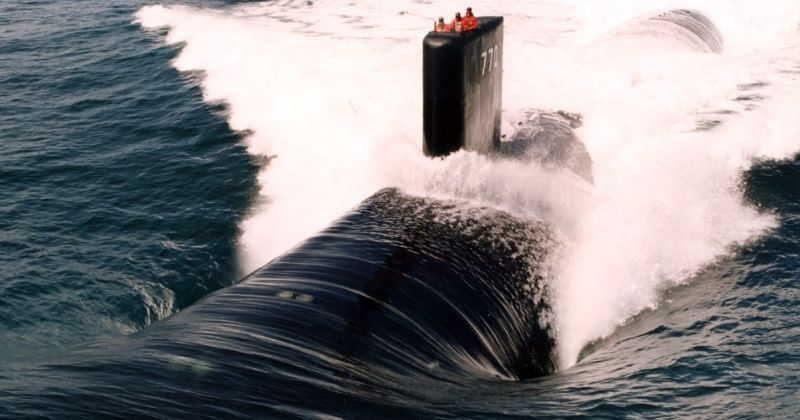
USS Tucson is a Los Angeles class nuclear-powered attack submarine. It integrates 24 torpedo tube-launched weapons and 12 dedicated vertical launching system tubes for launching Tomahawk cruise missiles. Reduced transit times allow submarines to spend a much greater proportion of their deployments conducting operational patrols rather than travelling to and from theatre, increasing the effective size of the force available during both peacetime surveillance and wartime operations. The move also reflects the growing importance that the United States places on attack submarines in any potential conflict with China. While surface ships are increasingly vulnerable to long-range anti-ship ballistic missiles, cruise missiles and extensive satellite surveillance, nuclear attack submarines remain among the few platforms capable of operating deep inside heavily defended waters.
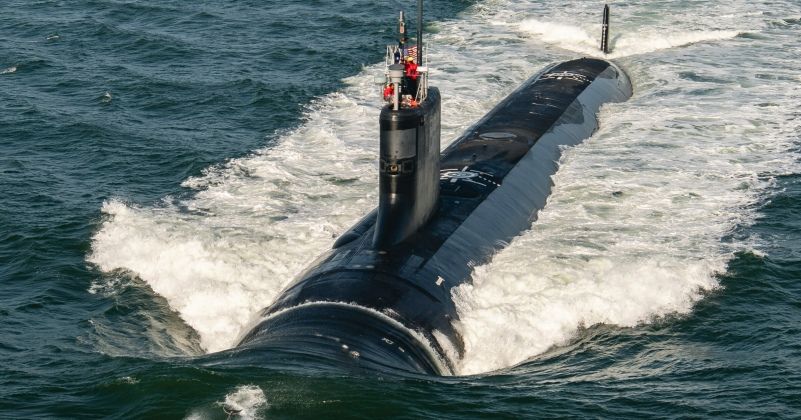
The U.S. Navy in November 2024 began its first permanent forward deployment of a Virginia class submarine to Guam as part of the broader pivot of its forces to focus on targeting China. Commenting on the decision to station Virginia class submarines on Guam, the Navy announced in 2024: “The security environment in the Indo-Pacific requires that the U.S. Navy station the most capable units forward. This posture allows flexibility for maritime and joint force operations, with forward-deployed units ready to rapidly respond to deter aggression and promote a peaceful and prosperous Indo-Pacific region.” The change in the basing of the USS Tucson is thus part of a wider restructuring of U.S. submarine basing throughout the Pacific. Submarine Squadron 15 at Guam has steadily expanded in recent years, with additional newer Los Angeles class submarines rotating into the island as the Navy seeks to maintain a permanently forward-deployed attack submarine force.
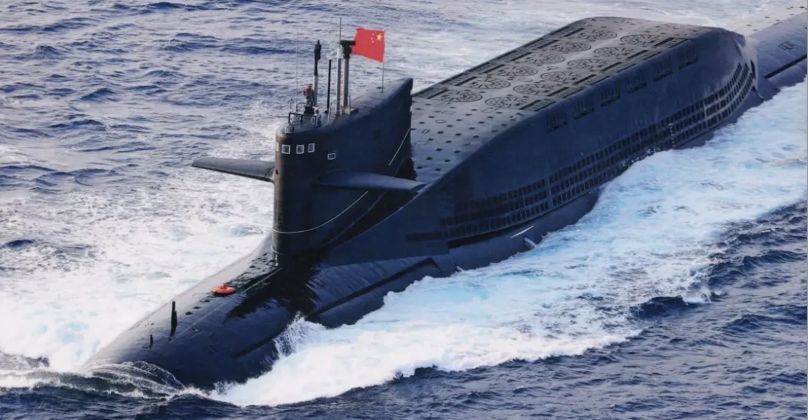
Complementing the expanded basing of attack submarines in Guam, in June the U.S. Navy established a new submarine squadron at the Royal Australian Navy base HMAS Stirling in Western Australia, as part of broader efforts to refocus the large majority of American attack submarine operations to the Pacific theatre. The squadron’s basing in Australia creates a new forward command element to support rotational submarine operations integrated with Royal Australian Navy counterparts and oriented toward the waters of the Western Pacific. A primary role of nuclear powered attack submarines based in Australia will be to seek and destroy Chinese, North Korean and Russian strategic ballistic missile submarines such as the new Chinese Type 096 class ships, which are key parts of these countries’ nuclear deterrents, allowing the U.S. to achieve escalation dominance with its own less vulnerable nuclear forces. Insertion of special forces and interdiction of commercial shipping are further primary roles.
