
U.S. Continues to Rapidly Expand KC-46 Tanker Fleet Despite Major Performance and Survivability Issues
Military Watch Magazine Editorial Staff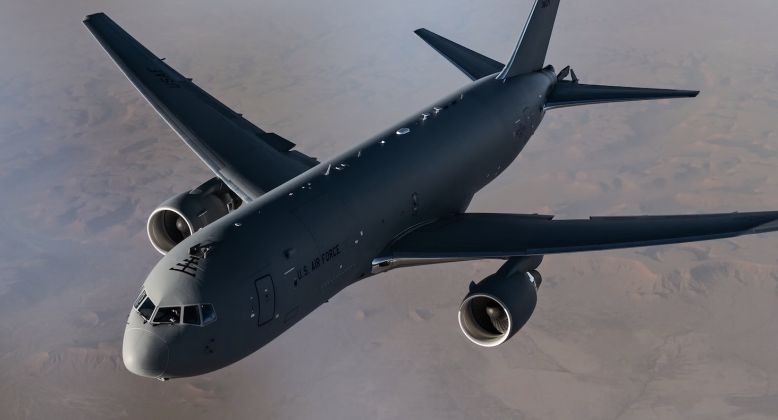
U.S. Air Force KC-46 Tanker
The U.S. Air Force has received its 105th KC-46A Pegasus airborne tanker, with the aircraft intended to serve under the 22nd Air Refuelling Wing. The KC-46 is a military derivative of the Boeing 767 freighter family with an internal fuel capacity of 96,290 litres, of which up to 94,200 litres can be transferred to receiver aircraft. The aircraft combines a strategic range and heavy fuel load with a flexible cabin and cargo architecture that gives commanders far more utility than older tanker types. Although the U.S. Air Force has been eclipsed by foreign services in many of its capabilities, and has seen its capabilities closely rivalled in others, its tanker fleet remains totally in a league of its own in size. This reflects the fact that procurements are influenced by a requirement to operate globally, and that U.S. fighters have much shorter ranges than their Chinese and Russian counterparts making them more dependant on refuelling support.
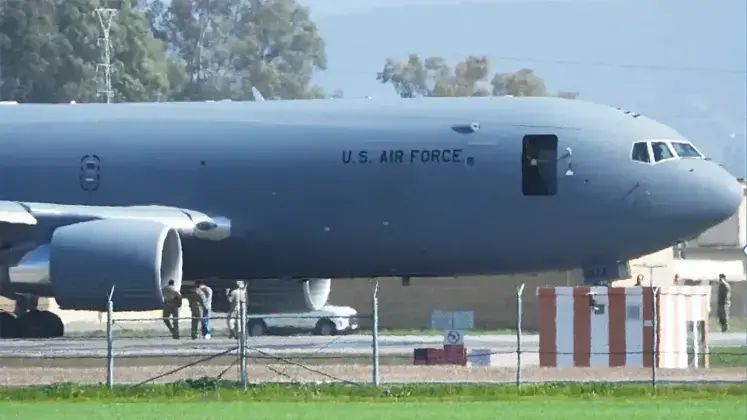
The KC-46 fleet has been plagued by persistent high-level technical deficiencies, among which have been the malfunctioning of its remote vision system and its refuelling boom, and a history of fuel system leaks. The aircraft’s mission capable rates have also remained outstandingly low, with these issues having led the Air Force to cease procurements. These issues gained greater attention after the failure of a KC-46 to take off at Moron Air Base in southern Spain left the facility’s runway closed for several days, delaying a weeks long military buildup against Iran. The KC-46 remains a high priority program, with the aircraft relied on to replace ageing Cold War era KC-135s, which have suffered significant losses during engagements with Iranian forces and Iraqi paramilitary groups in March.
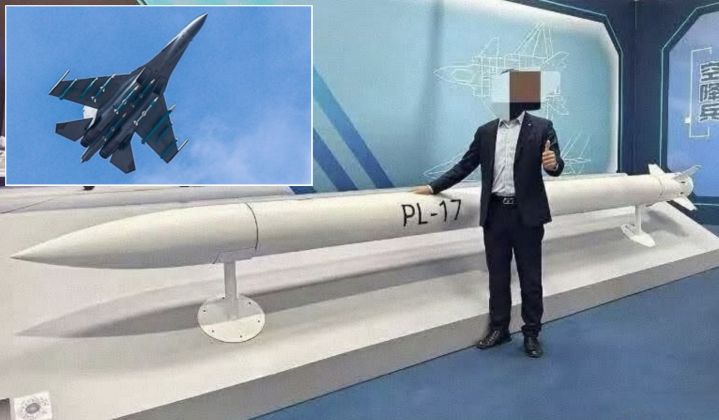
Shortcomings with the U.S. tanker fleet have been widely highlighted by Air Force sources, with the fast improving long range targeting capabilities of Chinese fighters and air defence systems leaving the survivability of aircraft like the KC-46 in serious question. Questions have also been raised regarding the sufficiency of the tanker fleet to support extended air campaigns against less capable adversaries such as Iran, due to their ability to strike key airbases across the Middle East and beyond, thus requiring fighters to fly longer distances to reach their targets. Chief of Weapons and Tactics at Air Forces Central Major Claire Randolph, who was one of the planners for air strikes against Iran, similarly thus noted: “I worry a lot about the tankers… I think—because it’s not sexy, it’s not a weapon, and it’s not a fighter and it’s not a bomber—the tankers are often really left out in this conversation.”
