
U.S. Army Secretary Explains How Ukraine Conflict Has Deeply Transformed Modern Warfare: Pentagon Rapidly Adapting
Military Watch Magazine Editorial Staff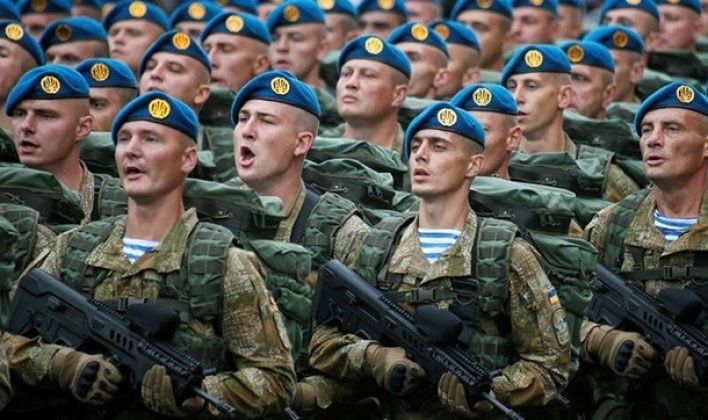
Ukrainian Personnel on Parade
U.S. Army Secretary Dan Driscoll has informed Congress that the U.S. Armed Forces are actively adapting to lessons from Russian-Ukrainian War, stressing that the way forces in the theatre have responded to the conflict has resulted in a fundamental transformation of how war is waged. “They have fundamentally altered how humans engage in conflict,” Driscoll told lawmakers regarding the Ukrainian Armed Forces in particular: “They have done an absolutely amazing job of innovating. And I am publicly on record saying we are learning a lot from them, and we are changing to a lot of the lessons that they have taught us.”
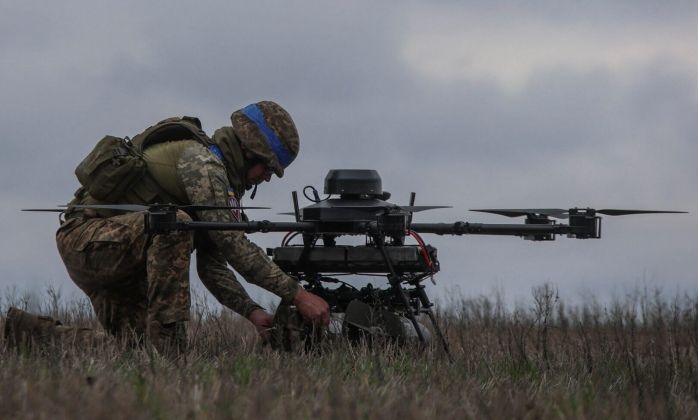
Elaborating on how the U.S. Armed Forces have learned from Ukraine, Secretary Driscoll stated that he had personally traveled to the country and spent considerable time with the Ukrainian military leadership. He stressed that the exchange of knowledge was not happening through secondhand reporting, but rather primarily through direct engagement at the most senior levels. His statement that the United States Armed Forces are actively changing doctrine and practices based on observations of a foreign force is near unprecedented, and reflects statements made by analysts over the past for years that studies of the conflict are having a transformational impact on how forces across the world plan to wage war. One of the most notable examples is that Ukraine has far surpassed the United States in its mass battlefield employment of unmanned aerial systems, as well as in its development o counter-drone defences.
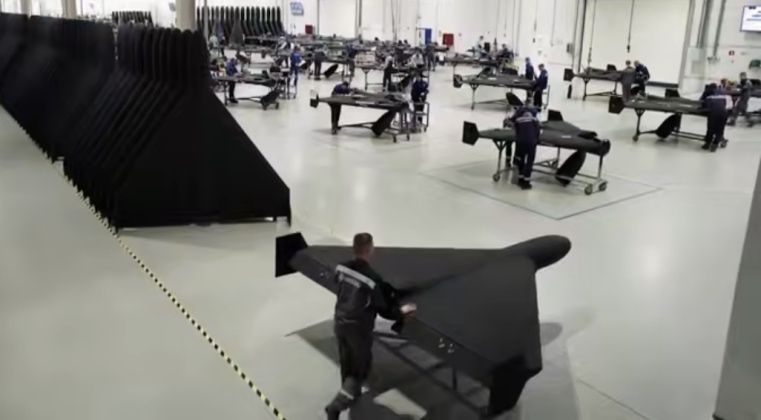
Secretary Driscoll’s statement closely follows a statement by former Commander-in-Chief of the Ukrainian Armed Forces Valeri Zaluzhnyi that: “The war in Ukraine has long ceased to be only a Ukrainian story. It has become a laboratory of the future.” Speaking at Chatham House on February 23, Zaluzhnyi referred to the frontlines as having turned into a 25 kilometre-deep "robotic kill zone" where robots conduct assaults and take live prisoners. A soldier's survival no longer depends on training, he observed, stressing that the battlefield is controlled by robots in automatic mode. "It is simply impossible to quickly replace such a resource on the battlefield," he stated regarding trained personnel. Regarding how technological change had transformed naval warfare in the Black Sea, he observed: “There is no particular difference in how many frigates, corvettes, submarines you have." Ukraine's single use attack drones negated all of it, he claimed, contesting control of the water body.
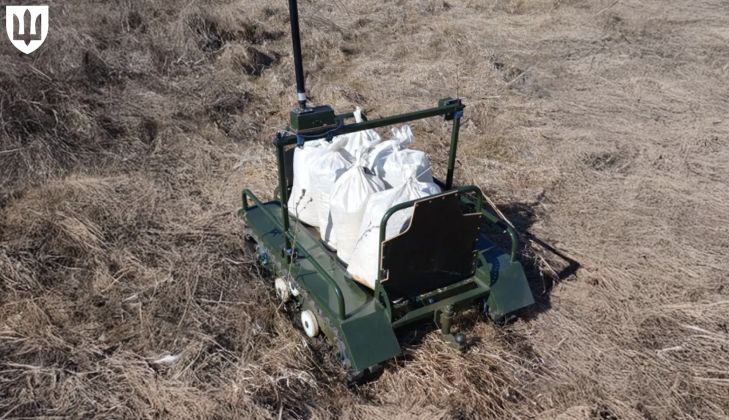
Earlier in February it was revealed that Ukrainian ground units were increasingly shifting away from traditional infantry warfare towards a more “technology driven” form of warfare, relying on attack drones, robotic logistic systems, and other unmanned assets to minimise the need for personnel on the frontlines. Taking the Ukrainian Army 28th Mechanised Brigade as an example, ground drones were handling 70 percent of frontline logistics by February 26, delivering unmanned aircraft, ammunition, and even hand warmers to isolated drone pilot stations. Air delivery of supplies were also relied on, especially for remote foxhole positions that would be compromised by track marks left by robots in the snow. The brigade’s commander Colonel Anatolii Kulykivskyi observed at the time: “Modern war requires moving away from infantry warfare and infantry positions. This is still a war of technologies,” with the shift to drone and robotic systems representing a major change. The use of unmanned systems has helped Ukraine handle its tremendous personnel shortages that are in large part the result of the extreme casualties its forces have suffered. The very extensive deployment of Western active duty and contractor personnel on the ground in the Ukrainian theatre has allowed Western forces to gain critical experience with new ways of waging war.
