
U.S. Air Force Receives First Ever Unmanned Fighters Years Behind China
Military Watch Magazine Editorial Staff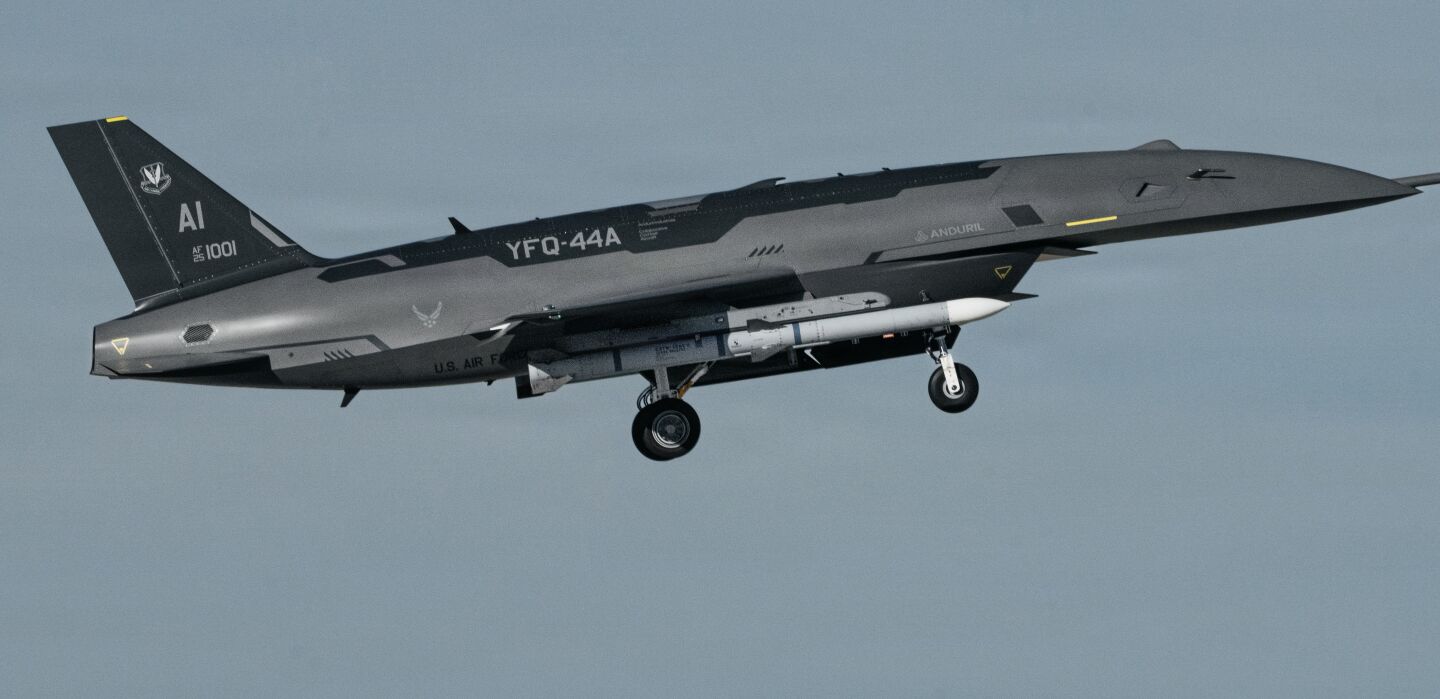
Anduril FQ-44 Fury Unmanned Fighter
The United States Air Force has received its first two unmanned fighter aircraft, marking a major milestone in the service’s effort to introduce semi-autonomous combat aircraft into operational units. The General Atomics FQ-42 Vengeance and Anduril FQ-44 Fury have arrived at Creech Air Force Base in Nevada, where Air Combat Command will conduct operational experimentation to determine how the aircraft can be employed alongside crewed fighters. The deliveries represent the transition of the Collaborative Combat Aircraft (CCA) program from predominantly industry-led development and flight testing towards direct experimentation by operational Air Force personnel.
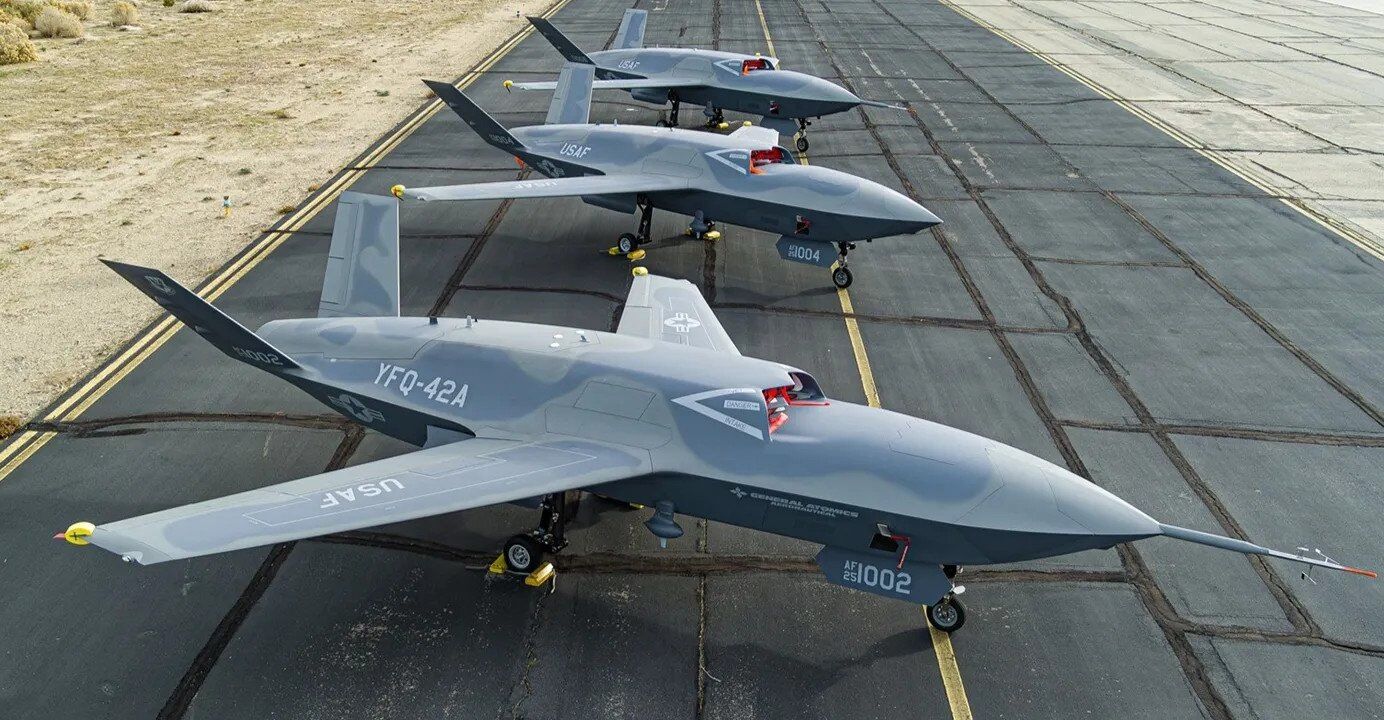
Commenting on the delivery, Secretary of the Air Force Troy Meink observed: “Putting CCA [unmanned Collaborative Combat Aircraft] in the hands of Airmen is how we build the operational future of this program,” said . He added that the delivery of the Fury and Vengeance demonstrated the ability to move rapidly towards fielding “cost-effective combat power to the force.” Air Force Chief of Staff General Ken Wilsbach similarly stated that the service was “thrilled to welcome Fury and Vengeance to the experimental operational unit.” The Air Force has described the two aircraft as intended to operate in conjunction with manned combat aircraft rather than as conventional remotely piloted drones.
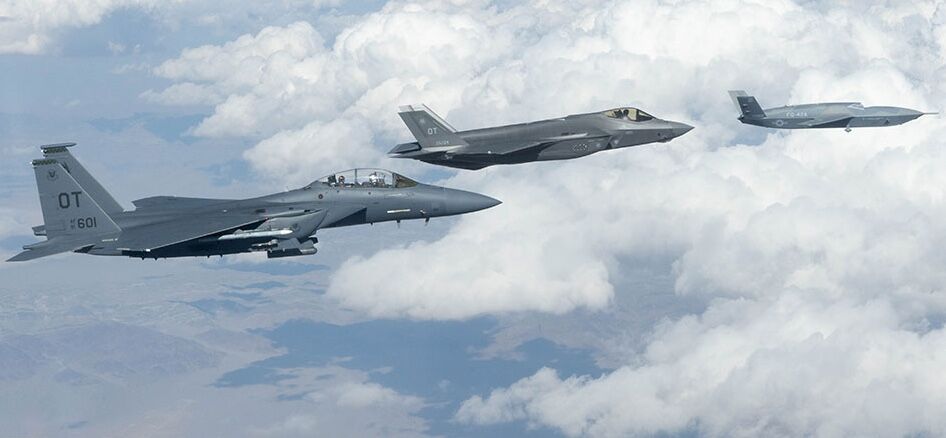
The newly delivered fighters will initially be used to establish how unmanned combat aircraft should be operated, maintained and integrated into the Air Force’s combat formations. The program is intended to fundamentally alter the economics and composition of American tactical air power. Rather than placing a human pilot in every aircraft, Collaborative Combat Aircraft are being designed to provide additional sensors, weapons, electronic warfare capabilities and other functions while operating under increasingly sophisticated autonomous mission-management systems. The aircraft are not intended to operate entirely independently of human decision-making, with the Air Force describing them as semi-autonomous, with autonomy software being developed to allow them to perform complex missions and cooperate with crewed aircraft while remaining part of a wider human-machine formation.
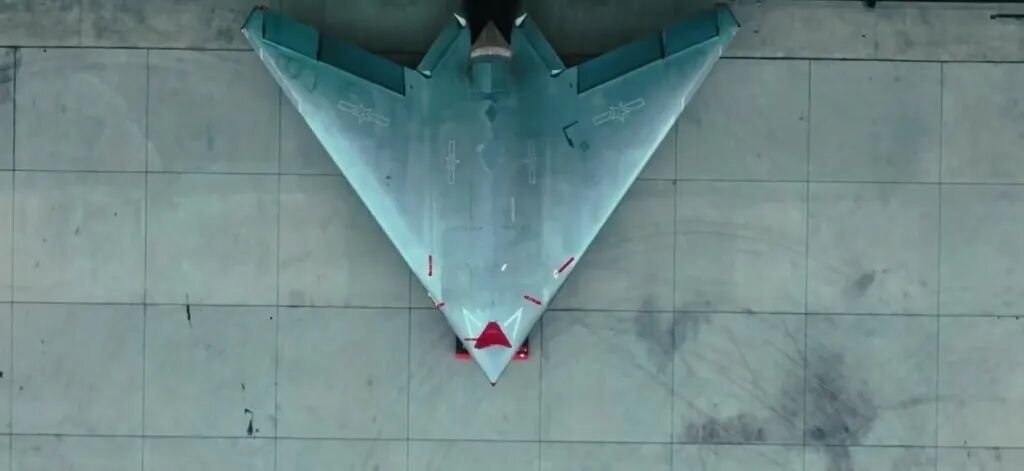
The United States has remained several years behind China in integrating unmanned aircraft into frontline service, with delays operationalising unmanned fighters being in line with broader trends. One of the most iconic Chinese unmanned fighter types to have entered service is the GJ-11, which was confirmed to be operational in 2019, and saw its first known deployment in October 2025 when a squadron was deployed at Shigatse Air Base in Tibet. Footage from Chinese state media outlet CCTV released in 2022 indicated that the aircraft may be intended to be commanded by twin seat J-20 fighters for some operations.
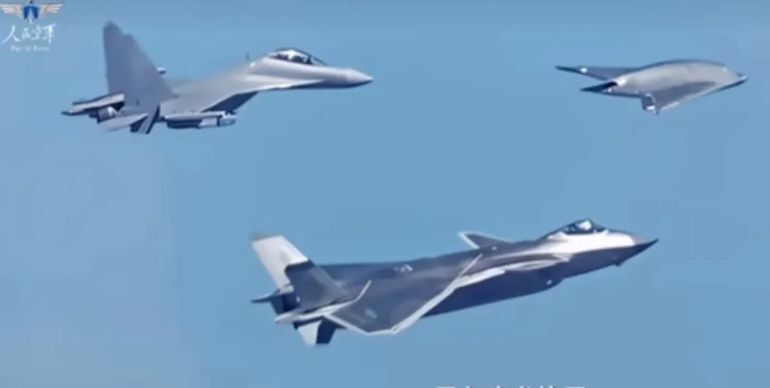
Networking with unmanned fighters and other ‘wingman’ aircraft is considered a key requirement for ‘5+ generation’ and sixth generation fighters. Countries such as France which are unable to develop fifth generation fighters have also emphasised integrating unmanned fighters with fourth generation manned fighters. While China continues to lead the world by a margin of several years in operationalising the world’s first sixth generation fighter aircraft, the balance of power in the air over the Pacific will also be heavily shaped by the capabilities of the unmanned semi-autonomous ‘wingmen’ operating alongside manned fighter units.
