
Ukraine Rapidly Robotising Frontline Combat Operations to Compensate for Severe Personnel Shortages
Military Watch Magazine Editorial Staff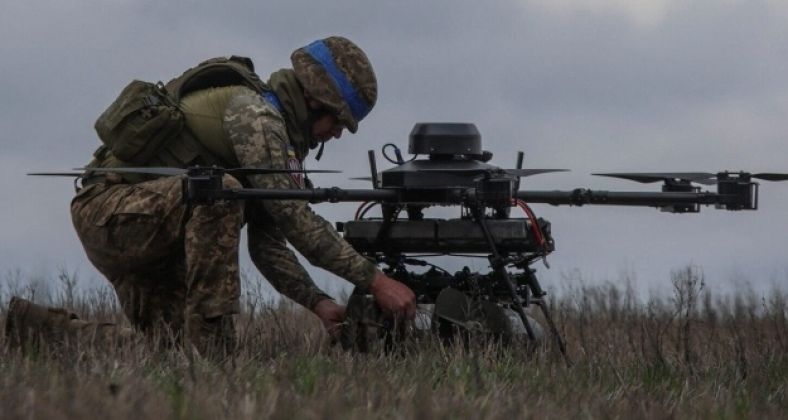
Ukraian Quadcopter Drone Supply Delivery
The Ukrainian Armed Forces have significantly accelerated the deployment of unmanned ground vehicles (UGVs) across the front line, as the country seeks to reduce infantry casualties and compensate for increasingly severe manpower shortages by transferring an increasing number of battlefield tasks from soldiers to robotic systems. The expansion reflects a broader transformation in modern warfare, with Ukraine emerging as one of the world's leading users of combat robotics after more than four years of high-intensity conflict with Russia. Unmanned ground vehicles are increasingly assuming roles ranging from logistics and casualty evacuation to mine clearance, reconnaissance and direct combat.
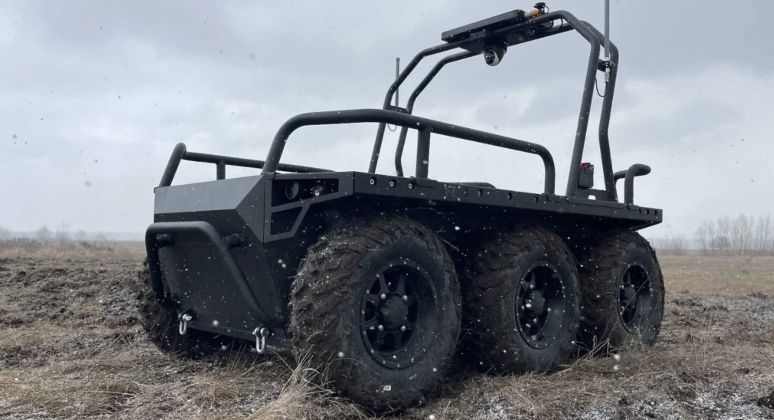
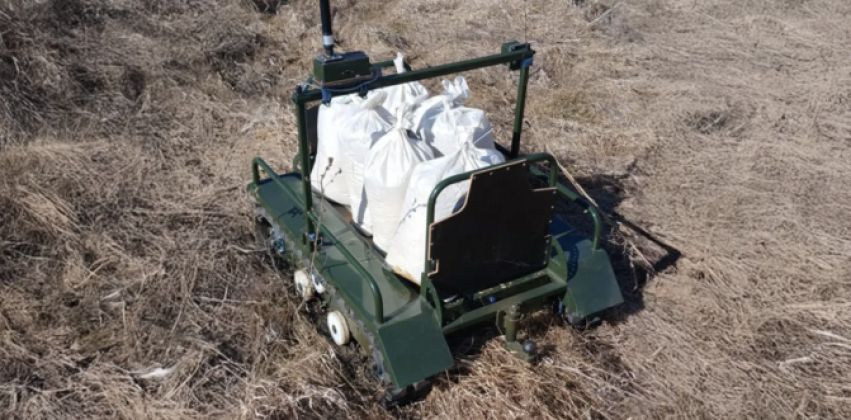
The number of domestically developed robotic systems being approved for frontline service by the Ukrainian Defence Ministry is growing rapidly, as the country’s defence sector has shifted from producing relatively simple commercial drone adaptations to increasingly sophisticated military systems specifically designed for prolonged frontline operations. Government officials have repeatedly stated that expanding robotic capabilities has become one of the country's highest defence priorities, as its personnel crisis has continued to worsen. A central objective of the program is to minimise the exposure of personnel to Russian artillery, drones and precision strikes. Small tracked and wheeled unmanned vehicles are increasingly being employed to transport ammunition, food, fuel and water to frontline positions that would otherwise require soldiers to travel through areas under constant observation by Russian reconnaissance drones.
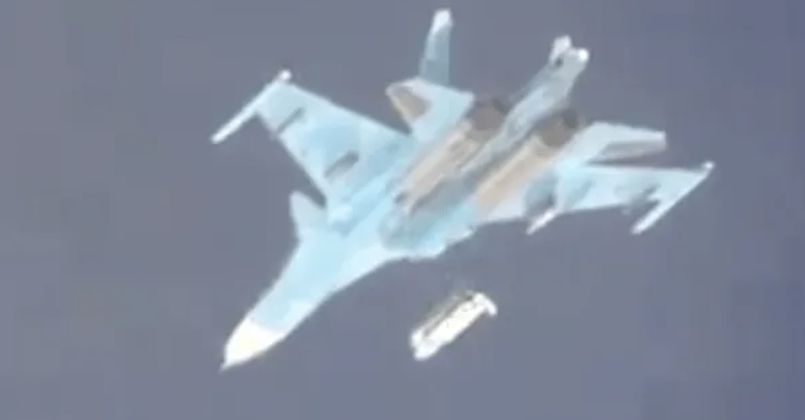
Alongside support for logistics and medical evacuation, combat roles are also expanding. A number of Ukrainian platforms have been fitted with remotely operated machine guns, grenade launchers or anti-tank weapons intended to support infantry assaults or defend fixed positions. These systems remain relatively limited in both number and capability compared to conventional armoured fighting vehicles, but they offer advantages in situations where risking expensive armoured vehicles or trained crews would be undesirable. Development has faced significant challenges, as rough terrain, destroyed infrastructure and minefields frequently restrict mobility, while electronic warfare can still interfere with command links despite improvements in autonomous navigation. Battery endurance also limits operational range for many systems.
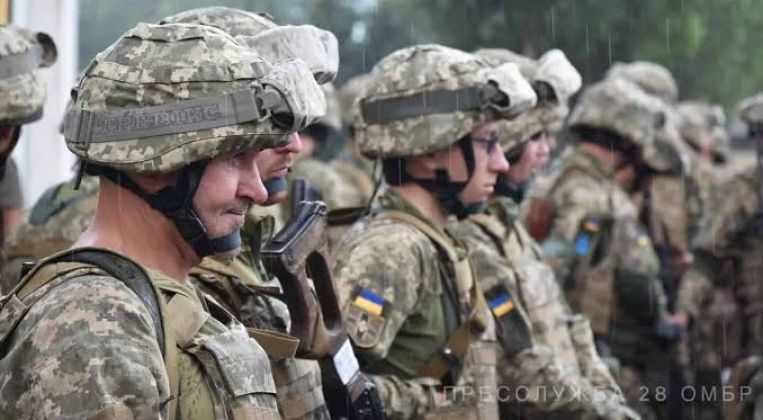
In early February it was reported that in the Ukrainian Army 28th Mechanised Brigade, robots handled 70 percent of frontline logistics, delivering unmanned aircraft, ammunition, and even hand warmers to isolated drone pilot stations. Air delivery of supplies was also relied on, especially for remote foxhole positions that would be compromised by track marks left by ground robots in the snow. Ground robots have often cost as little as $10,000. The life expectancy for personnel on high intensity frontiers has at times been as low as just four hours, according to reports from Western observers on the ground. Years of extreme losses has led the robotisation of logistics to be seen as a solution to help reduce casualty rates.
While the Ukrainian Armed Forces remain well funded, worsening personnel shortages have been cause for growing concern, with conscript units having suffered extreme casualty rates, at times approaching 80-90 percent. The Wall Street Journal was among the sources to report that the Army has relied on recruiting poor men from villages and sending them to the frontlines with just two days of training. The casualty rates seen have been a primary factor forcing desertion rates to particularly high levels, according to reports from the Financial Times among other sources. In August 2025 a digital card index from Ukraine’s Chief of Staff provided details on dead or missing personnel, including their names, details of their deaths, and personal data of their families, and showed that the Ukrainian Armed Forces have lost more than 1.7 million personnel, including both those killed and those missing, since February 2022.
