
Ukraine’s F-16 Fleet Facing Readiness Crisis Amid Intense Wartime Strain
Military Watch Magazine Editorial Staff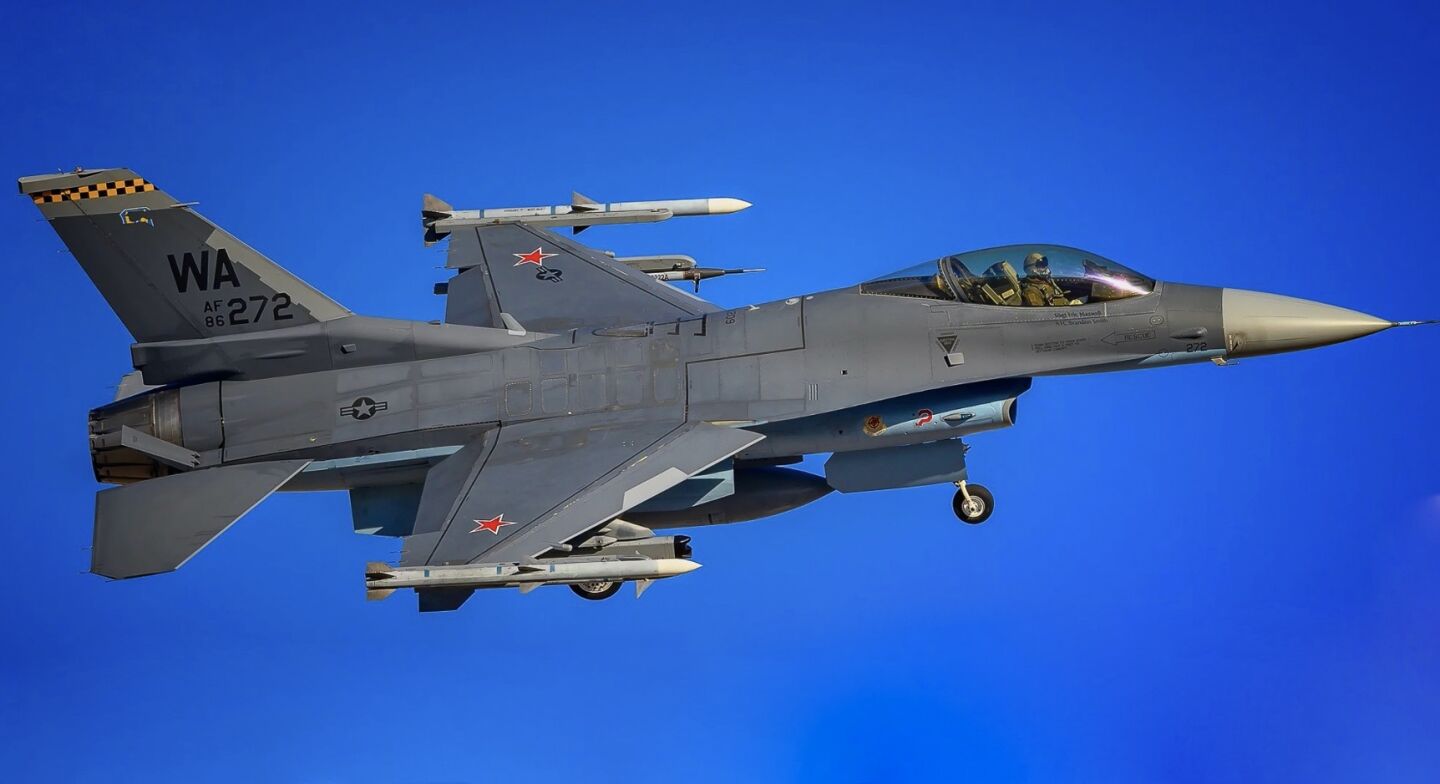
F-16 Fighter
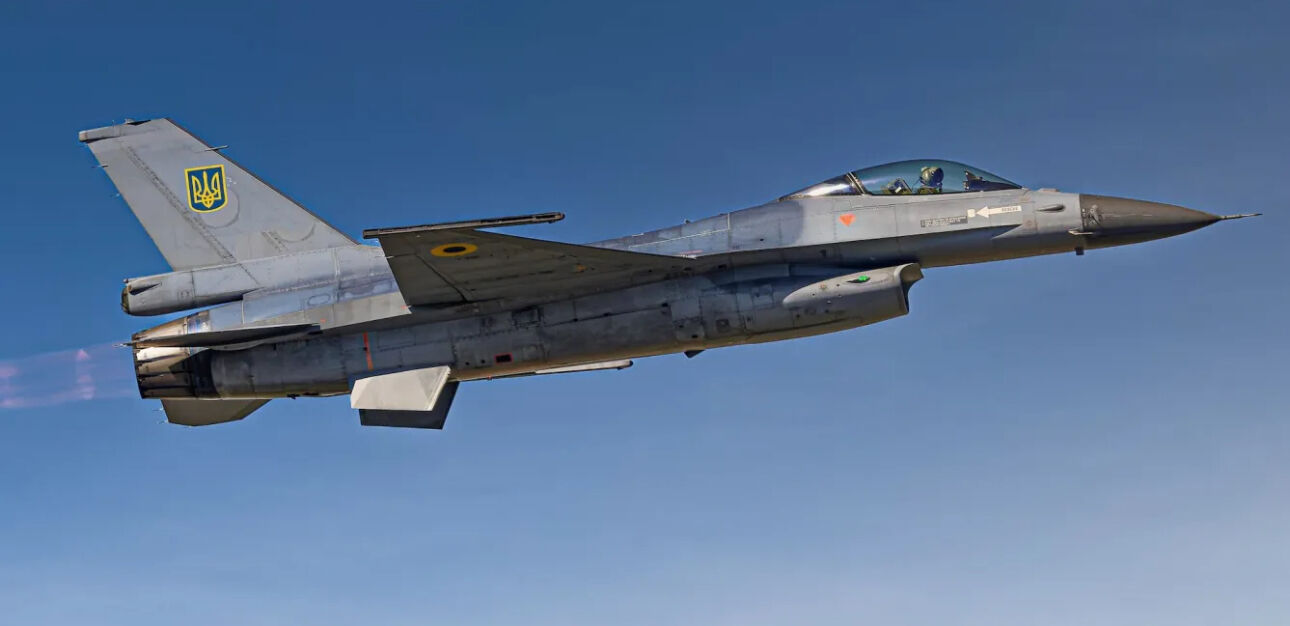
Ukraine’s F-16 fighter fleet has faced considerable strain and maintenance issues, with more than half of the aircraft now caught in lengthy maintenance cycles in Europe. Ukrainian President Volodymyr Zelensky has acknowledged that around half of the country’s F-16s have spent extended periods outside Ukraine for repairs. He discussed the problem in an interview with the Financial Times published on October 2, saying that some Ukrainian F-16s had spent so long undergoing maintenance in Europe that Ukraine had lost valuable time when the aircraft were needed for air-defence operations. He said his government wanted Western partners to transfer more maintenance work into Ukraine.
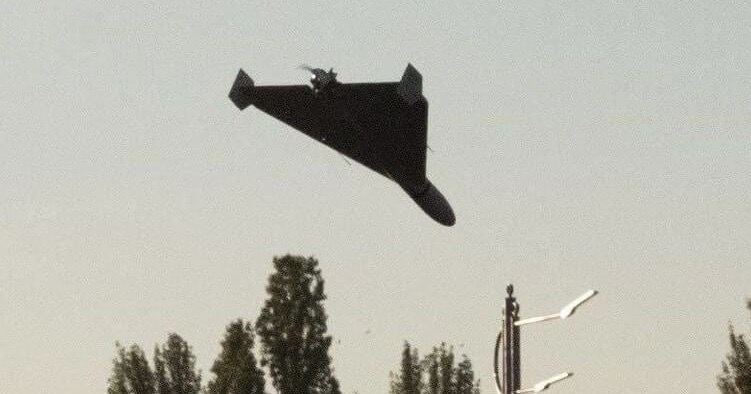
The president’s comments followed a report by The Wall Street Journal that more than half of Ukraine’s F-16 fleet was in what a Western source described as “maintenance limbo.” The source reportedly warned that, at the current rate of combat operations and maintenance, Ukraine could potentially exhaust its remaining available aircraft by the end of the year. The F-16 was developed during the Cold War as a lightweight fighter with low operational costs and minimal maintenance needs, and alongside the Swedish Gripen it is the easiest fighter type in the Western world to sustain. Nevertheless, the fighters donated to Ukraine are ageing variants donated second hand which date back in their service to the early 1980s.
Not only has the F-16 fleet’s availability rates declined considerably, but pilots were confirmed in early September to be forced to engage aerial targets using onboard cannon because of an acute shortage of air-to-air missiles. This highlighted the severe ammunition constraints facing Ukraine’s Western-supplied fighter fleet. Using the cannon against airborne targets requires the F-16 to approach much closer to its target, increasing the exposure of the Ukrainian aircraft to enemy fighters, surface-to-air missiles and other air-defence systems. The reported shortage is particularly consequential because Ukrainian F-16s have primarily been employed in air defence operations against drones and cruise missiles.
F-16s require periodic phase inspections after approximately 300 flight hours, covering systems including the engine, avionics, hydraulics and fuel system. Retired U.S. Navy Rear Admiral Mark Montgomery told The Wall Street Journal that such inspections normally take approximately two to six weeks in the United States, while the process in Belgium has reportedly taken as long as 40 weeks. Even when operational, however, Ukrainian Air Force F-16s are constrained by their ages and lack of modernisation. Although the modern F-16 Block 70/72 fighters are relatively capable ‘4+ generation’ aircraft, and many older F-16s have been brought up to similar standards under the F-16V program, Ukrainian Air Force F-16s are ageing Cold War era variants that rely on radars and broader avionics suites long since considered obsolete. Ukrainian officials have themselves repeatedly stated that their F-16s are far outmatched by frontline Russian fighter types like the Su-35, reflecting their lack of significant modernisation.
